The International Baccalaureate (IB) remains a resilient and growing presence in the U.S., with about 1,955 schools offering IB programs and nearly 300 added in the last decade. Rigorous authorization, recurring five-year reviews, and a focus on inquiry-based learning help IB schools teach critical thinking and evidence-based discussion across socioeconomic settings. Schools from elite private institutions to public charters use transparency, parent outreach and opt-outs to address local concerns while maintaining academic standards.
Despite 'America First' Politics, International Baccalaureate Schools Continue To Thrive In The U.S.
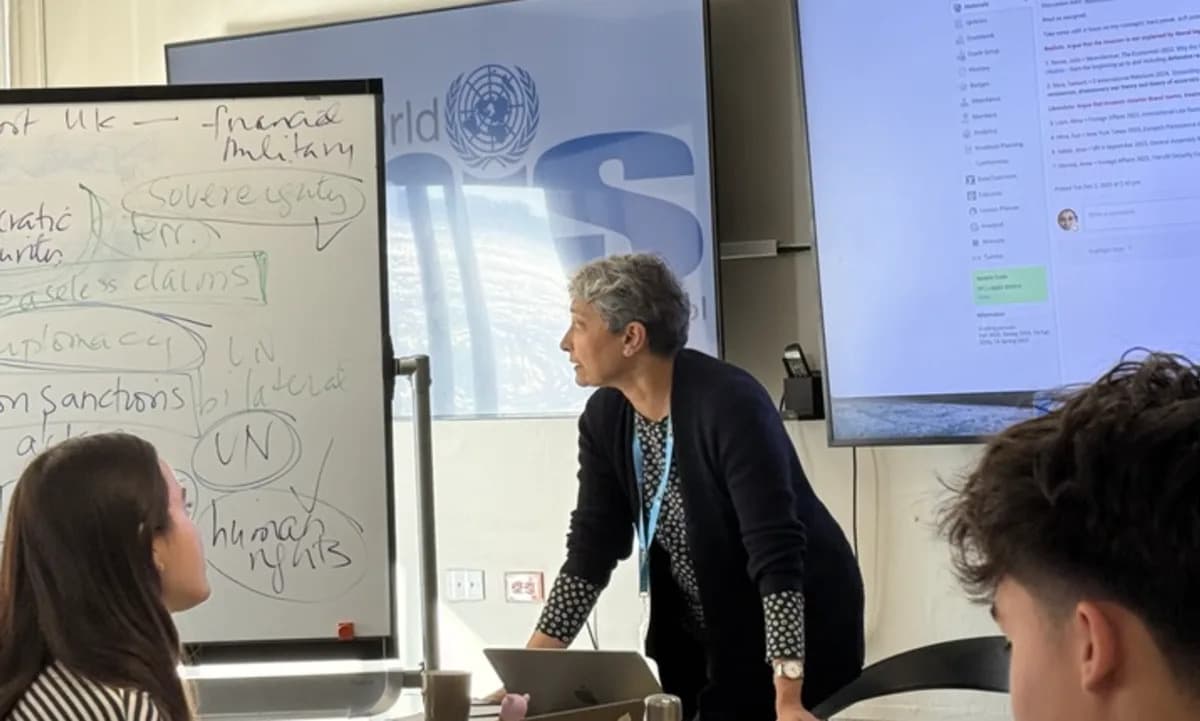
The International Baccalaureate (IB), a globally recognized education program present in more than 160 countries, has remained resilient in the United States for over half a century. Even amid the political rhetoric of an "America First" era and intensified scrutiny of school curricula, IB programs continue to operate and expand across diverse communities.

Robert Kelty, IB’s North American head of outreach, development and government relations. (International Baccalaureate)
Growth and Global Headwinds
IB enrollment in the U.S. has grown to about 1,955 schools, with nearly 300 added in the last decade — most of them before 2020. While the program has deep roots in the U.S., it has encountered setbacks elsewhere: the U.K. has announced the end of state funding for IB in state schools beginning next year, and Russia moved to ban the program after labeling the organization a "criminal organization." Still, IB officials emphasize that the program’s mission of building "internationally minded citizens who appreciate different cultures and perspectives" retains broad appeal.
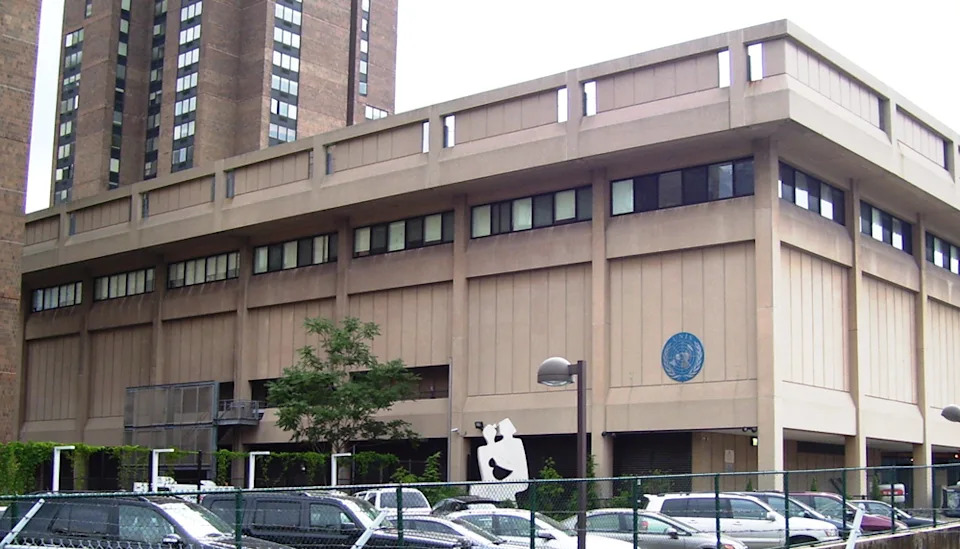
United Nations International School in Midtown Manhattan (Wikipedia)
Rigorous Standards and Teacher Training
Becoming an IB school requires an extensive authorization process that typically takes about two years and includes significant teacher training. Authorized schools are reviewed every five years to ensure they meet IB standards and maintain program quality. IB leaders say this structure—and the program’s emphasis on evidence-based inquiry and critical thinking—helps protect it from partisan attacks.

Renee Sharapov, 16, and a student at the United Nations International School (Jo Napolitano)
"What makes the IB so special is that it creates the space for students to find their voices, to learn how to research around the problems they are passionate about and want to solve—and to be able to cite their beliefs in grounded research and sources," said Robert Kelty, head of outreach, development and government relations for IB North America.
Classrooms From Manhattan To Harlem And Beyond
The IB model operates across a wide socioeconomic spectrum. At the United Nations International School in Manhattan—which has offered IB since 1965 and serves many children of U.N. staff—teachers use open-ended questions to guide students toward independent analysis of global issues. In a recent Global Politics class, students debated the ramifications of the war in Ukraine, weighing economic fallout, global trade disruptions, and the difficult question of potential escalation.
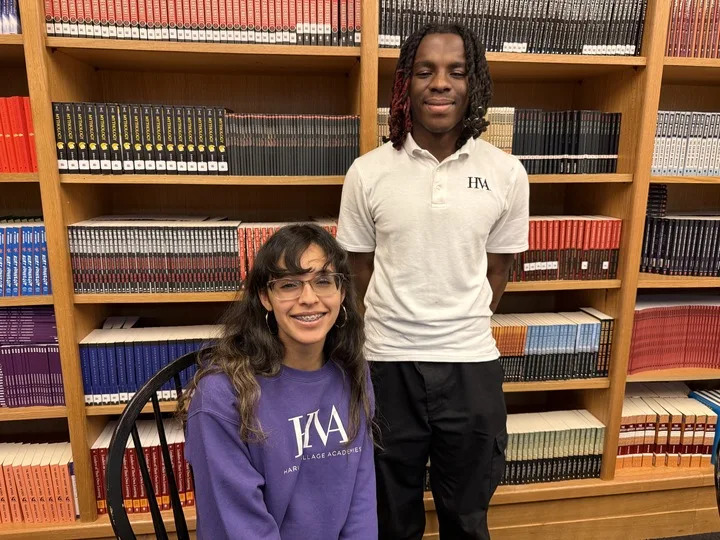
Samantha Flecha, 16, and Emmanuel James, 17, of Harlem Village Academies High. (Jo Napolitano)
In public settings, Harlem Village Academies High uses literature like Zadie Smith's White Teeth to teach narrative craft and perspective-taking. The charter school serves mostly low-income students; despite economic challenges, every graduate from the most recent class was accepted to a four-year college. Students there and elsewhere report that IB classes encourage independence and critical inquiry. "It’s as if they let go of your hand," said one junior. "They allow you to work a lot more independently."
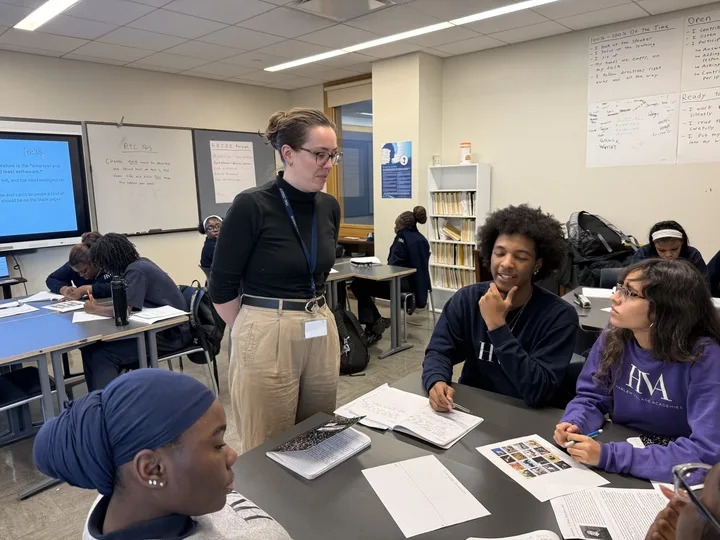
Teacher Katelyn Conroy talks with students at Harlem Village Academies High. (Jo Napolitano)
Managing Parent Concerns and Local Rules
Schools deploy multiple strategies to manage parental concerns and local political constraints. Some hold regular IB literature nights or open-campus events where parents can see coursework and ask questions. Others offer opt-outs or alternative texts when parents object. Meridian, a charter north of Austin, notes that although state guidelines have tightened around how topics like race are taught, the school adheres to the law while still delivering rigorous, evidence-based lessons.
Administrators emphasize transparency and dialogue. "We hear concerns, we meet with families, and we explain our choices," said Michael Kyles Jr., principal at Hammond High Magnet School in Louisiana, describing how his district handles objections to specific texts.
Why IB Persists
Teachers and administrators say IB endures because it trains students to evaluate evidence, weigh competing perspectives and communicate clearly—skills that appeal to families across political lines and that prepare students for college and careers. Daniel Falcone, who teaches IB Global Politics, described the approach as "dispassionate scholarship": focusing on who has power, how it is used and what the evidence shows, rather than on partisan labels.
Support for IB in the U.S. remains broad and pragmatic: whether in elite private schools or resource-constrained public charters, educators say the program equips students with intellectual tools to debate controversial issues respectfully and rigorously.
Note: Numbers and program details reflect reporting current as of Jan. 12.
Help us improve.