Educators warn that recent intensified ICE operations—marked by flash‑bangs, mass arrests and military deployments—have endangered students and families near schools. They cite rising absenteeism, increased anxiety and weakened community cohesion, and point to Plyler v. Doe (1982) as legal grounding for protecting access to public education. The authors call on policymakers to reinstate and expand bans on immigration enforcement in schools, hospitals and houses of worship, to monitor impacts with attendance and wellness data, and to support educators and community efforts that ensure safe passage for students.
Educators Urge Schools To Be Safe Havens as ICE Raids Escalate

Public educators bear a profound responsibility to protect the young people in their care. Under the doctrine of in loco parentis—acting in place of a parent—teachers and principals are expected to ensure students' safety, welfare and ability to learn.
Raids Have Put Students And Families At Risk
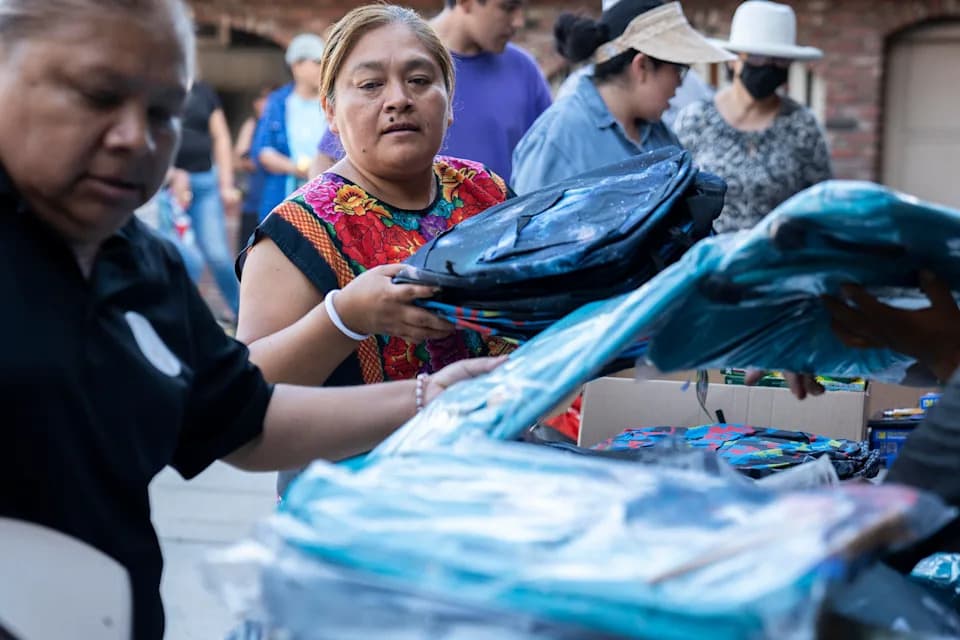
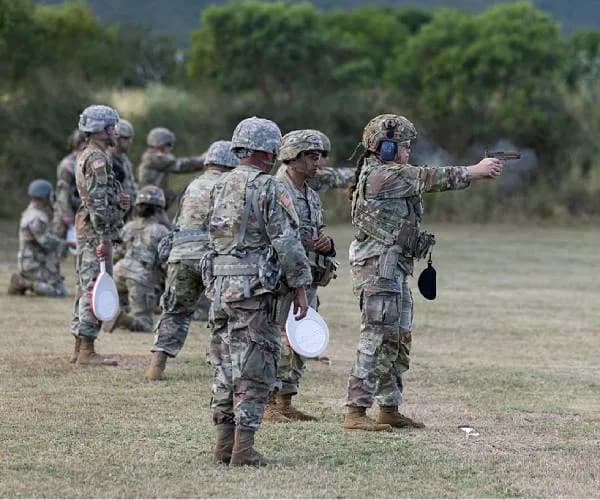
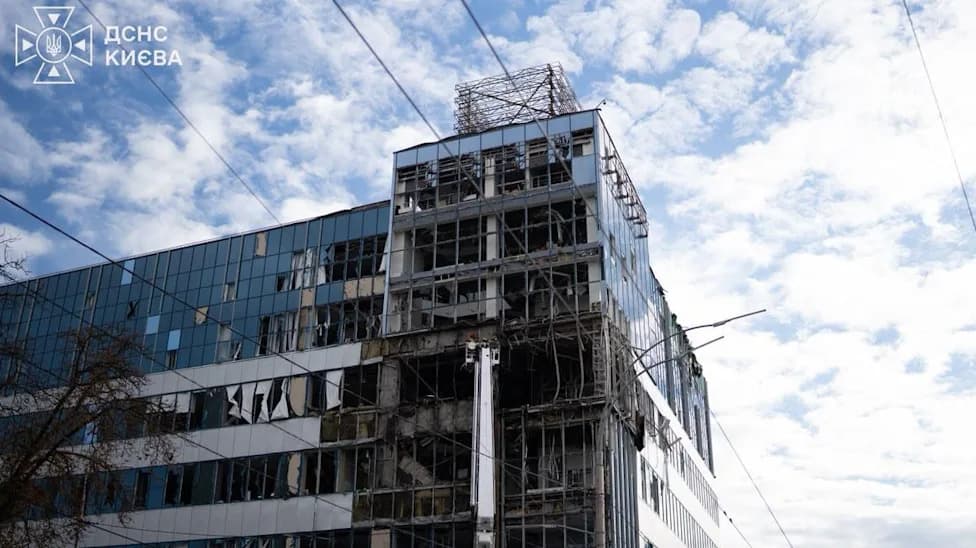
In recent months, Immigration and Customs Enforcement operations in cities including Los Angeles, Chicago, Portland, New York City, San Francisco and Denver have intensified. Reports describe flash‑bang grenades, mass arrests and the deployment of National Guard members and Marines. Masked agents have apprehended parents while picking up children from school, and in some cases students themselves have been detained.
Why Schools Must Be Protected
These enforcement tactics threaten the core purpose of public schools: to be places of safety, learning, belonging and hope. The consequences are measurable and immediate—rising student absenteeism, heightened anxiety among students and families, and a deterioration of community cohesion.
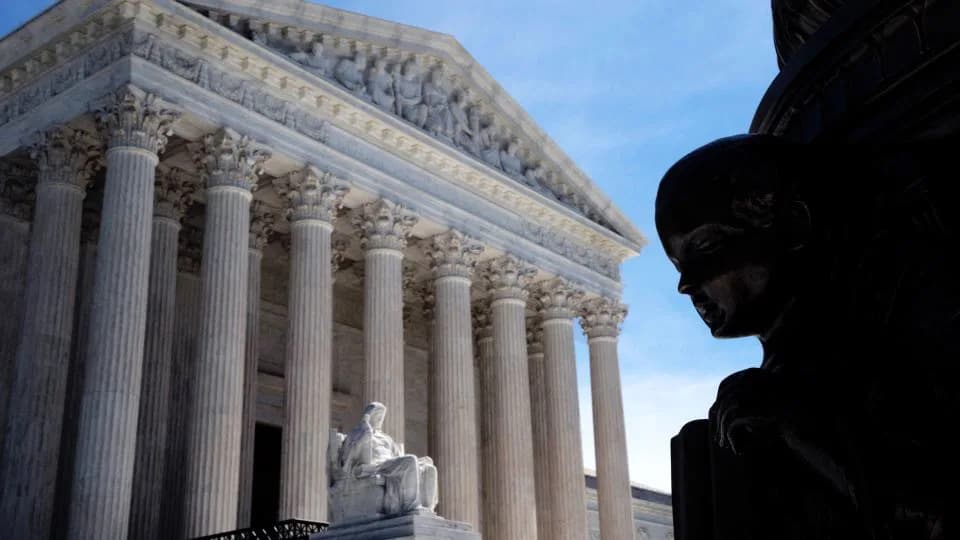
Legal Context: The U.S. Supreme Court has repeatedly affirmed that all children are entitled to a public education. In Plyler v. Doe (1982), the Court held that states may not bar children of undocumented immigrants from attending public schools.
Actions Schools And Policymakers Should Take
To protect students and maintain schools as safe spaces, we urge the following:
- Reinstate and Expand Protected Zones: Restore and broaden prohibitions on immigration enforcement in schools, hospitals and houses of worship so families can access essential services without fear.
- Monitor Impacts Systematically: Use attendance records, student wellness metrics and targeted surveys to assess the effects of enforcement and to guide district- and state-level policies.
- Support Educators and Safe Passage: Back school staff who take reasonable steps to ensure students' safe arrival and departure from school and foster community programs that provide safe routes and supervision.
- Promote Civic Engagement: Encourage community advocacy and policy engagement to defend students' rights and well-being.
Educators Stand United
As educators, we have seen colleagues put themselves at risk—sometimes sacrificing their own safety—to shield children during crises. Today, many are similarly risking injury or arrest in efforts to protect students from immigration enforcement conducted near schools. We stand together in defense of democratic values, human dignity and the public institution of education. Our students deserve nothing less.
Authors: Alberto Carvalho, Superintendent, Los Angeles Unified School District; Alex Marrero, Superintendent, Denver Public Schools; Pedro Noguera, Dean, USC Rossier School of Education.
Help us improve.