The federal Semiquincentennial Commission (America 250) and a Trump-backed group, Freedom 250, are separately organizing events for America’s 250th birthday. America 250 emphasizes community programs and traditional observances, while Freedom 250 plans large, TV-focused spectacles featuring the president. The two sides reached a funding compromise—$50 million for America 250 and $100 million for Freedom 250—and have largely avoided open conflict. Public reaction to the celebrations will likely be shaped by views of President Trump.
How Two Rival Teams Are Racing to Stage America’s 250th Birthday — and What It Means
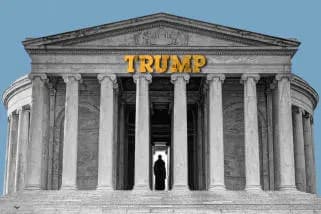
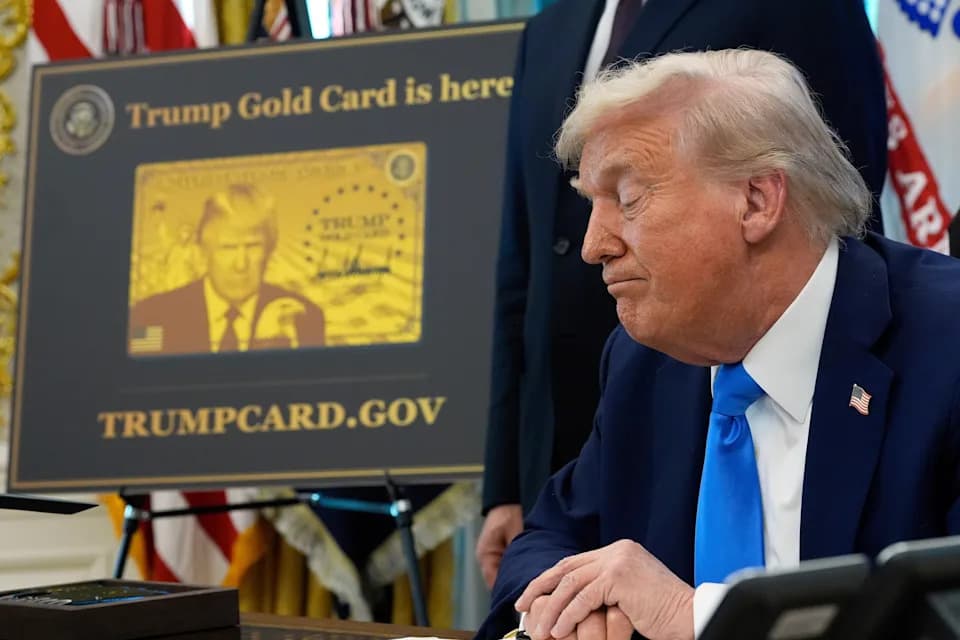
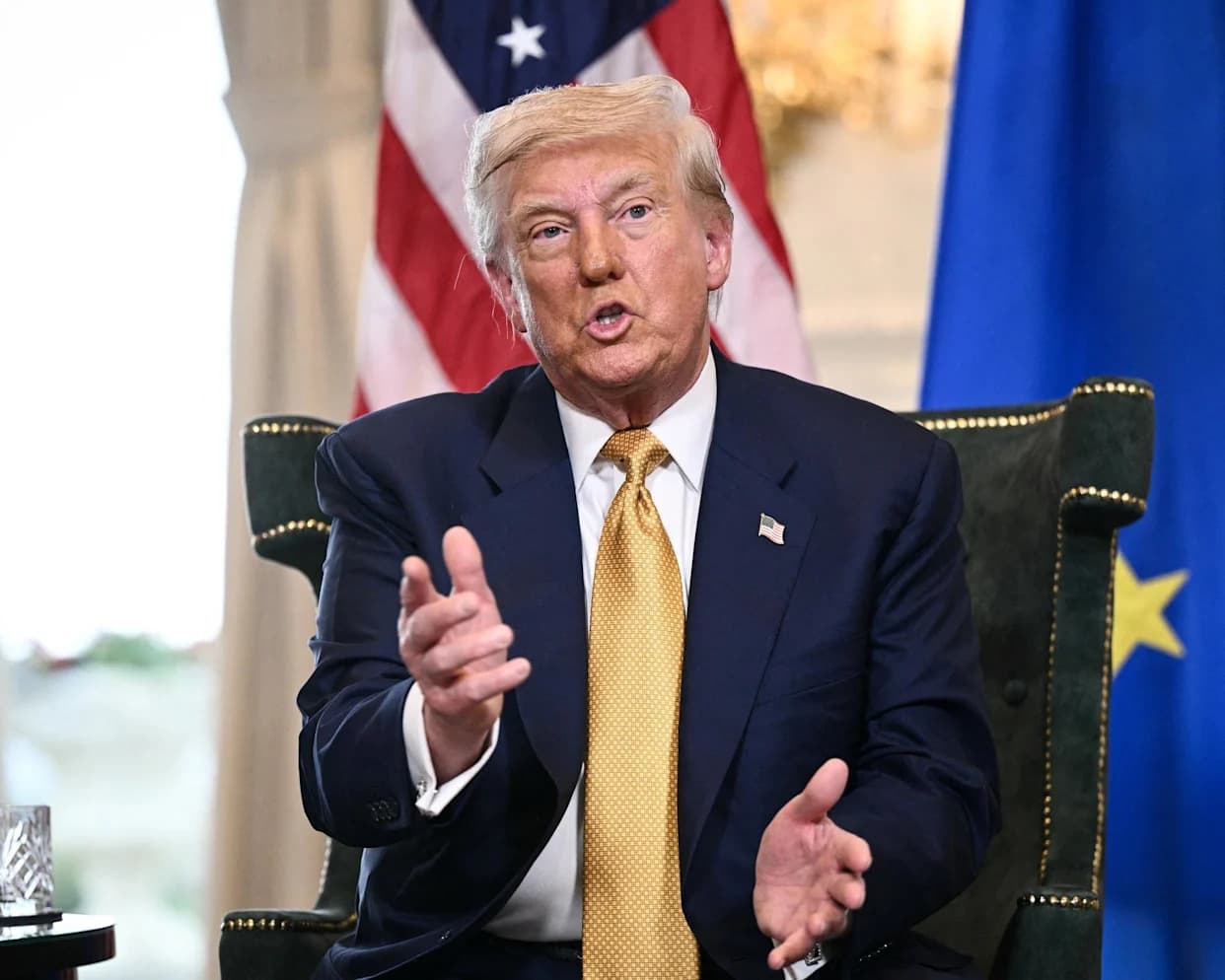
President Donald Trump, amid a string of high-profile interventions in cultural and economic institutions, considered bringing the United States Semiquincentennial Commission— the official body charged with coordinating the nation’s 250th birthday observances—under closer White House influence. Instead of a full takeover, the administration launched a separate, Trump-aligned organization called Freedom 250, setting up two parallel efforts to mark the semiquincentennial this summer.
Two Camps, Two Approaches
The bipartisan Semiquincentennial Commission and its public-facing program, America 250, have promoted community-centered activities: partnerships at sporting events, the Times Square New Year’s Eve ball drop, and national programs such as the student competition America’s Field Trip. The commission is led by established political figures and positions itself as a broadly inclusive, nonpartisan organizer.
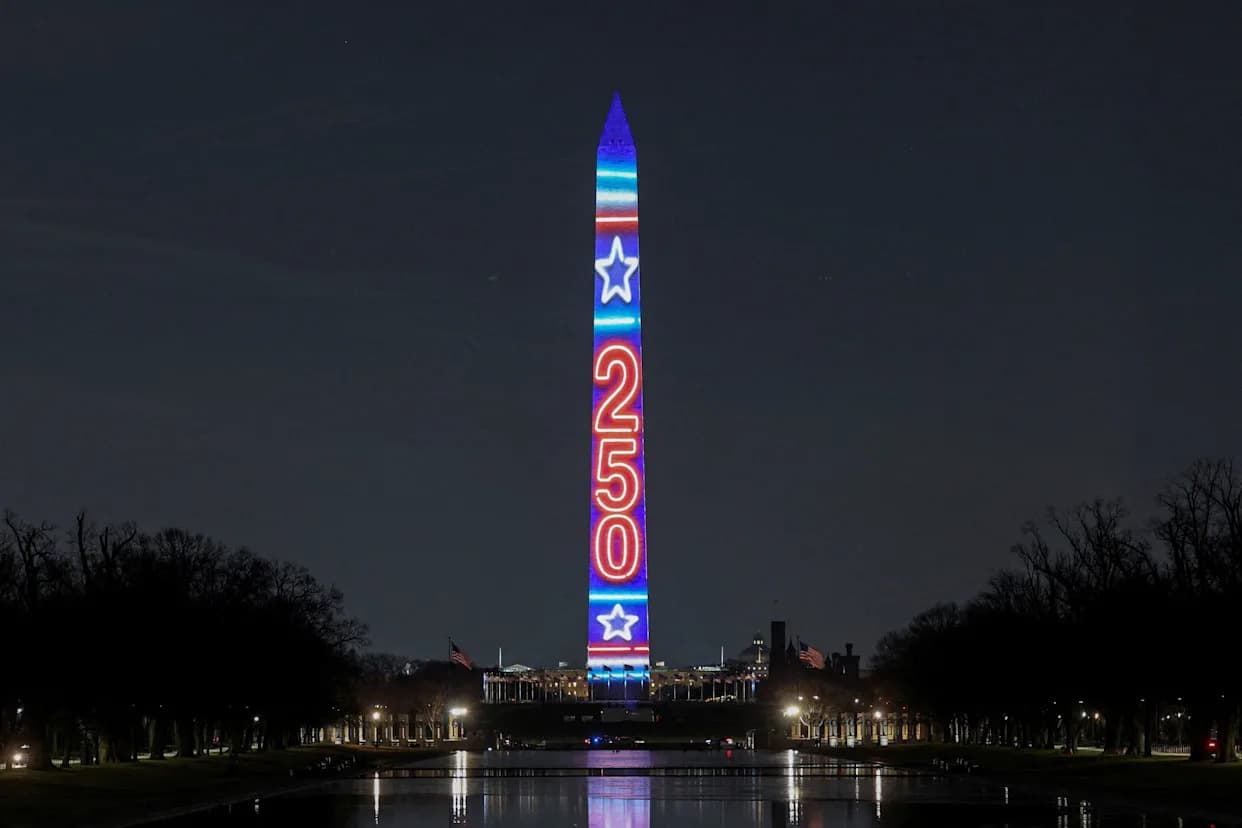
By contrast, Freedom 250 is focused on large, television-friendly spectacles tied to President Trump. It staged last month’s lighting of the Washington Monument and plans summer events including a Great American State Fair, a prayer gathering on the National Mall, a mixed martial-arts-style exhibition at the White House, and a proposal to begin building a triumphal arch.
Conflict, Compromise and Management
Tensions simmered last year. A newly appointed Republican executive director attempted to reshape America 250 before congressional procedures checked that effort. In September the commission dismissed that executive director after a dispute about social-media content and the official account’s messaging. Rosie Rios, the commission’s chair and a former U.S. Treasurer, has been credited by some participants with steadying operations and bringing Trump allies into the commission’s contractor pool.
Under Rios and other leaders, America 250 also narrowed some programming that had emphasized historical injustices; critics say references to the mistreatment of Native Americans, African Americans, and women were reduced. Supporters say the shift reflects a desire to emphasize celebratory, unifying events.
Money Matters
The partisan tax-and-spending bill passed last summer allocated $150 million for semiquincentennial celebrations to be disbursed by the Department of the Interior. After negotiations, leaders from both camps reached a compromise allocating those federal funds roughly as follows: $50 million for America 250 and $100 million for Freedom 250. Both sides report a working relationship on logistics and funding despite broader political divisions.
“The anniversary belongs to every American,” said Freedom 250 spokeswoman Rachel Reisner, framing the events as a unifying celebration of freedom and hard work. America 250 spokeswoman Emily Kaplan emphasized the value of meaningful opportunities for public engagement.
What To Expect This Summer
On the ground, veteran political operators from both sides appear to be coordinating where necessary. But the public reception of the semiquincentennial will likely be filtered through Americans’ views of President Trump: many of Freedom 250’s high-profile, D.C.-area events are intended to be TV-friendly and politically salient as campaign seasons unfold.
How the semiquincentennial is remembered may depend less on parade floats and fireworks than on whether the celebrations are seen as inclusive national moments or as partisan spectacles tied to the sitting president.
Context: The federal body that ran the nation’s bicentennial in 1976 faced criticism for poor morale and organizational problems, though a House inquiry at the time did not substantiate charges of commercial manipulation.
Help us improve.