President Trump’s 2025 renaming campaign — from the Gulf of Mexico and Denali to federal labs, the U.S. Institute of Peace and the Kennedy Center — combined personal branding with controversial executive action. Barring Associated Press reporters and reported Pentagon rebranding plans intensified concerns about authoritarian overreach and executive overreach without congressional approval. Critics and large protests rallied under the nonpartisan slogan “No kings!” to defend democratic norms and cultural sensitivity.
Trump’s 2025 Renaming Spree: Vanity, Overreach and the ‘No Kings!’ Backlash
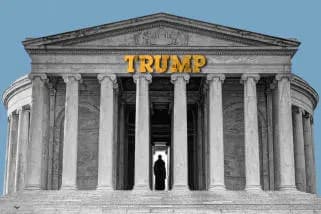
Donald Trump’s narcissistic name changes are the best proof yet he thinks he’s king
President Donald Trump’s 2025 campaign to rename landmarks, institutions and agencies — sometimes after himself — touched off a wave of criticism, legal questions and large public protests under the slogan “No kings!” What began with the renaming of the Gulf of Mexico quickly expanded to cultural institutions, federal labs, and military installations, prompting accusations that the administration was privileging personal branding over democratic norms.
What Happened
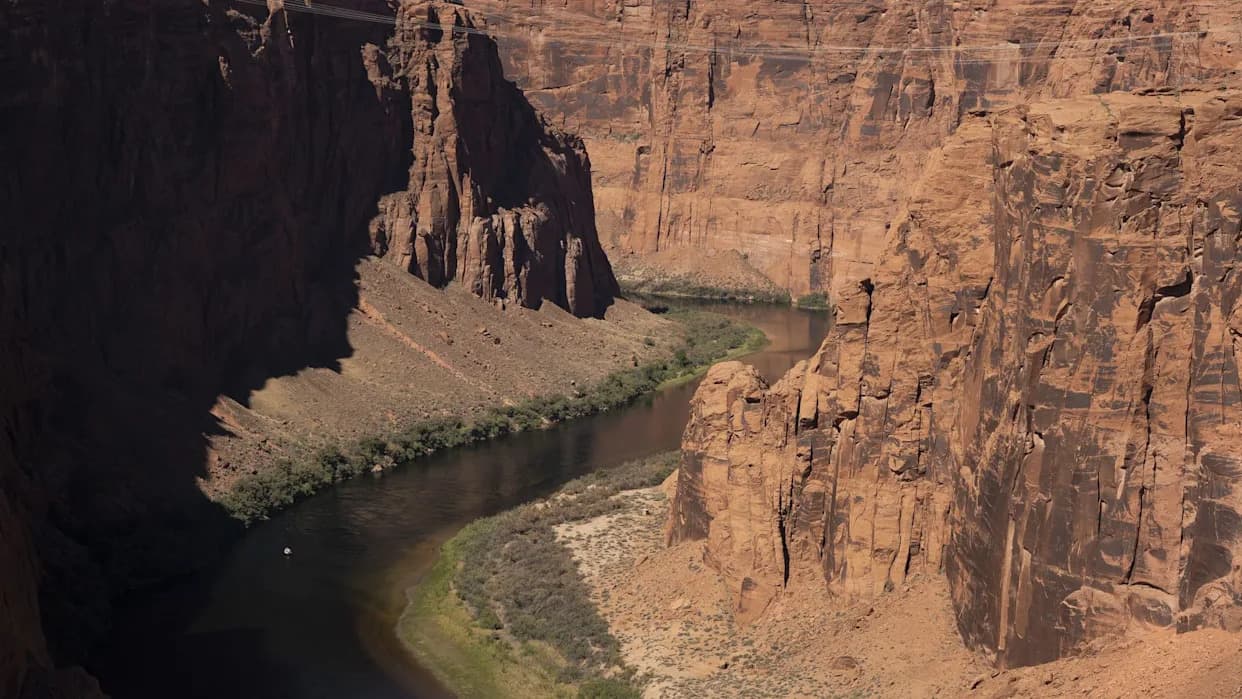
On Jan. 20, President Trump announced in his inaugural address that he would rename the Gulf of Mexico and within hours signed an executive order to call it the “Gulf of America.” The same order reversed a prior restoration of Alaska’s highest summit, changing Denali back to Mount McKinley — a move that many Alaska Native leaders and advocates called an affront to Indigenous heritage.
When the Associated Press continued to use the name “Gulf of Mexico,” the White House barred AP journalists from press briefings. Critics said that the action illustrated a rapid slide from symbolic renaming into coercive treatment of the press.
Other High-Profile Renamings
- Military Bases: After Congress voted to remove Confederate names from U.S. military bases and overrode the president’s veto, the White House and Defense Department substituted other historical figures (Benning, Bragg, Ford, Hood, etc.) as the bases’ namesakes.
- Department Rebrand: The administration and the Pentagon promoted what has been described as a proposal to rebrand the Department of Defense as the "Department of War," including a widely reported $2 billion campaign — a change that has not been approved by Congress.
- U.S. Institute Of Peace: The institute was reportedly renamed the Donald J. Trump Institute of Peace.
- National Renewable Energy Laboratory: The Colorado lab was retitled the National Lab of the Rockies, drawing criticism from energy experts and advocates.
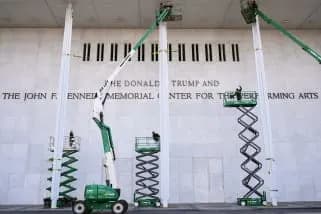
- Kennedy Center: After President Trump became board chair, the center’s board voted to rename the John F. Kennedy Center for the Performing Arts to "The Donald J. Trump and The John F. Kennedy Memorial Center for the Performing Arts," placing the sitting president’s name before that of the assassinated president.
- Washington NFL Team And Stadium: The president publicly urged the Washington team to revert to the former "Redskins" name and was reported to want the new stadium named after him; the White House press secretary declined to dispute the report, saying a Trump stadium “would surely be a beautiful name.”
“It is beyond comprehension,” veteran broadcaster Maria Shriver wrote on social media. “That this sitting president has sought to rename this great memorial dedicated to President Kennedy. It is beyond wild that he would think adding his name in front of President Kennedy’s name is acceptable. It is not.”
Public Reaction And Democratic Concerns
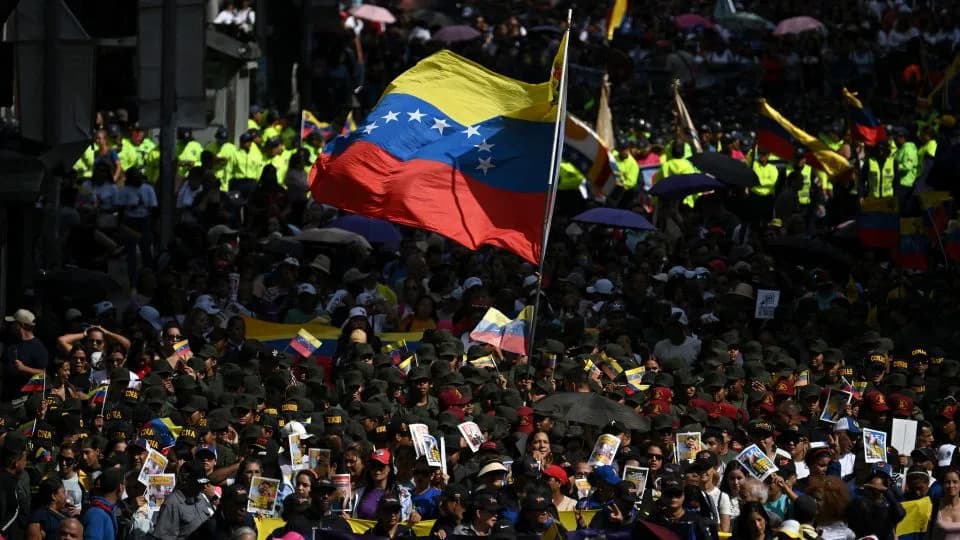
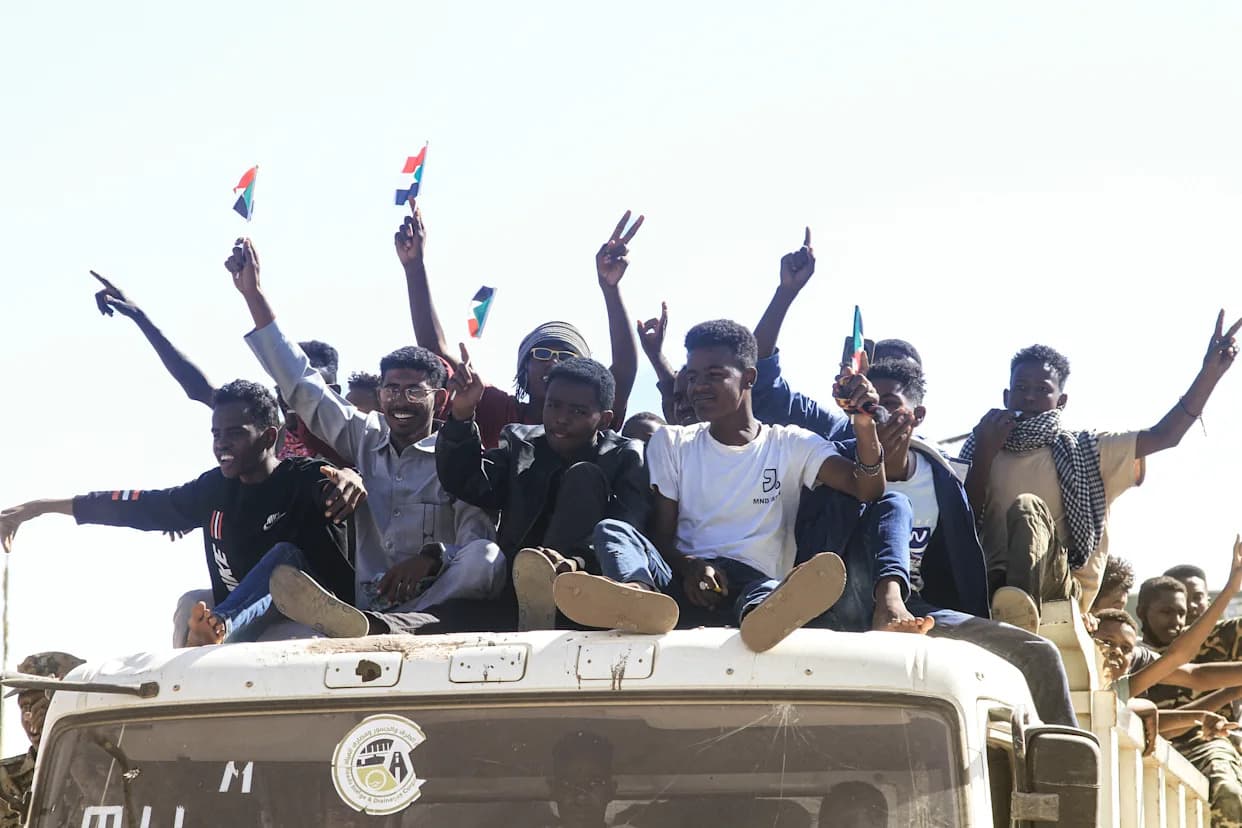
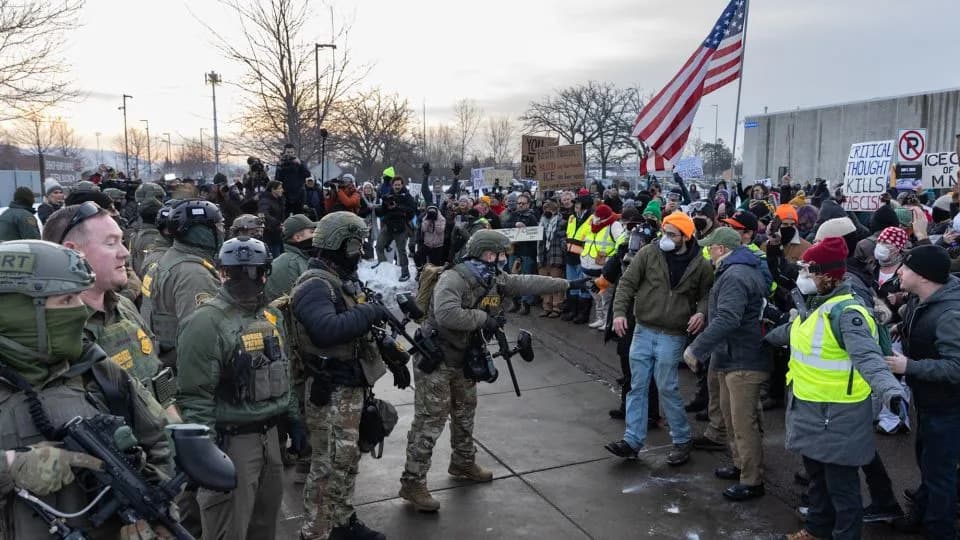
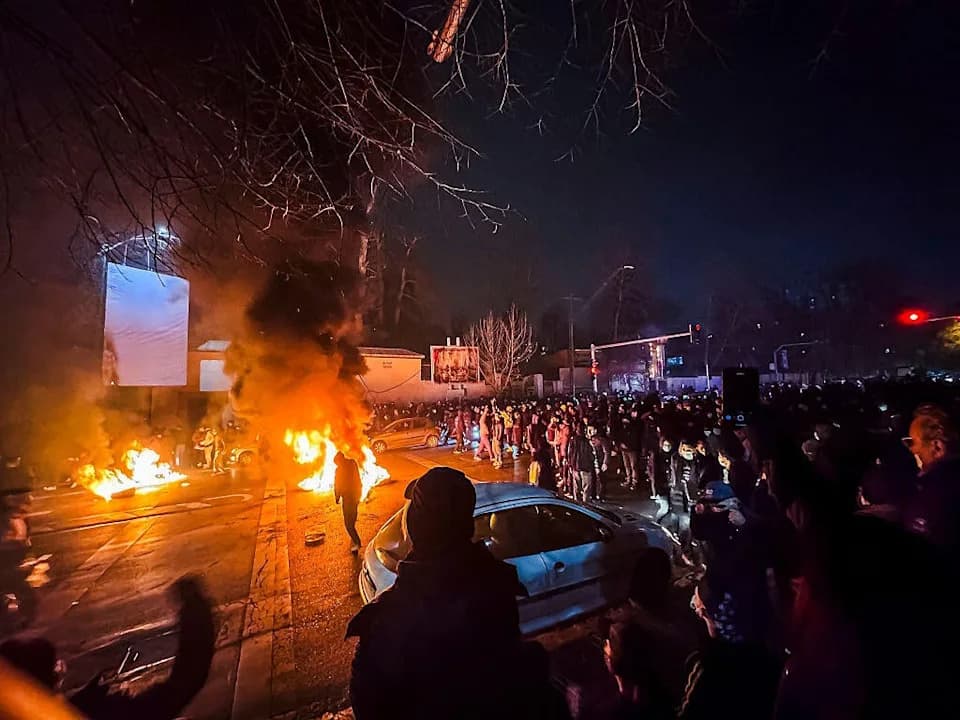
Large, organized protests formed around the message that Americans have “no kings.” Demonstrators and many commentators argued these unilateral renamings were less about practical governance and more about personal aggrandizement and an erosion of democratic norms. Observers flagged the combination of executive orders, administrative fiat and the barring of critical press outlets as dangerous precedents.
Why It Matters: Unilateral renaming of national sites and institutions can undermine community ties, disrespect Indigenous histories, and raise separation-of-powers concerns when the executive branch acts without congressional authorization. The debate also highlights how symbolic acts can have outsized political and cultural consequences.
The renaming campaign raises questions about precedent, oversight and the balance between presidential prerogative and institutional continuity — questions that many Americans answered in the streets with chants of “No kings!”
Help us improve.