Supporters are pressing for final approval of a Thomas Paine memorial on the National Mall. The project, authorized by a 2022 law and recommended for Mall placement by an advisory commission in September 2024, now awaits endorsement from the U.S. secretary of the Interior before returning to Congress for final enactment. Common Sense, published Jan. 10, 1776, turned 250 this year; Paine’s later work The Age of Reason made him a long‑running controversial figure even as his ideas have been embraced across the political spectrum. If approved, the memorial would face a 2030 completion deadline.
Will Washington Finally Honor Thomas Paine? 'Common Sense' Turns 250 as Memorial Awaits Interior Sign‑Off
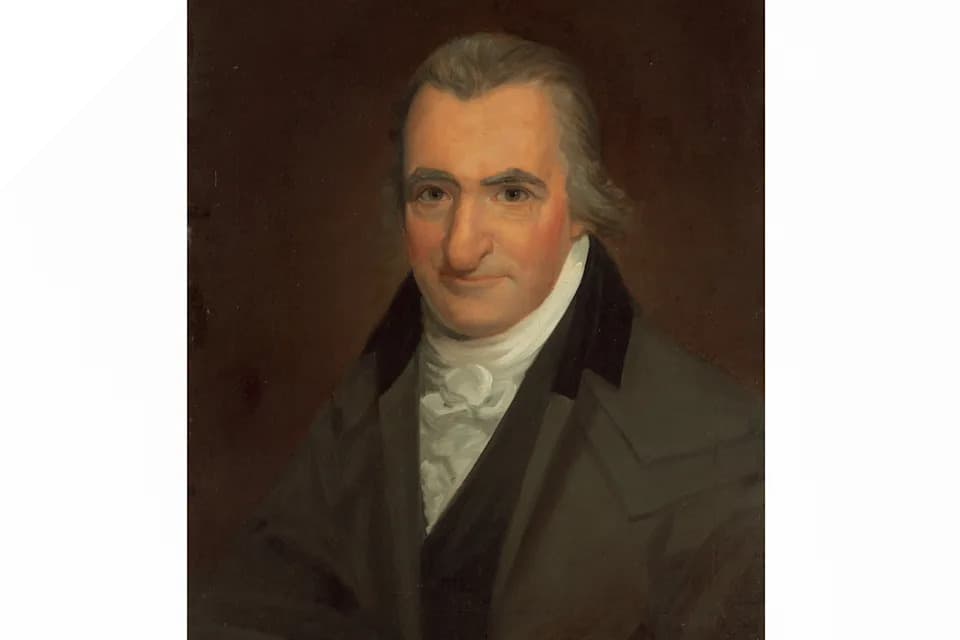
This image provided by the National Gallery of Art shows a painted portrait of American founding-father Thomas Paine by John Wesley Jarvis. (National Gallery of Art via AP)(National Gallery of Art via AP)(ASSOCIATED PRESS)
Some 250 years after his pamphlet Common Sense helped push the 13 colonies toward independence, advocates say Thomas Paine may at last receive a long‑anticipated memorial on the National Mall in Washington, D.C.
A memorial authorized by Congress in a 2022 law now requires endorsement by the U.S. secretary of the Interior before it can return to Congress for final enactment. In September 2024, the National Capital Memorial Advisory Commission recommended a site on the Mall; if the secretary signs off and Congress approves, the enabling statute would set a 2030 deadline for completion.
“He was a critical and singular voice,” said U.S. Rep. Jamie Raskin, D‑Md., a sponsor of the congressional bill backing the memorial. Supporters, including the private Thomas Paine Memorial Association, say federal authorization followed by successful private fundraising could finally put Paine on the capital’s landscape.
How the Process Works
Federal memorials are authorized by Congress but are typically built with private funds. A prior bipartisan authorization for a Paine memorial in 1992 stalled after it failed to raise sufficient private donations and the project faded by the mid‑2000s. The current effort cleared an important advisory hurdle in 2024, but remains contingent on department endorsement and fundraising.
Paine’s Enduring — and Contentious — Legacy
Published Jan. 10, 1776, Common Sense (later expanded to 47 pages) was a sensation: plainspoken, urgent and widely read. Paine helped shift public debate from resisting British policy to demanding full independence. He attacked monarchy itself, calling hereditary rule “exceedingly ridiculous” and arguing that one honest person was worth more than any crowned ruler.
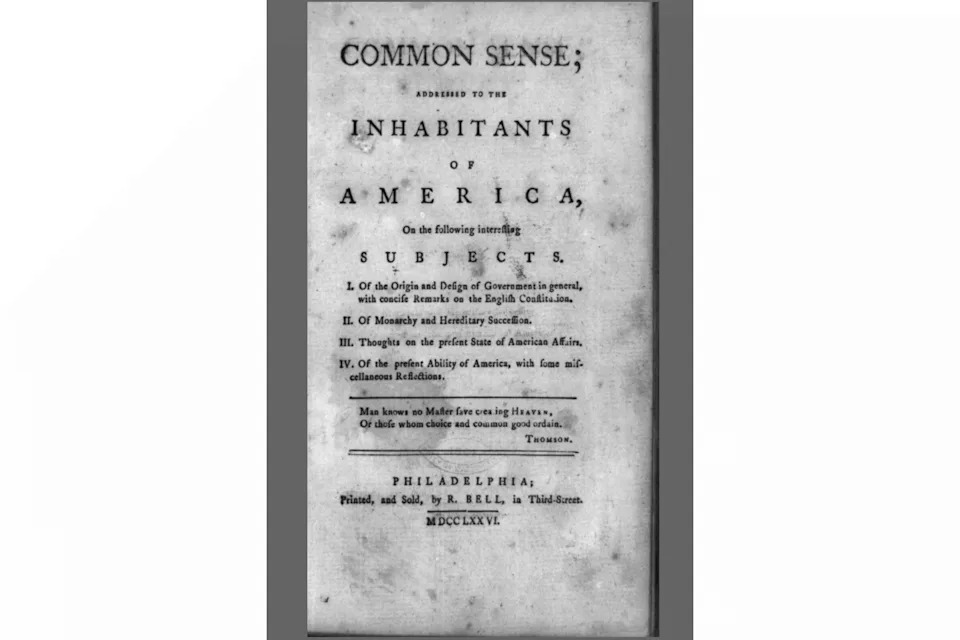
This Library of Congress provided image shows the title page of founding-father Thomas Paine's book "Common Sense." (Library of Congress via AP)(ASSOCIATED PRESS)
“Of more worth is one honest man to society and in the sight of God, than all the crowned ruffians that ever lived.”
Yet Paine’s later pamphlet, The Age of Reason (begun in 1794), fiercely criticized organized religion and made him a polarizing figure for generations. By the time of his death in 1809 he had been estranged from many contemporaries; only a handful attended his funeral. Over time, however, Paine’s ideas have been claimed by a broad array of political actors and movements.
Political Resonance Across the Spectrum
Historians note that Paine’s reputation has shifted with politics. Harvey J. Kaye, author of Thomas Paine and the Promise of America, points to Ronald Reagan’s 1980 convention speech — which quoted Paine — as a turning point that helped make Paine’s language more politically palatable across parties. When Congress authorized a Paine memorial in 1992, supporters ranged from Sen. Ted Kennedy (D‑Mass.) to Sen. Jesse Helms (R‑N.C.).
There are already Paine memorials and museums outside Washington — for example in New Rochelle, N.Y., and Morristown, N.J. Other communities have resisted commemoration because of his controversial views on religion.
Why the Decision Matters
Supporters say a Paine memorial would recognize a key voice of the American founding whose writing shaped public opinion in 1776 and whose plainspoken style continues to be cited today. Critics point to The Age of Reason and the deep divisions his rhetoric stirred as reasons for caution. For now, the fate of the Washington memorial depends on department sign‑off, private fundraising and final congressional approval.
“We are staying optimistic because we feel that Thomas Paine is such an important figure in the founding of the United States of America,” said Margaret Downey, president of the Thomas Paine Memorial Association.
What To Watch Next: whether the Interior Department endorses the Mall site recommended in September 2024 and whether private donors can meet the fundraising target required before Congress gives final approval.
Help us improve.