Ornate new bookstores in China — exemplified by Tianjin’s Zhongshuge, which opened in September 2024 — are attracting photographers and social-media crowds as much as readers thanks to dramatic, picture-ready interiors. Nationwide, hard-copy book sales have not fully returned to pre-pandemic levels, but the number of physical bookshops has held steady, according to industry figures. Architects and owners say photo-friendly design helps draw visitors, though some shops (notably Nanjing’s Librairie Avant-Garde) have imposed photography rules to protect the reading environment. Many bookstores now supplement book sales with tea, displays and retail items to diversify revenue.
China’s Photo-Ready Bookstores: Dramatic Interiors Turn Readers Into Selfie-Takers
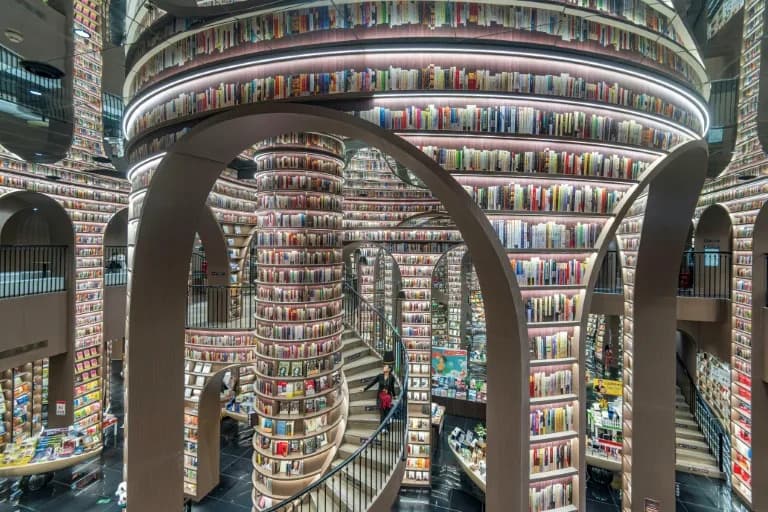
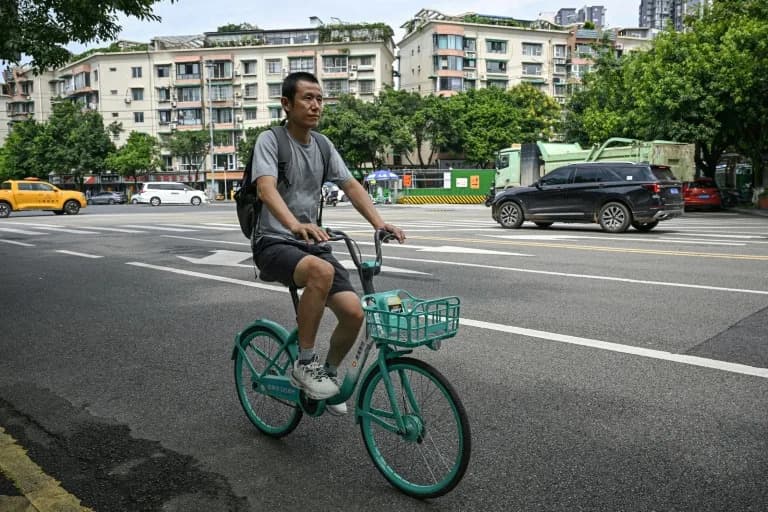
A woman visits a bookstore in Chengdu, in southwestern China's Sichuan province (STR)(STR/AFP/AFP)
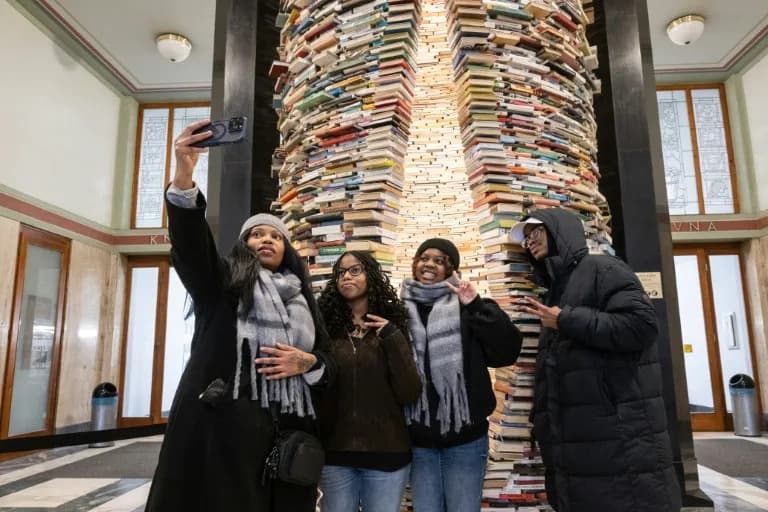
Towering, accordion-like steps and a whimsical spiral staircase greet visitors at Zhongshuge in Tianjin, a vast bookstore that opened in September 2024 and has quickly become a social-media magnet. Its dramatic, Hogwarts‑like interiors attract crowds eager to photograph the space as much as to browse the shelves.
Why Bookstores Are Built for Photos
National data show hard-copy book sales in China have not fully recovered to pre-pandemic levels, even as e-commerce continues to grow. Yet the head of a publishing industry group, Ai Limin, said in January that the total number of physical bookshops has "maintained steady growth," and that "a wave of bookstores with unique characteristics" has emerged.
Architects and designers say many new shops deliberately create picture-perfect interiors to draw visitors. Zheng Shiwei, of the China Architecture Design and Research Group, says photo-friendly design "has become relatively mainstream," but warns it can encourage visits for sightseeing rather than reading, producing unintended consequences for the traditional bookstore experience.
When Photos Interrupt Reading
At Tianjin’s Zhongshuge and other high-profile stores, tourists armed with selfie sticks and tripods crowd central staircases and photo spots marked on the floor. As one graduate student, Li Mengting, put it: "The photos come out really beautiful — but it was hard to find the perfect spot because there were truly a lot of people inside." Faded floor prints even label "The Best Spot for Photos" around the main stairwell.
"The nonstop pictures interfered with reading," said Yuan Jia, an avid reader from Nanjing, after a popular store there saw heavy tourist traffic.
Last June, Librairie Avant-Garde in Nanjing — itself a tourist hotspot — posted rules banning flash photography, tripods, loitering and staged photoshoots without permission to protect the reading environment.
New Business Models
Many bookstore owners accept that selling books alone no longer sustains their businesses. In Beijing a bookstore converted from a former Taoist temple — opened in 2024 by founder Juli Hu — regularly welcomes tourists who browse trinkets and order tea. "Books bring in relatively low profit," Hu said. She embraces online exposure and frequently installs new cultural displays to encourage visits and diversify income.
Designing photo-friendly areas can help bring people into literary spaces rather than into shopping malls or other tourist attractions. The challenge for owners and designers is striking the right balance between spectacle and the quiet, contemplative atmosphere readers expect.
Outlook
Photo-ready design appears likely to remain a feature of China’s bookstore revival: it draws foot traffic and social-media attention, helping shops survive in a competitive retail landscape. But as some stores have shown, rules and thoughtful layout are often needed to protect reading as a core purpose.
Help us improve.