Sudan’s Prime Minister Kamil Idris announced the government's phased return to Khartoum after nearly three years in Port Sudan, following the army's recapture of the capital last March. The move coincides with pledges to rebuild hospitals, schools and restore basic services, while the UN estimates about $350 million is needed to repair essential infrastructure. Despite relative calm in Khartoum, RSF drone strikes continue and fighting in Darfur and Kordofan has left roughly 11 million people displaced and spurred mass-atrocity allegations in places like el-Fasher.
‘Government of Hope’ Returns to Khartoum as Sudan Begins Reconstruction After Years in Port Sudan
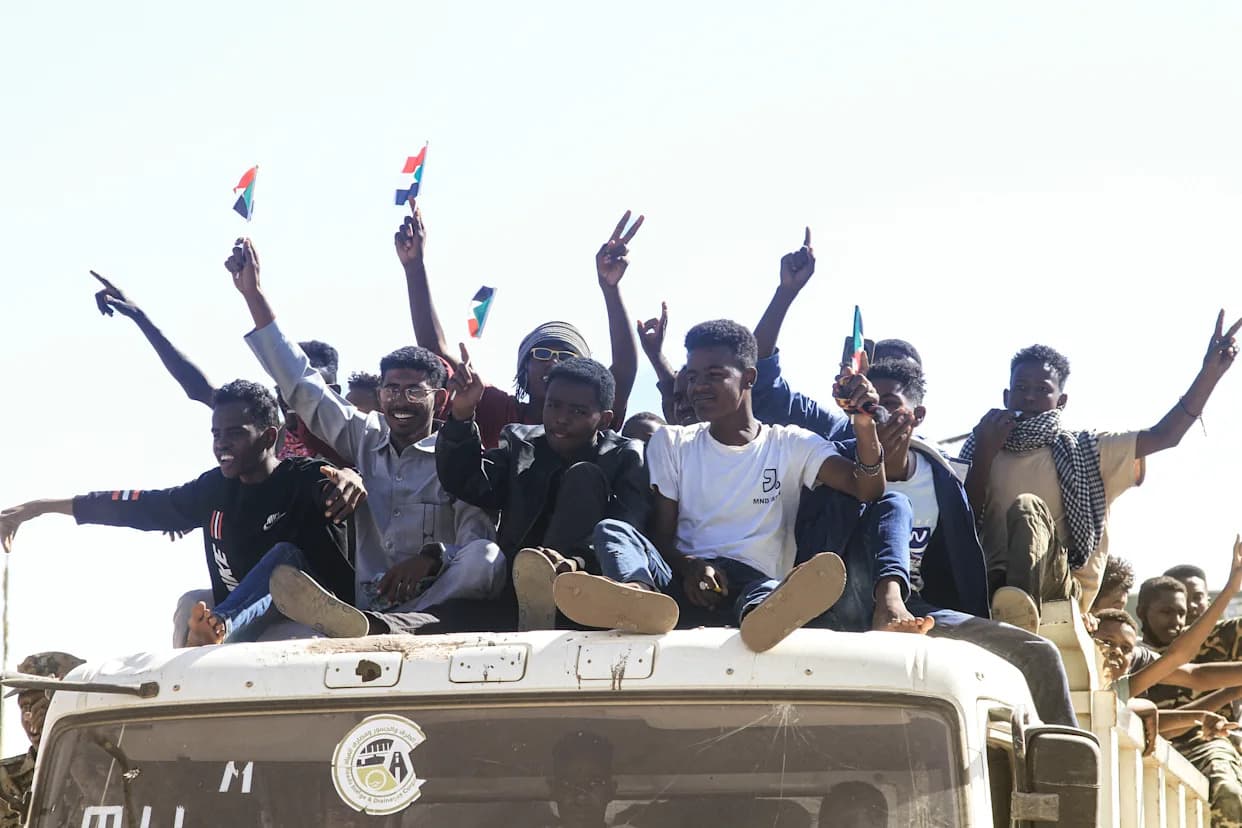
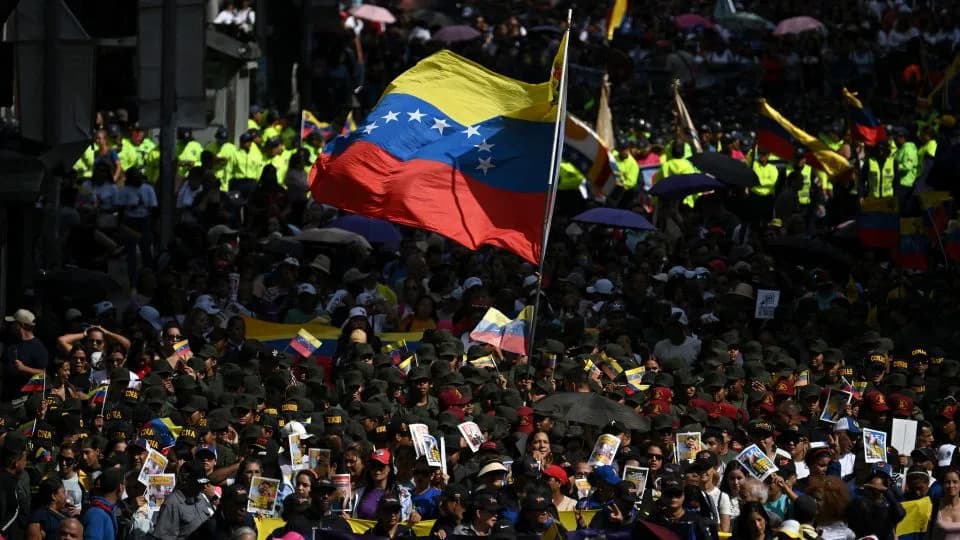
Sudanese demonstrators take to the streets during a rally in support of the Sudanese army in Khartoum State on December 13, 2025 [Ebrahim Hamid/AFP]
Sudan’s Prime Minister Kamil Idris announced on Sunday that the government has moved back to Khartoum after operating from the wartime capital of Port Sudan for almost three years. The phased return follows the army’s recapture of the capital last March and marks the start of official efforts to restore services and rebuild damaged infrastructure.
Return and Government Promises
At a press briefing in Khartoum, Idris said:
'Today, we return, and the Government of Hope returns to the national capital.' He pledged improved public services, including better healthcare, hospital reconstruction, expanded educational services, and upgrades to electricity, water and sanitation systems.
Humanitarian and Reconstruction Challenges
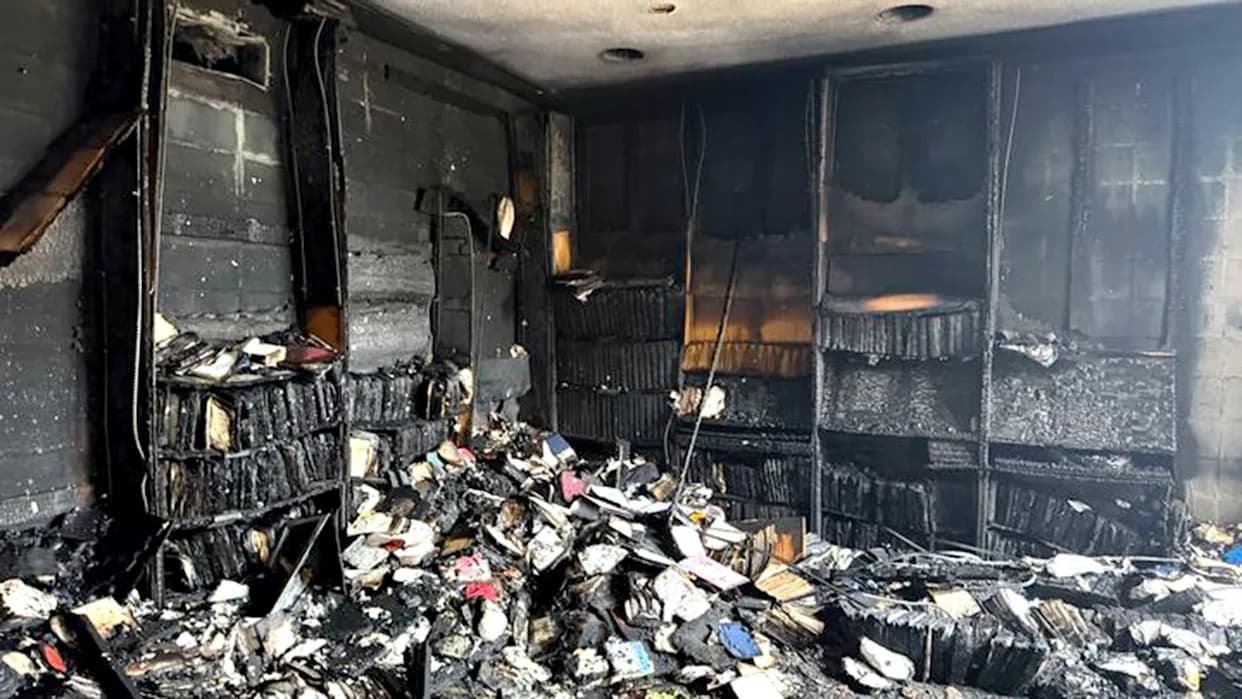
For nearly two years the Khartoum metropolitan area — composed of Khartoum, Omdurman and Khartoum North (Bahri) — was an active theatre of war. Entire neighbourhoods were besieged, fighters exchanged artillery fire across the Nile, and millions were forced to flee. Between March and October, the United Nations reports about 1.2 million people returned to Khartoum, many finding homes destroyed and utilities barely functioning.
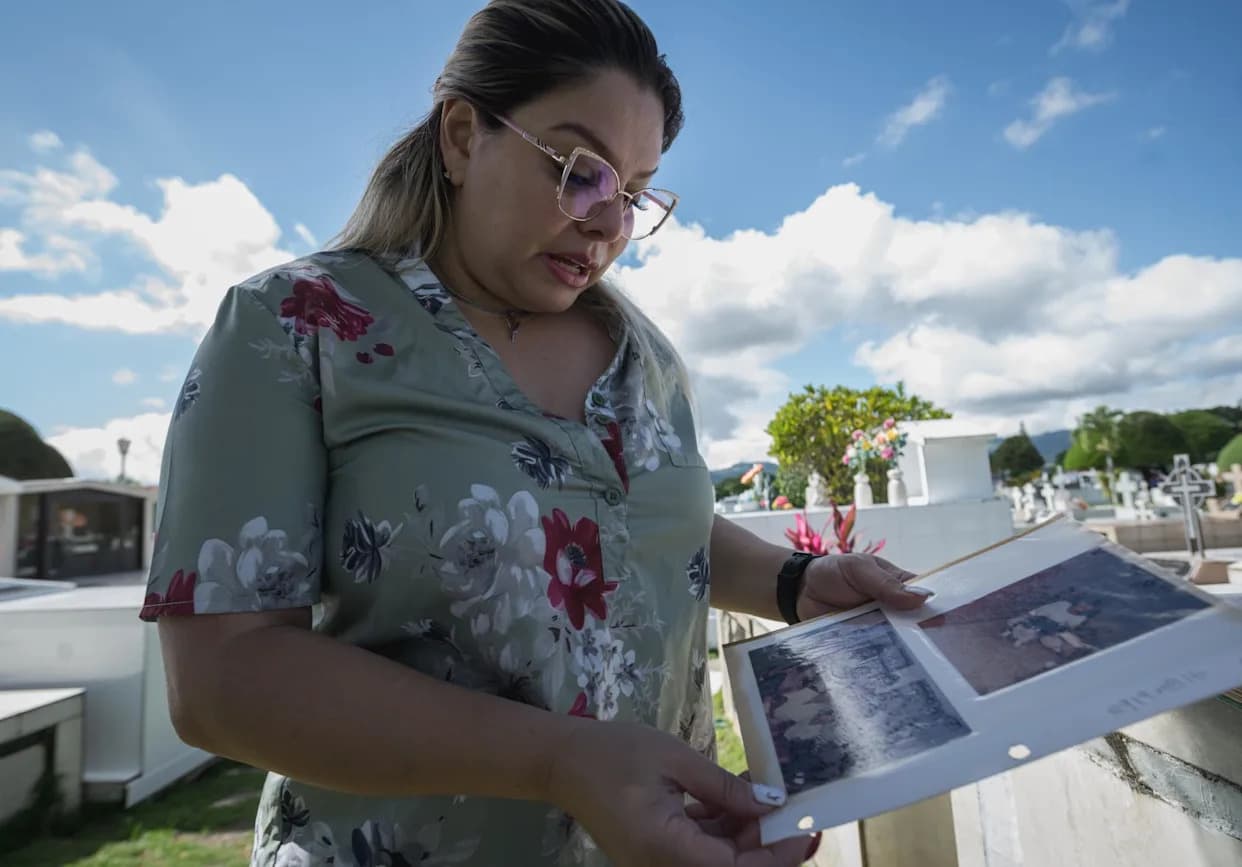
The UN estimates that rehabilitating the capital's essential infrastructure will cost roughly $350 million. Authorities are also exhuming makeshift burial sites after intense urban fighting that humanitarians say left tens of thousands dead in the capital alone, although the full toll remains unknown.
Security Situation and Ongoing Fighting
Khartoum has seen relative calm in recent months, but the paramilitary Rapid Support Forces (RSF) have continued to carry out drone strikes, often targeting infrastructure. Significant fighting persists elsewhere: the RSF has advanced through parts of Kordofan after dislodging army positions in parts of Darfur last year.
Sudan’s army recently claimed it inflicted heavy losses on the RSF in air and ground operations across Darfur and Kordofan, saying it destroyed about 240 combat vehicles and killed hundreds of fighters. Those figures have not been independently verified and the RSF did not immediately respond to the claims.
Wider Impact
The conflict has displaced roughly 11 million people internally and across borders, creating one of the world’s largest displacement and hunger crises. The UN described el-Fasher in North Darfur as a 'crime scene' after aid teams accessed the largely emptied city and documented allegations of mass atrocities attributed to RSF forces. Survivors reported ethnically motivated killings and widespread detentions; soldiers from the Sudanese Armed Forces (SAF) have also been accused of abuses during the fighting.
Next Steps
The government has begun holding some cabinet meetings in Khartoum and has launched initial reconstruction initiatives, but large-scale recovery will depend on security, funding and humanitarian access. Observers warn that progress will require sustained international support and credible mechanisms to investigate alleged atrocities and hold perpetrators accountable.
Help us improve.