
Over the past 25 years science has delivered transformative advances: the Human Genome Project and CRISPR reshaped genetics and medicine; AlphaFold revolutionized protein prediction; JWST and the Event Horizon Telescope expanded our view of the cosmos; LIGO opened gravitational-wave astronomy; and fusion experiments reached important physics milestones. Breakthroughs in materials, vaccines, robotics and ancient DNA have likewise changed multiple fields. Several unresolved questions — Planet Nine, quantum advantage, the nature of dark energy, neurological disease treatments, and possible biosignatures — could define the next quarter-century.
25 Years of Discovery: The Biggest Scientific Breakthroughs — And the Mysteries Next

The last 25 years have seen an impressive array of scientific advances, from the sequencing of the human genome to the discovery of the Higgs boson particle at CERN (shown above).Fons Rademakers, CERN/Science Photo Library
The first quarter-century of the 21st century has been uneven but extraordinarily productive. Breakthroughs in genetics, artificial intelligence, astronomy, particle physics, and climate science have reshaped how we understand life, the universe, and our technological possibilities. Below is a clearer, tighter tour of the most consequential advances of the last 25 years — and five unresolved questions that could define the next quarter-century.
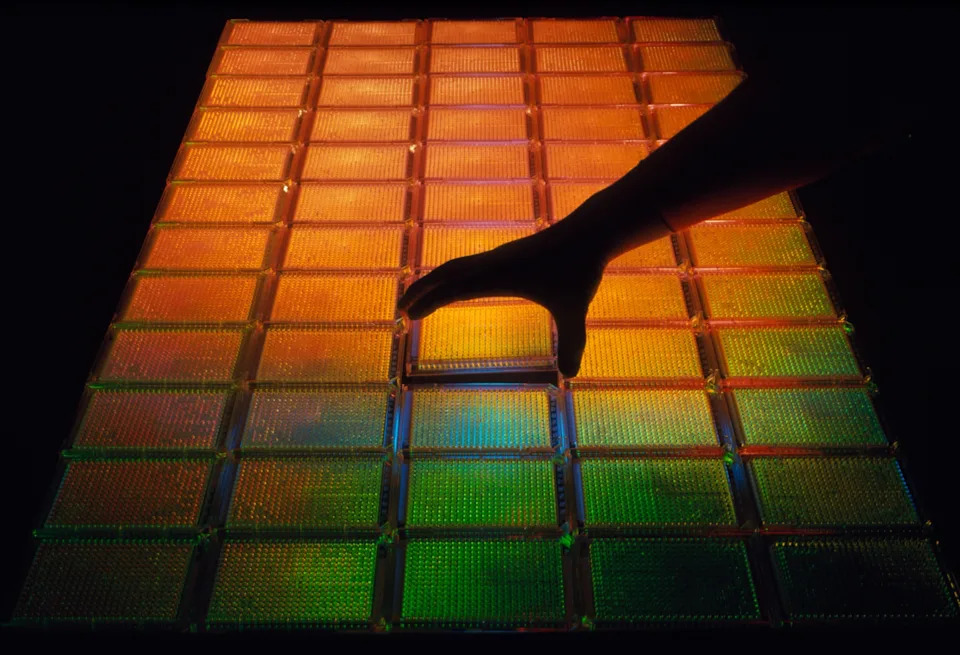
These 60 trays contain the entire human genome as 23,040 different fragments of cloned DNA at the Sanger Centre in Cambridge, England. The goal of the human genome project was to find the base sequence of all the genes in human DNA, allowing for improved drug design and a greater understanding of genetic diseases.James King-Holmes, Science Photo Library
Landmark Advances in Biology and Medicine
Human Genome Project and Synthetic Biology. Launched in 1990 and completed in 2003, the Human Genome Project produced the first full human genome sequence and launched modern genomics. That work accelerated synthetic biology: researchers created the first synthetic cell (2010), synthetic DNA constructs (2012) and synthetic chromosomes (2014), establishing tools for designing living systems.
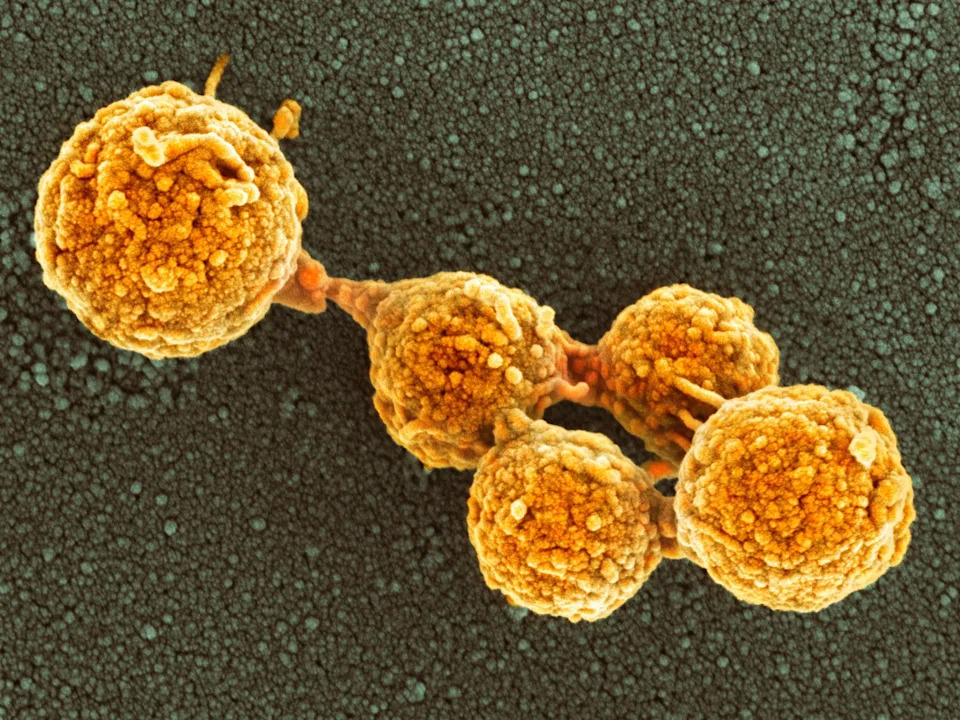
Colored scanning electron micrograph (SEM) of Mycoplasma mycoides JCVI-syn1.0 cells. Developed by researchers at the J. Craig Venter Institute, JCVI-syn1.0 was the first self-replicating cell controlled by a synthetic genome.Thomas Deerinck, NCMIR/Science Photo Library
CRISPR Gene Editing. Adapted from a bacterial immune system, CRISPR emerged as a versatile, relatively simple method for cutting and rewriting DNA. Released for broad use in 2012, CRISPR has already enabled landmark medical outcomes — including approved gene therapies that functionally cure some patients with sickle-cell disease and beta-thalassemia, and experimental rapid, personalized treatments for rare genetic disorders. Jennifer Doudna and Emmanuelle Charpentier received the 2020 Nobel Prize for pioneering this technology.
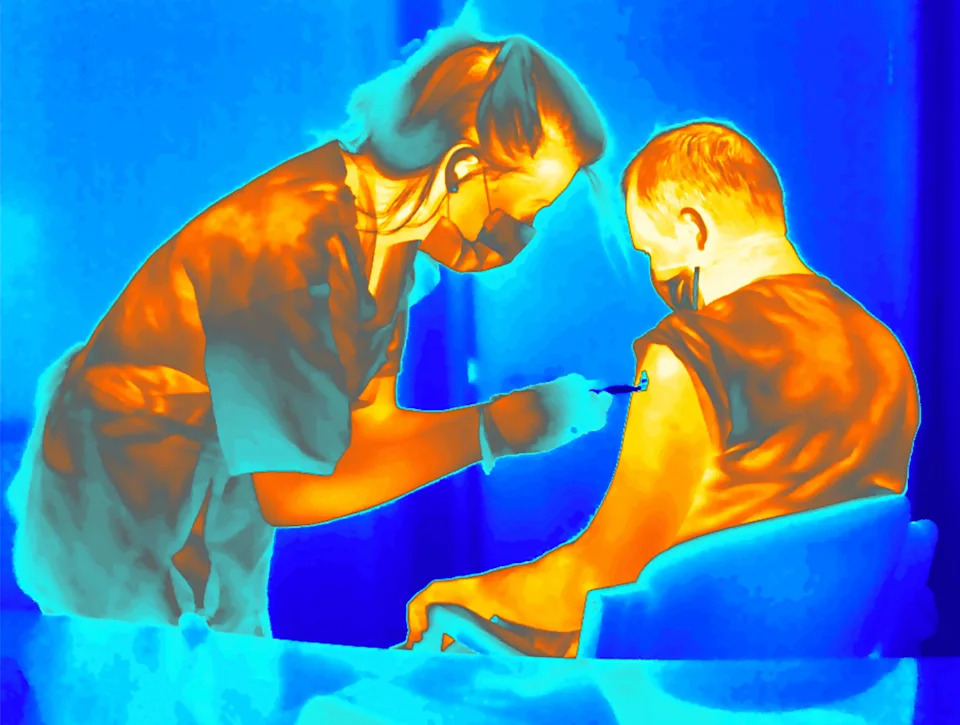
A healthcare worker injects a patient with a refrigerated COVID-19 trial vaccine in a infrared view, 2020.Giles Price, Nat Geo Image Collection
Mitochondrial Replacement Therapy. First used clinically in 2016, this approach replaces defective mitochondrial DNA with donor mitochondria to prevent rare maternally inherited diseases, producing infants with genetic material from three contributors; follow-up to 2025 shows these children are generally healthy.
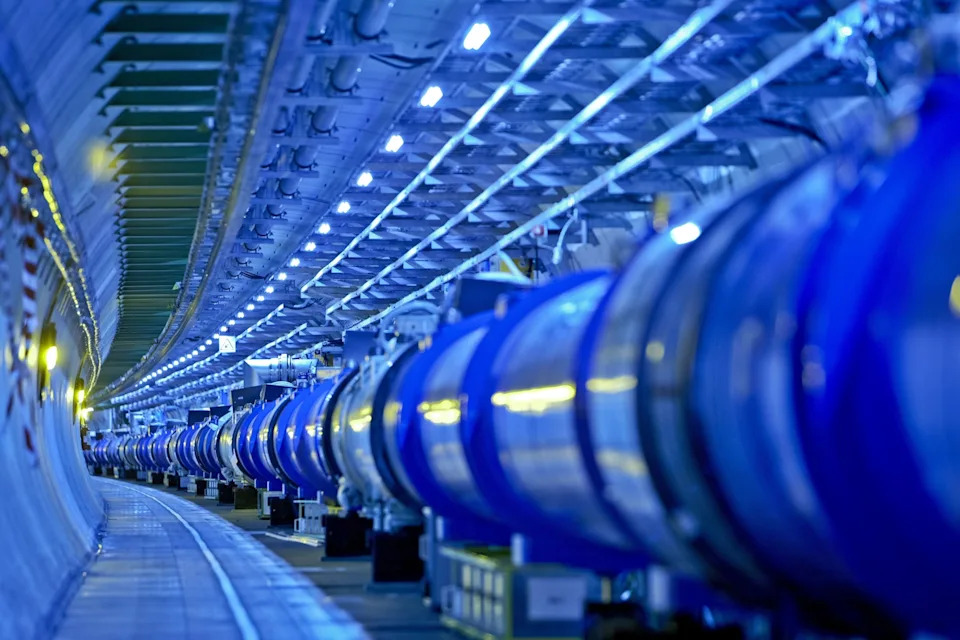
The Large Hardron Collider (LHC) at CERN occupies a circular underground tunnel nearly 17 miles (27 kilometers) in circumference.Thomas Pflaum, VISUM/Redux
Protein Structure Prediction — AlphaFold. DeepMind’s AlphaFold transformed a decades-old challenge by predicting three-dimensional protein structures from amino-acid sequences with near-experimental accuracy. That advance accelerates drug discovery and molecular biology, earning the 2024 Nobel Prize in Chemistry.
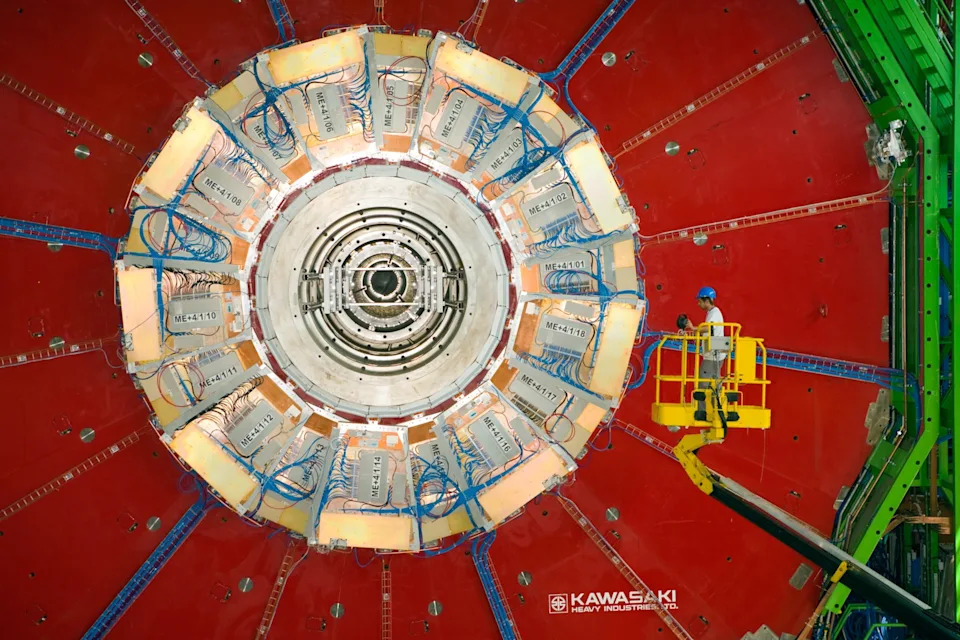
A compact muon solenoid (CMS), which despite its name is a massive general-purpose particle detector at CERN's Large Hadron Collider (LHC) being used to search for the Higgs boson particle.Mark Thiessen, Nat Geo Image Collection
Vaccines and Immunotherapy. The HPV vaccine (approved 2006) has driven a large drop in cervical cancer deaths worldwide. Rapid development of mRNA vaccines during the COVID-19 pandemic demonstrated a platform that saved millions and is now being adapted to other infections and cancer. Immunotherapies such as CAR-T, first approved in 2017, have produced very high remission rates in certain blood cancers and saved many lives.
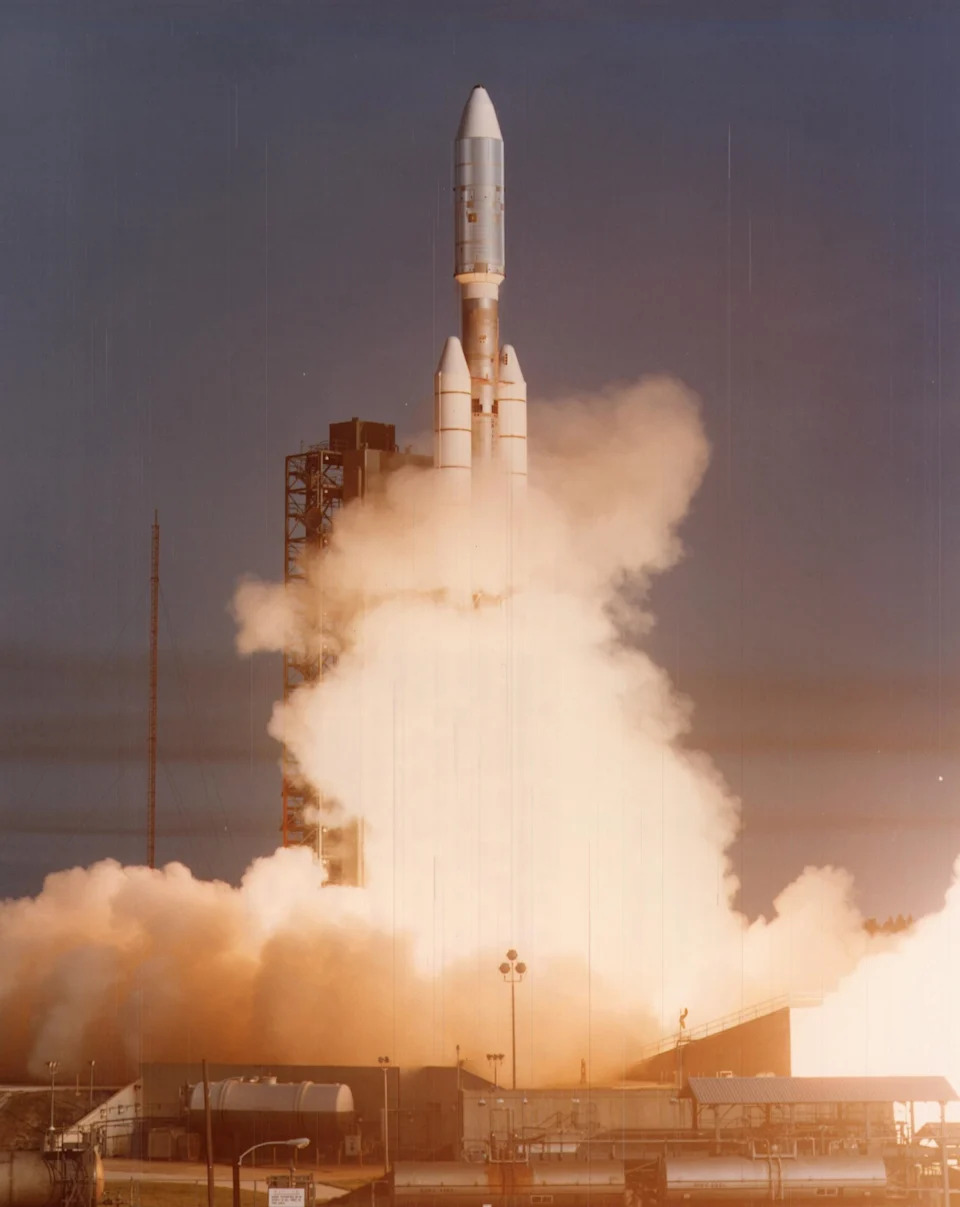
NASA's Voyager 1 spacecraft launched from the Kennedy Space Center in Florida on September 5, 1977, at 8:56 a.m. local time. In 2012, it became the first spacecraft to leave our solar system.NASA/JPL-Caltech/KSC
Materials, Particle Physics, and Fundamental Forces
Graphene. First produced in 2004, graphene — an atom-thin lattice of carbon — won the 2010 Nobel Prize and has inspired innovations in batteries, sensors, filtration and advanced materials due to its exceptional strength, conductivity and transparency.
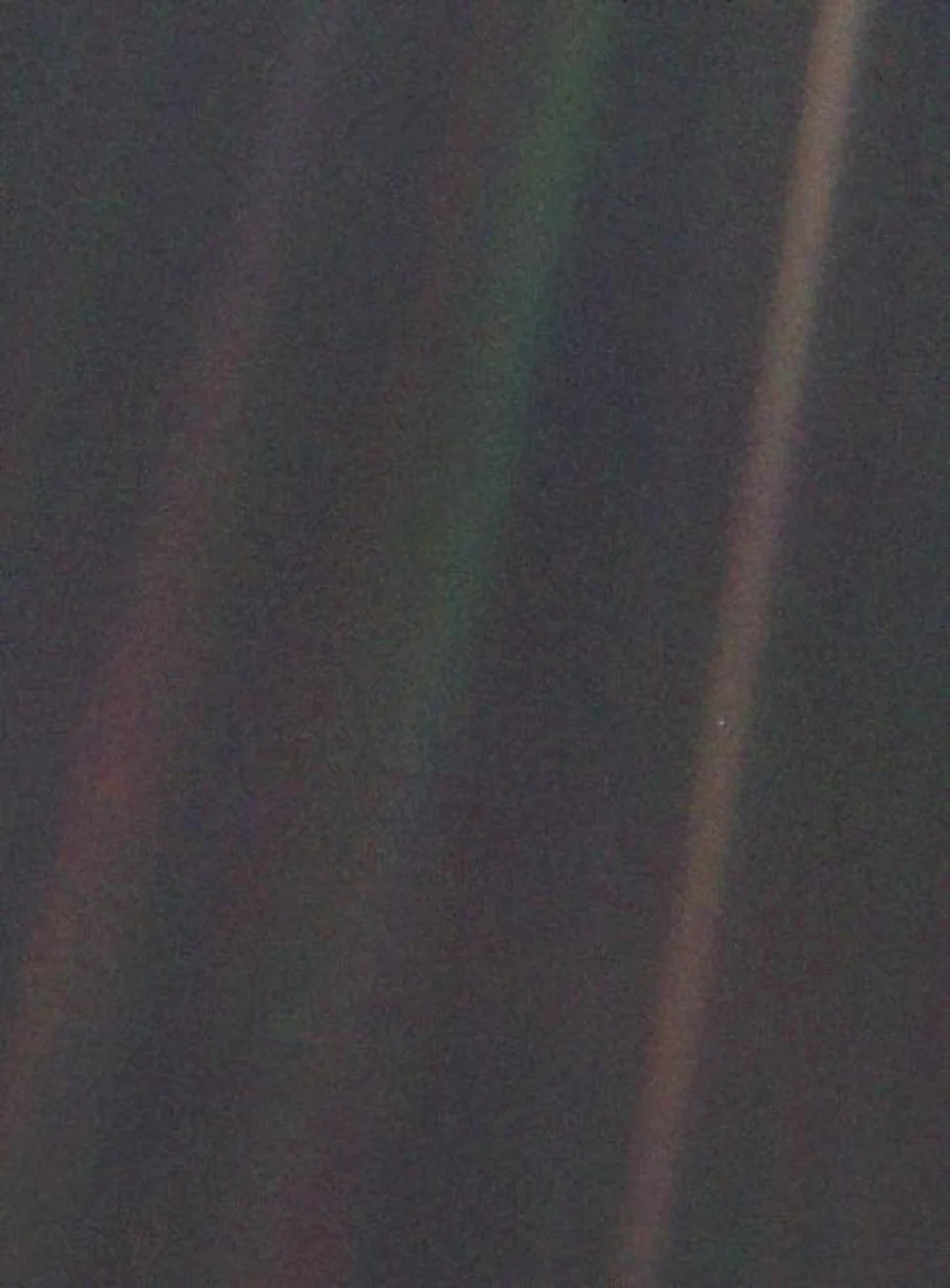
This narrow-angle color image of the Earth, dubbed Pale Blue Dot, is a part of the first ever 'portrait' of the solar system taken by NASA’s Voyager 1 on February 14, 1990 at a distance of 3.7 billion miles (6 billion kilometers) from the Sun. The images used for the "Family Portrait of the Solar System" were the final series of images produced by Voyager 1.NASA/JPL
Higgs Boson. The 2012 discovery of the Higgs boson at CERN confirmed the particle responsible for giving elementary particles mass and validated a crucial piece of the Standard Model of particle physics; its contribution was recognized by the 2013 Nobel Prize.

The image is divided horizontally by an undulating line between a cloudscape forming a nebula along the bottom portion and a comparatively clear upper portion. Speckled across both portions is a starfield, showing innumerable stars of many sizes. The smallest of these are small, distant, and faint points of light. The largest of these appear larger, closer, brighter, and more fully resolved with 8-point diffraction spikes. The upper portion of the image is blueish, and has wispy translucent cloud-like streaks rising from the nebula below. The orangish cloudy formation in the bottom half varies in density and ranges from translucent to opaque. The stars vary in color, the majority of which have a blue or orange hue. The cloud-like structure of the nebula contains ridges, peaks, and valleys – an appearance very similar to a mountain range. Three long diffraction spikes from the top right edge of the image suggest the presence of a large star just out of view.NASA/ESA/CSA/STScI
Gravitational Waves. A century after Einstein predicted them, LIGO made the first direct detection of gravitational waves in 2015 (announced 2016) from a black hole merger. Hundreds of detections since have opened a new observational window on the cosmos and won the 2017 Nobel Prize.
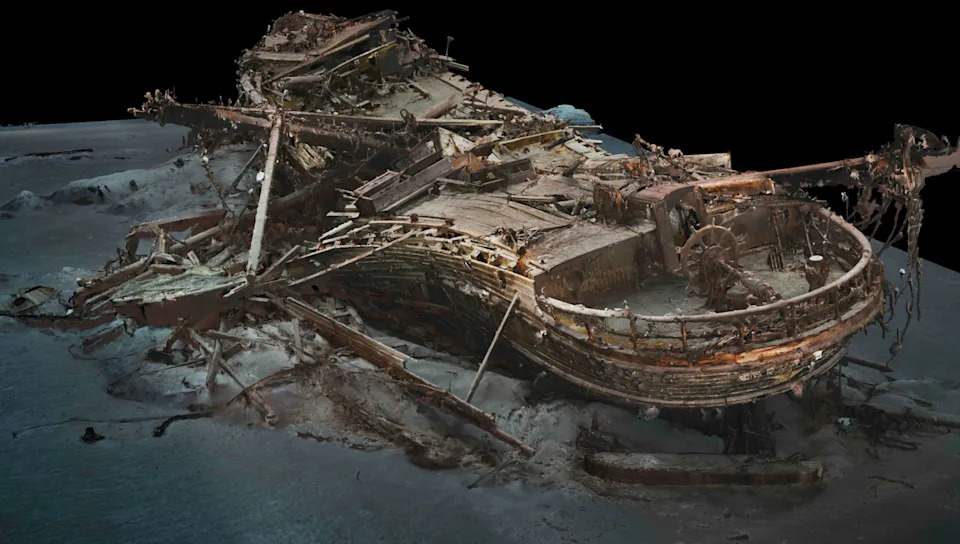
This 3-D scan shows the Endurance as it was found in its final resting place at the bottom of the Weddell Sea.Falklands Maritime Heritage Trust
Energy, Space, and Exploration
Fusion Net Energy Milestone. In 2022 (and again in 2023) experiments at Lawrence Livermore National Laboratory reported a fusion shot that produced more energy from the fuel than was directly delivered to it — a major physics milestone. Practical, economical fusion power plants, however, remain a future engineering challenge.
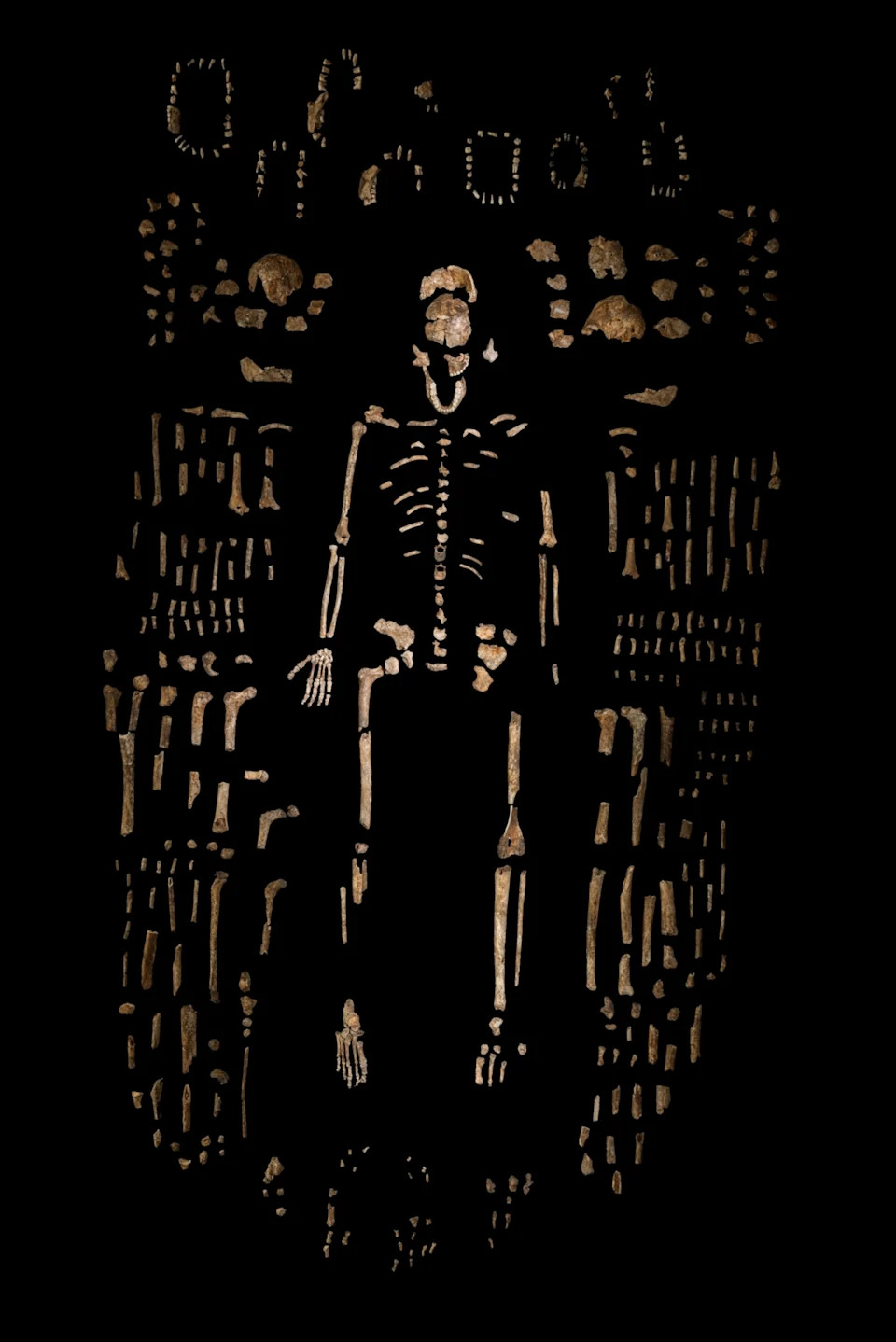
A composite skeleton of Homo naledi surrounded by some of the hundreds of other specimens found in the Rising Star Cave system in South Africa.Robert Clark, Nat Geo Image Collection
Interstellar Visitors and Survey Telescopes. The discovery of the interstellar visitor 'Oumuamua (2017) and the comet 2I/Borisov (2019), along with 3I/ATLAS (2025), announced the era of interstellar objects passing through our solar system. The Vera C. Rubin Observatory, which began operations in 2025, should dramatically increase detections.
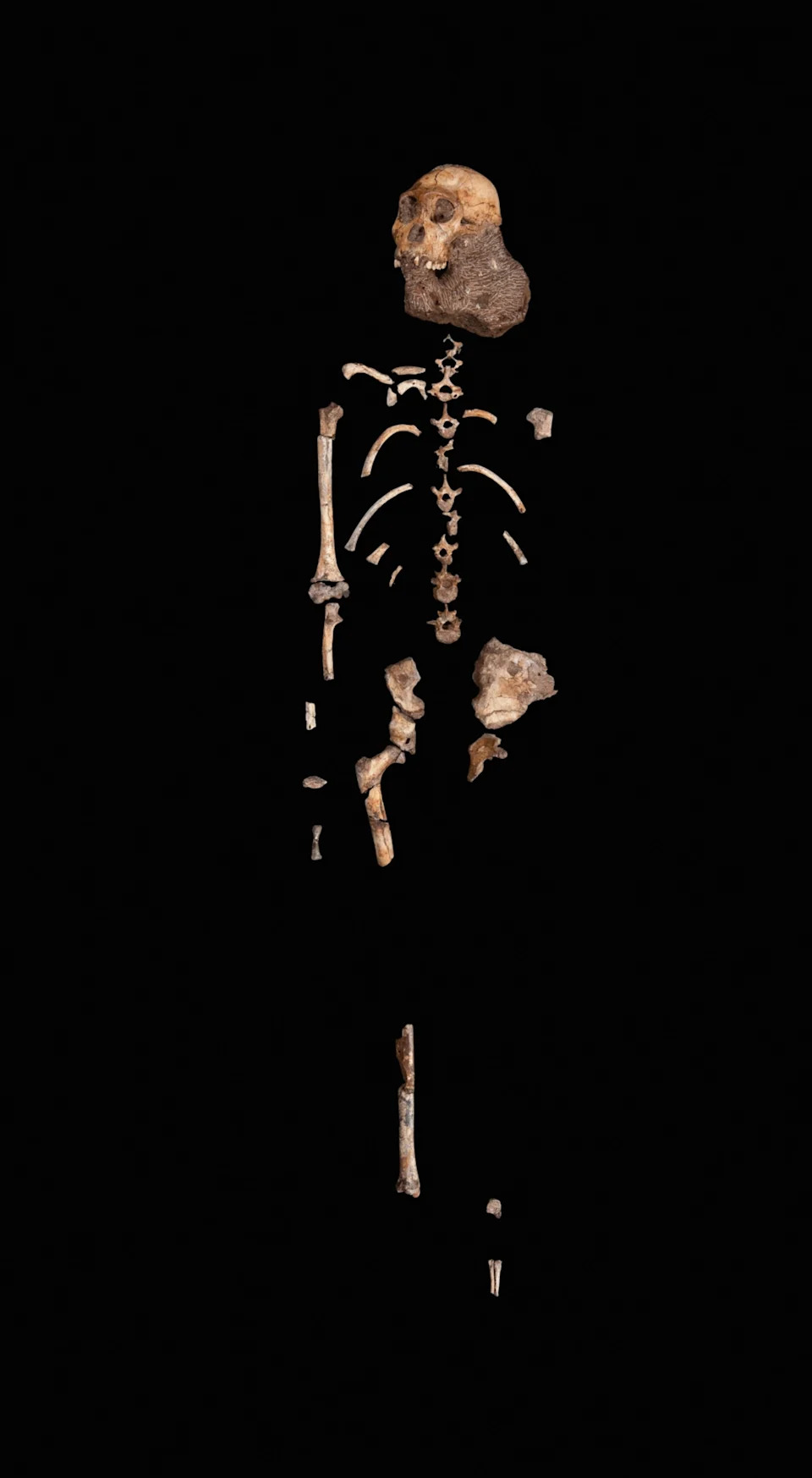
An Australopithecus sediba juvenile male skeleton from the Malapa site, also in South Africa.Brent Stirton, Nat Geo Image Collection
Black Hole Imaging and Space Telescopes. The Event Horizon Telescope collaboration produced the first image of a black hole’s shadow (Messier 87) in 2019 by linking radio telescopes worldwide. The James Webb Space Telescope, launched on December 25, 2021, offers far deeper, sharper views than previous observatories, peering into the early universe and characterizing exoplanet atmospheres.
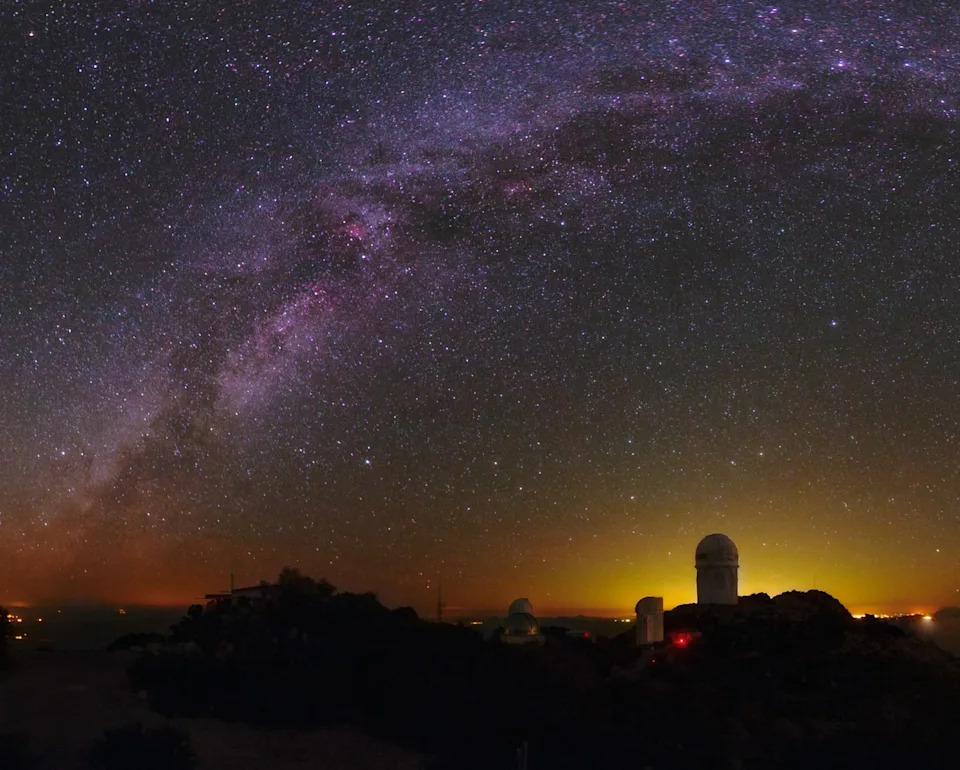
The Milky Way and Jupiter, the brightest object in the sky over Kitt Peak Observatory. The Mayall 4-meter telescope, the largest on the mountain, houses the Dark Energy Spectoscopic Instrument.Babak Trafreshi, Nat Geo Image Collection
Robotic Exploration and Sample Return. Probes like Voyager 1 (now in interstellar space), Parker Solar Probe (closer to the Sun than any prior mission), New Horizons (first close look at Pluto), and sample-return missions such as Hayabusa and OSIRIS-REx have extended in situ science across the solar system.
Earth Science, Archaeology, and Human Origins
Exoplanets and Kepler/TESS. Though exoplanets were first found in the 1990s, NASA’s Kepler mission (2009–2018) discovered thousands of planets and proved that planets are common. By 2025, roughly 6,000 exoplanets had been confirmed, including exotic worlds that rain molten metal and potentially habitable planets.
Climate Attribution. The 2004 study linking the 2003 European heatwave to human-driven climate change marked the start of formal climate attribution science. Since then, attribution has tied human influence to higher odds and intensities of heatwaves, extreme rainfall events (e.g., Hurricane Harvey), and fire-conducive droughts such as those that worsened the 2025 Los Angeles fires.
Ocean Discoveries and Lidar Archaeology. Discoveries such as the Lost City hydrothermal field (2000) and the dramatic rise of Lidar surveys have revealed hidden ecosystems and entire ancient settlements beneath dense foliage — reshaping archaeology in Mesoamerica, Southeast Asia and beyond.
Marine Archaeology and Polar Finds. Modern search techniques and local knowledge helped locate long-lost ships: HMS Erebus (2014), HMS Terror (2016) and Shackleton’s Endurance (2022), advancing marine archaeology and respecting Indigenous contributions to these discoveries.
Human Evolution and Ancient DNA. New fossil finds (Homo floresiensis, Australopithecus sediba, Homo naledi) and breakthroughs in ancient DNA (e.g., Denisovans from a finger bone, ancient hybrids) have enriched our picture of hominin diversity and migration. Ancient-DNA methods have also mapped past population movements and pathogen histories.
Paleontology and Permafrost Finds. Soft dinosaur tissues and abundant feathered fossils have revised ideas about dinosaur appearance and biology. Thawing permafrost has revealed remarkably preserved Ice Age specimens — from mammoths to cave lion cubs — and even revived microscopic lifeforms preserved for tens of thousands of years (raising both scientific opportunity and ethical concerns).
Open Mysteries To Watch
Planet Nine. Unusual orbital alignments in the distant solar system led to the Planet Nine hypothesis in 2016. New wide-field surveys like Rubin Observatory could confirm or refute a distant massive planet.
Quantum Advantage. Google’s 2019 Sycamore demonstration claimed quantum supremacy for a narrow task, sparking debate. Ongoing work aims to show practical quantum advantage for useful computations.
Dark Energy’s Fate. Early results from the Dark Energy Spectroscopic Instrument (DESI) suggest cosmic acceleration may be evolving rather than constant — a finding that would have profound implications for cosmology if confirmed.
Neurological Diseases. New anti-amyloid drugs offer cautious hope for slowing Alzheimer’s progression, but long-term benefits remain under study. The link between Epstein-Barr virus and multiple sclerosis has stimulated vaccine trials that could transform prevention strategies.
Biosignatures and Life Beyond Earth. Tentative detections — phosphine in Venus’s atmosphere, debated signals from exoplanet atmospheres, and possible ancient biosignatures on Mars — have moved the search for life from speculation toward data-driven investigation. None are definitive, but more sensitive instruments and missions will deepen the evidence base.
“Many breakthroughs began as curiosity-driven research with no obvious application,” says Jennifer Doudna. “Sustained investment in basic science — and equitable access to the resulting tools — will shape the next decades.”
From microscopic genes to the fabric of spacetime, the past 25 years show how curiosity, collaboration and technology can produce surprising, world-altering results. The next 25 years will likely be equally transformative — if societies choose to invest in science and ensure its benefits are broadly shared.


