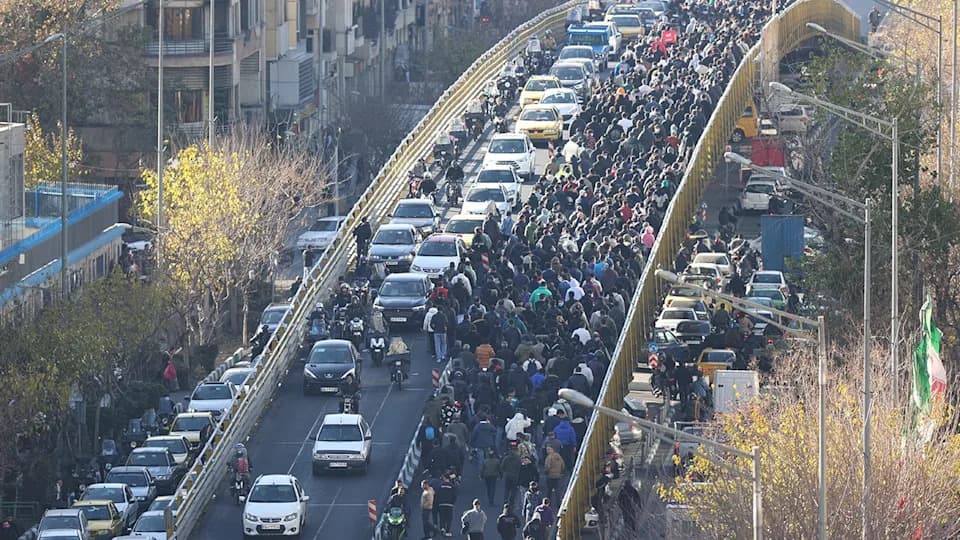
Iran's president warned suppliers not to hoard goods or inflate prices as the government implements a major subsidy overhaul amid nationwide protests. The reform removes preferential foreign-exchange rates that previously benefited importers and aims to redirect support to consumers. Iranians will receive about $7 a month to buy basic food items, but prices for staples like cooking oil and eggs have surged since the announcement. Authorities have been urged to ensure steady supply and stronger price monitoring.
Iran President Warns Suppliers Against Hoarding and Overpricing as Subsidy Overhaul Sparks Price Rises
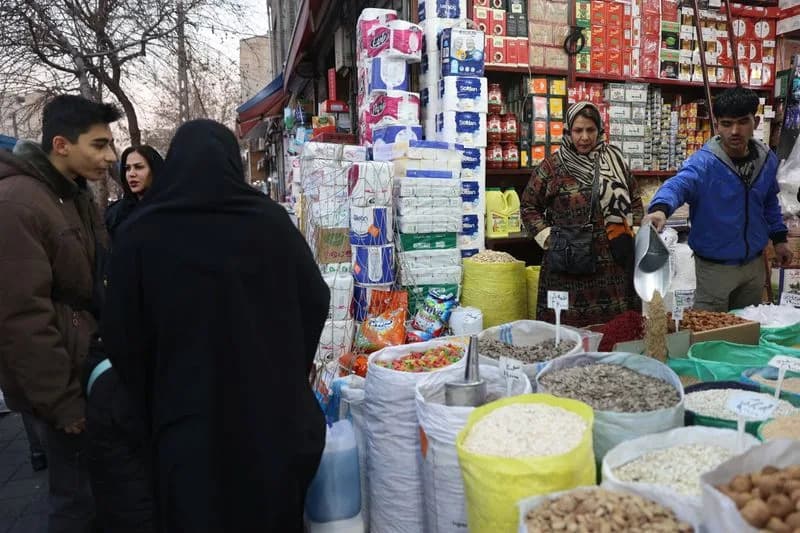
An Iranian woman shops in a local market in Tehran, Iran, January 5, 2026. Majid Asgaripour/WANA (West Asia News Agency) via REUTERS/File Photo
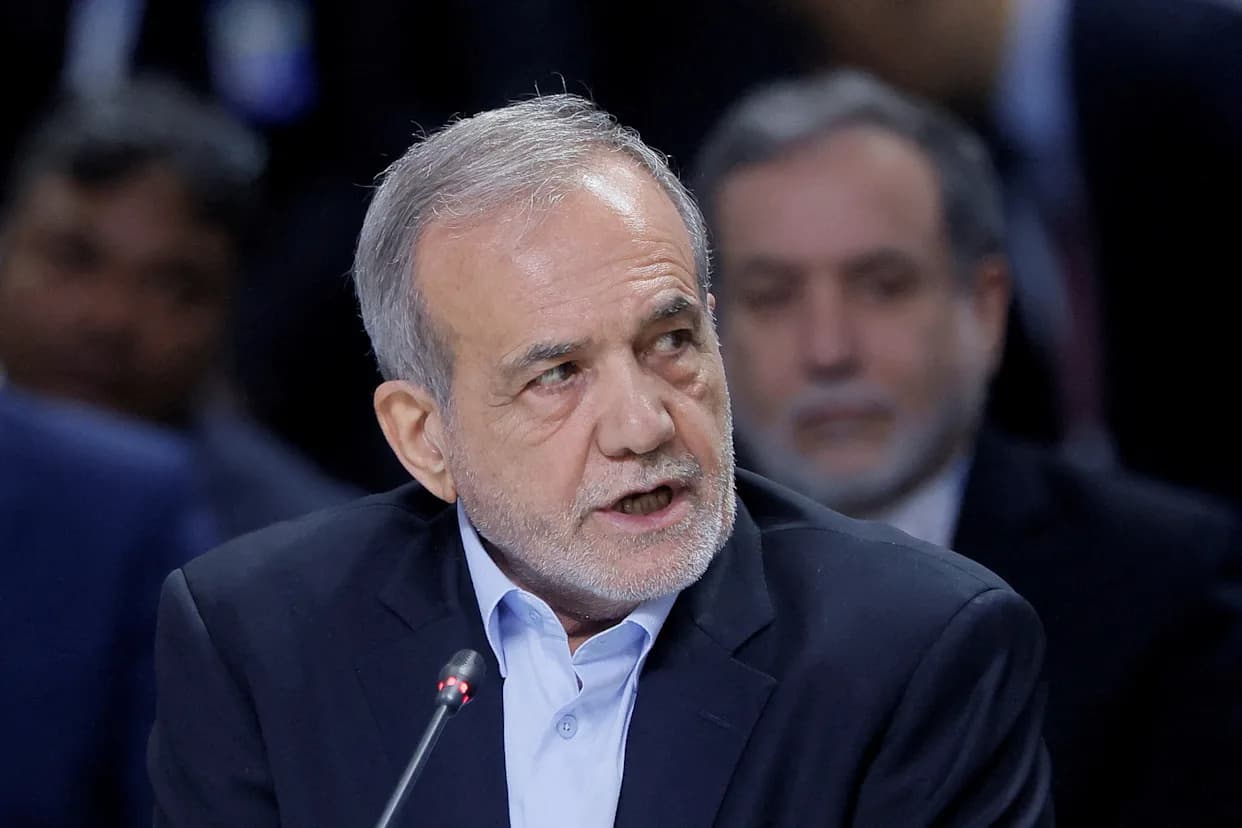
DUBAI, Jan 8 (Reuters) — Iran's president, Masoud Pezeshkian, warned domestic suppliers against hoarding goods or inflating prices as Tehran rolls out a controversial subsidy overhaul amid nationwide protests over economic hardship.
"People should not feel any shortage in terms of goods' supply and distribution," Pezeshkian said, urging the government to ensure adequate availability of essential items and to step up monitoring of prices across the country.
What the Reform Does
The subsidy reform is designed to shift benefits toward consumers and away from importers by removing preferential foreign-exchange rates that previously allowed some importers to buy foreign currency at cheaper rates than ordinary Iranians.
Under the new policy, Iranians will receive roughly $7 a month to spend on basic goods at selected grocery stores. Since the policy was announced, prices for some staples — notably cooking oil and eggs — have risen sharply, adding to public discontent.
Government Response and Public Reaction
The president called on relevant ministries and agencies to guarantee supply and tighten price monitoring to prevent speculation and hoarding. The announcement comes as widespread protests continue across Iran, driven by economic strain and public frustration over rising costs.
Reporting by Dubai Newsroom; Editing by Alex Richardson and Philippa Fletcher.
Help us improve.