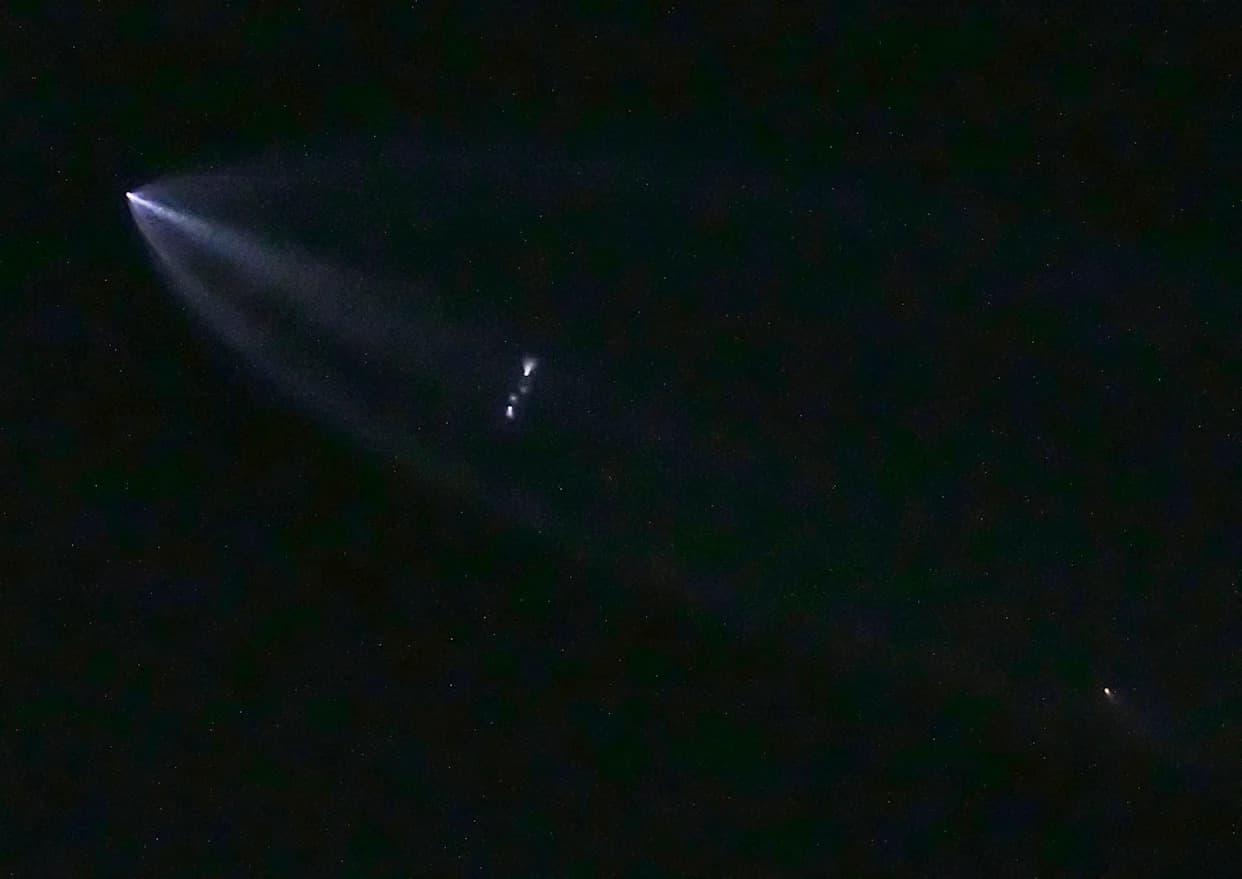
SpainSat NG-2, Spain's second military communications satellite launched on Oct. 23, was reportedly struck by a piece of space debris while transferring toward geostationary orbit. The impact occurred at about 31,000 miles (50,000 km), above the geostationary belt. Hisdesat has activated contingency plans and technical teams are analysing telemetry to assess whether the satellite can be recovered or must be replaced.
Space Debris Strikes SpainSat NG-2 — Spain's New Military Comms Satellite Damaged Above Geostationary Orbit
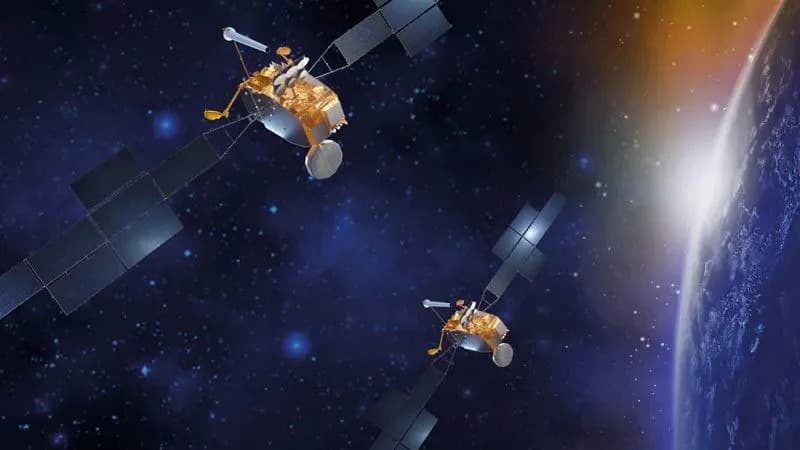
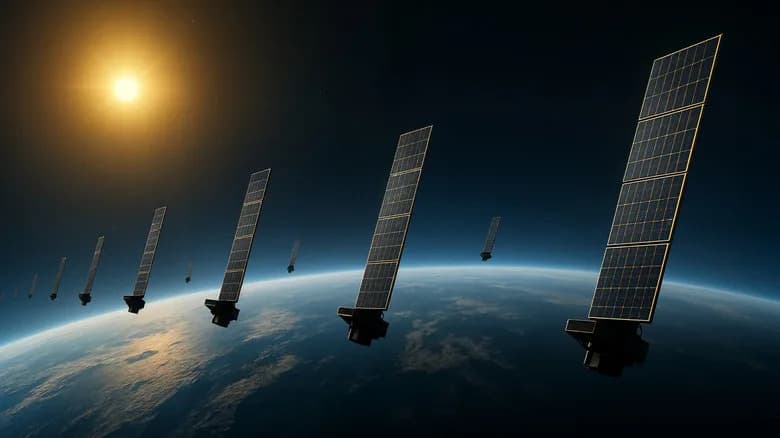
Artist's illustration of two SpainSat NG satellites in space. | Credit: Airbus
Spain's newest military communications satellite, SpainSat NG-2, appears to have been struck by a piece of space debris while en route to its operational slot in geostationary orbit. Indra Group, majority stakeholder in Hisdesat which operates the satellite for Spain's Ministry of Defense, announced the incident on Jan. 2.
What Happened
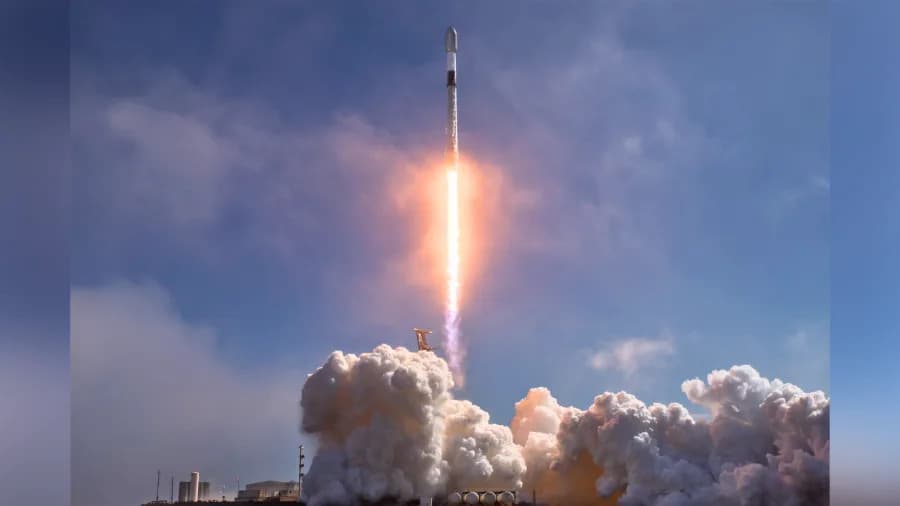
SpainSat NG-2 launched on Oct. 23 aboard a SpaceX Falcon 9 from Cape Canaveral Space Force Station. The Airbus-built satellite is the second in a two-satellite system valued at roughly 2 billion euros and was intended to complete a secure government communications constellation. While transferring to its final geostationary position, the satellite was reportedly struck by a 'space particle' — a term commonly used for a piece of orbital debris or a micrometeoroid.
Status And Response
Indra Group reported the impact occurred at an altitude of approximately 31,000 miles (50,000 kilometres), notably above the geostationary belt at about 22,236 miles (35,786 km). Hisdesat has activated contingency plans to protect Ministry of Defense services while engineers review telemetry and tracking data to determine the extent of the damage.
Indra Group: 'Hisdesat implemented a contingency plan to ensure that the Ministry of Defense and other clients are not affected. The technical team is analyzing the available data to determine the extent of the damage. If necessary, SpainSat NG-2 will be replaced as soon as possible.'
Background And Implications
The impact altitude being above GEO raises questions about the source and distribution of debris in higher orbits and highlights the vulnerability of satellites during orbital transfer phases. SpainSat NG-1, the constellation partner, launched earlier and reached its operational orbit. Together the pair are a major investment by Airbus and the Spanish government to secure military and governmental communications across Europe.
At this stage the timeline for a full damage assessment and any decision on replacement or recovery remains uncertain. The incident underscores growing concerns about orbital debris and the operational risks it poses to high-value spacecraft.
Help us improve.