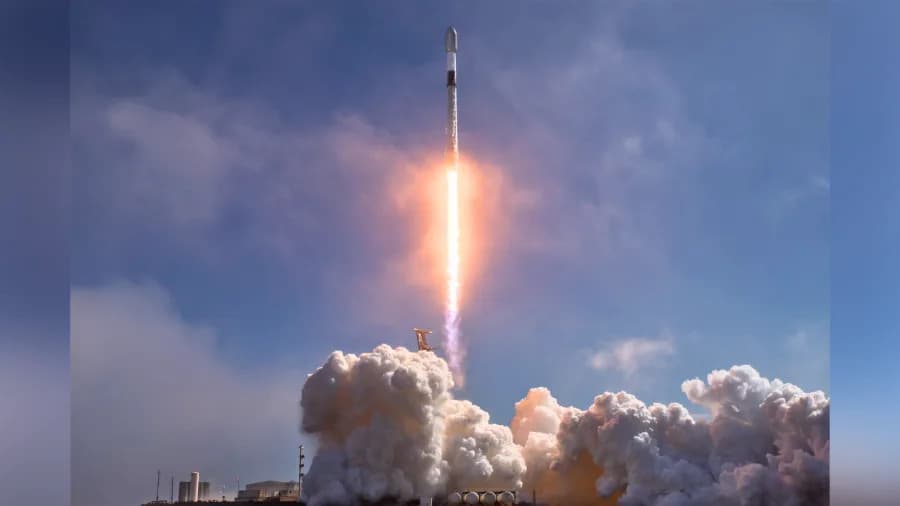
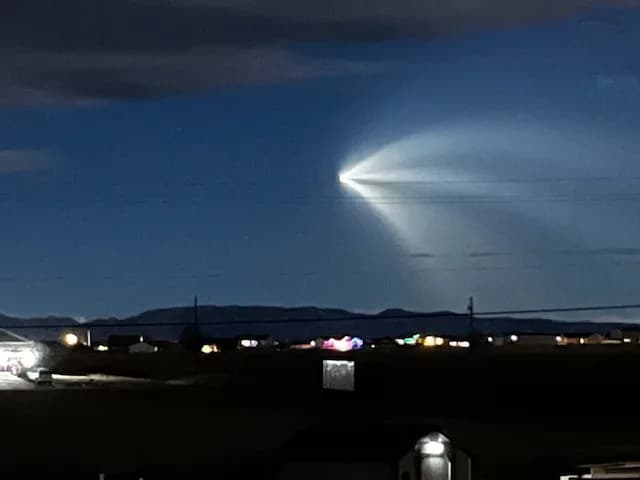
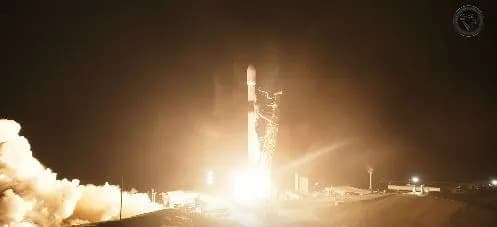
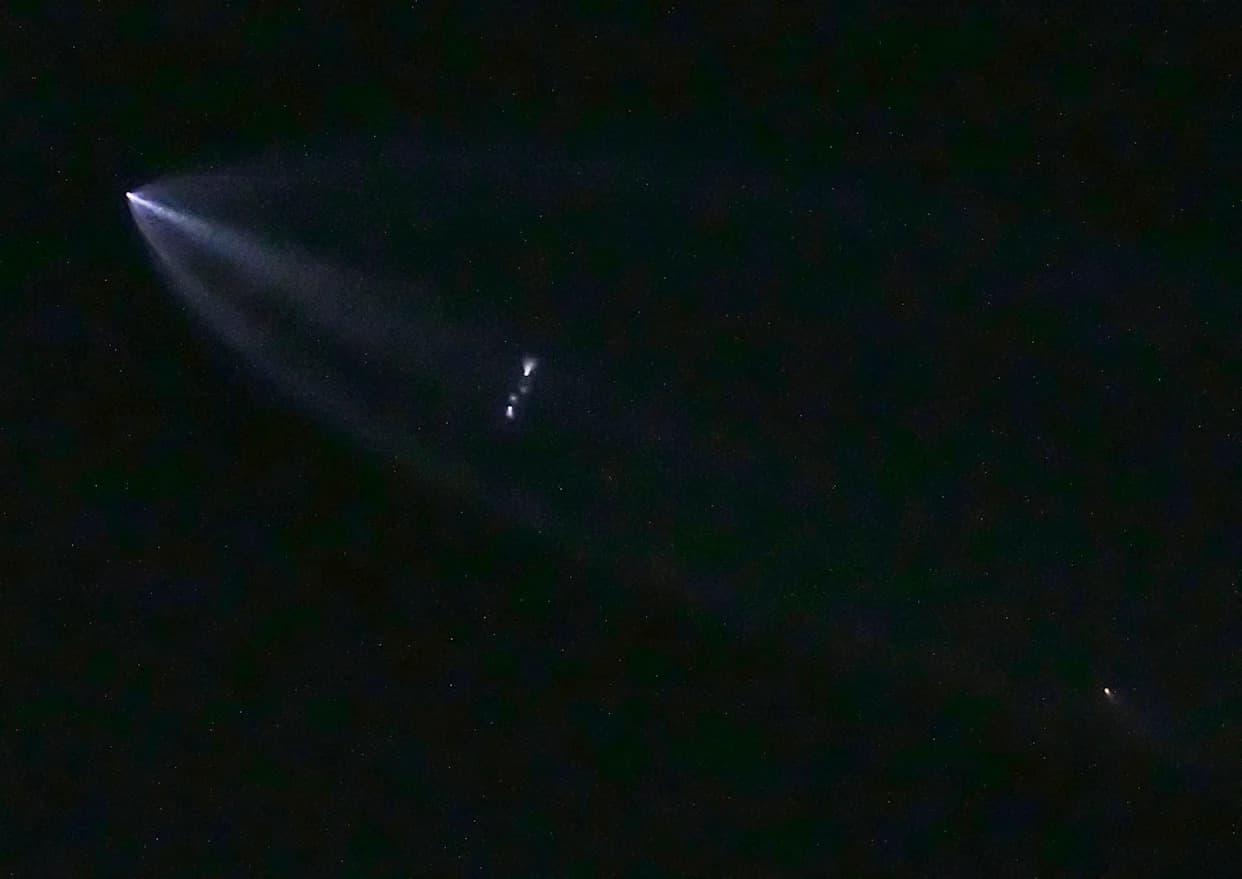
SpaceX’s Falcon 9 launched the COSMO-SkyMed Second Generation satellite from Vandenberg shortly after 7 p.m. MT on Jan. 2, a mission flown for the Italian Space Agency and the Italian Ministry of Defence. Residents across the Borderland and the Southwest reported seeing a bright, comet-like streak as the rocket passed overhead. The satellite was placed into a circular sun-synchronous orbit for consistent imaging, and the booster — on its 21st flight — is expected to land back at Vandenberg.
SpaceX Falcon 9 Lights Up Borderland Sky During Jan. 2 Vandenberg Launch
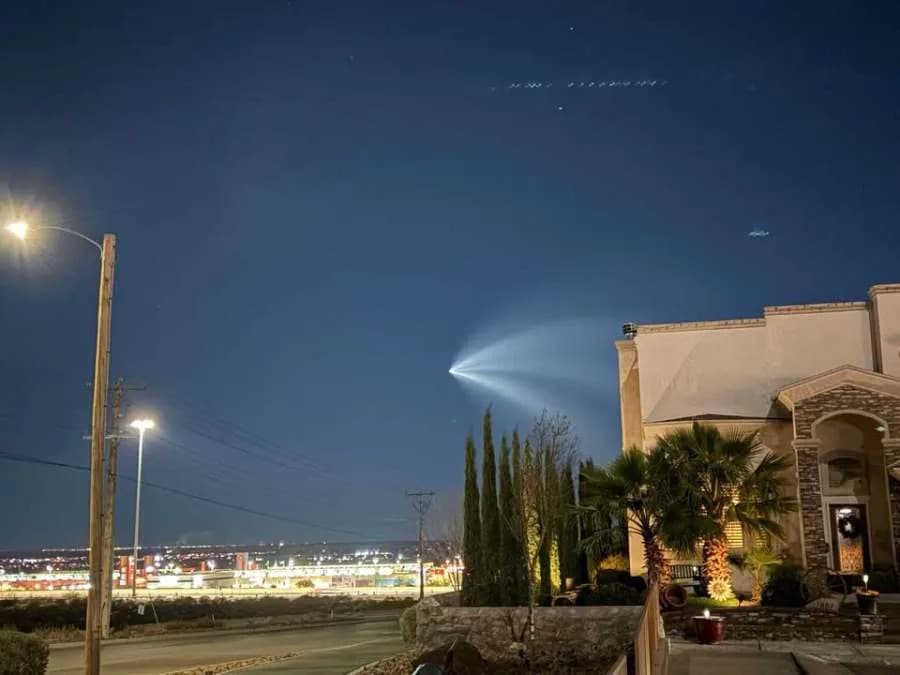
SpaceX launch sighting across Borderland
EL PASO, Texas — Residents across the Borderland and the broader Southwest reported a bright, comet-like streak after SpaceX’s Falcon 9 launched the COSMO-SkyMed Second Generation earth-observing satellite shortly after 7 p.m. MT on Friday, Jan. 2.
What Viewers Saw
Local viewers sent photos and videos showing a luminous streak moving across the night sky as the rocket passed overhead. Many described the sight as resembling a comet or a glowing band of light.
Launch Details
The Falcon 9 lifted off from Vandenberg Space Force Base — located more than 60 miles west of Santa Barbara, California — and climbed on a southbound trajectory, according to a Spaceflight Now livestream. SpaceX said the mission carried the COSMO-SkyMed Second Generation satellite for the Italian Space Agency and the Italian Ministry of Defence.
Orbit And Purpose
The vehicle placed the satellite into a circular sun-synchronous orbit. NASA describes a sun-synchronous orbit as one in which “whenever and wherever the satellite crosses the equator, the local solar time on the ground is always the same.” That consistent lighting makes it easier to compare imagery taken at different times without large changes in illumination.
Booster And Recovery
This flight marked the 21st mission for the rocket’s first-stage booster, which previously supported missions including Crew-7, CRS-29, PACE, Transporter-10, EarthCARE, NROL-186, Transporter-13, TRACERS, NROL-48 and multiple Starlink missions. SpaceX said the booster is expected to return to a landing zone at Vandenberg.
Reporting courtesy of KTSM 9 and SpaceX; footage referenced from a Spaceflight Now livestream.
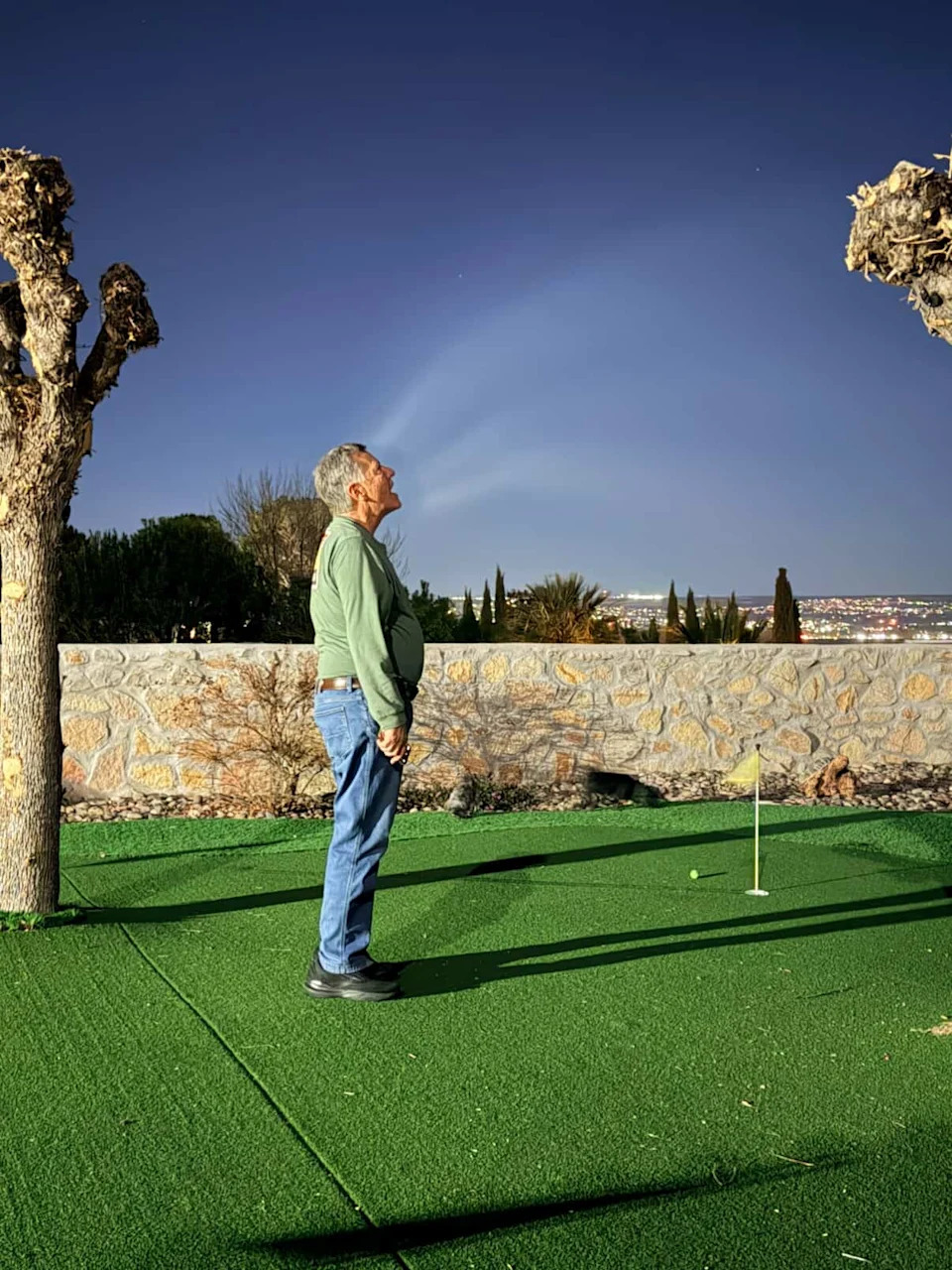
KTSM 9 viewer Joe Alvarez enjoying the rocket show! Photo courtesy of nikkia07_na via Instagram
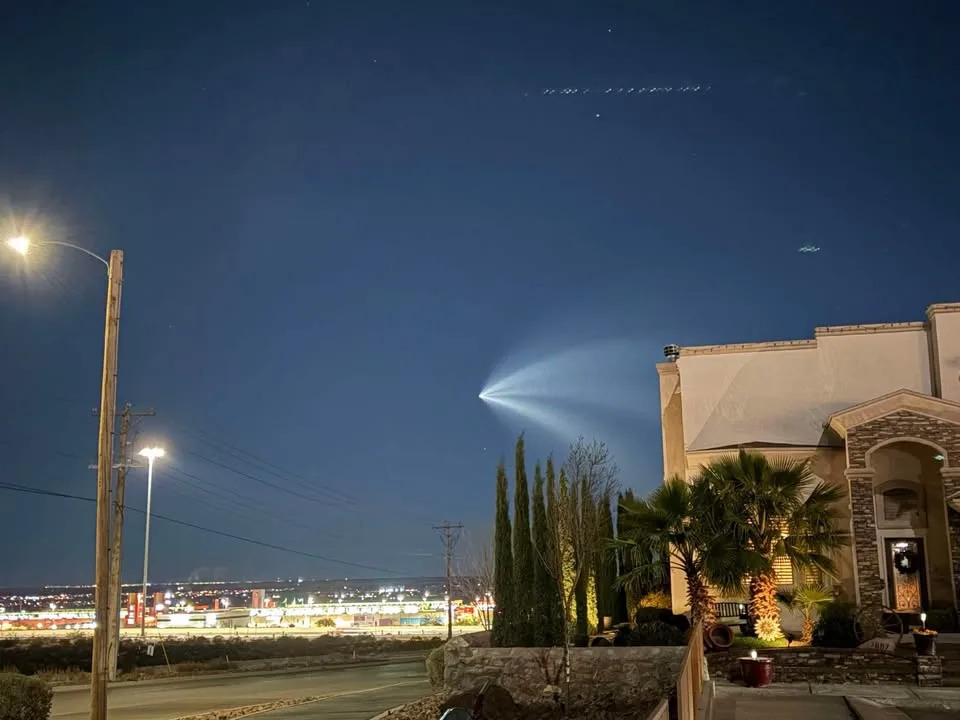
Photo courtesy of Chloe Franicevich
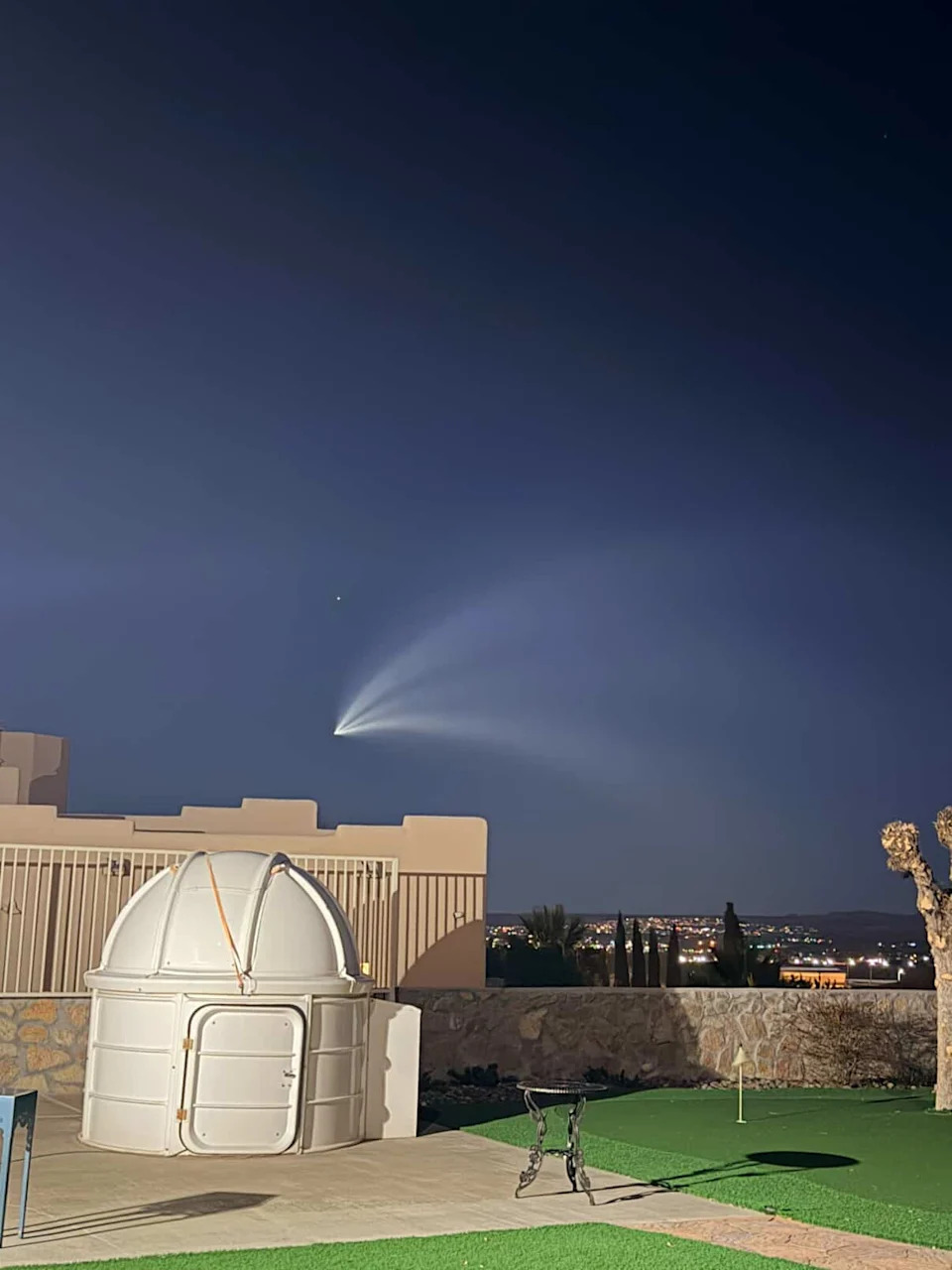
Photo courtesy of nikkia07_na via Instagram
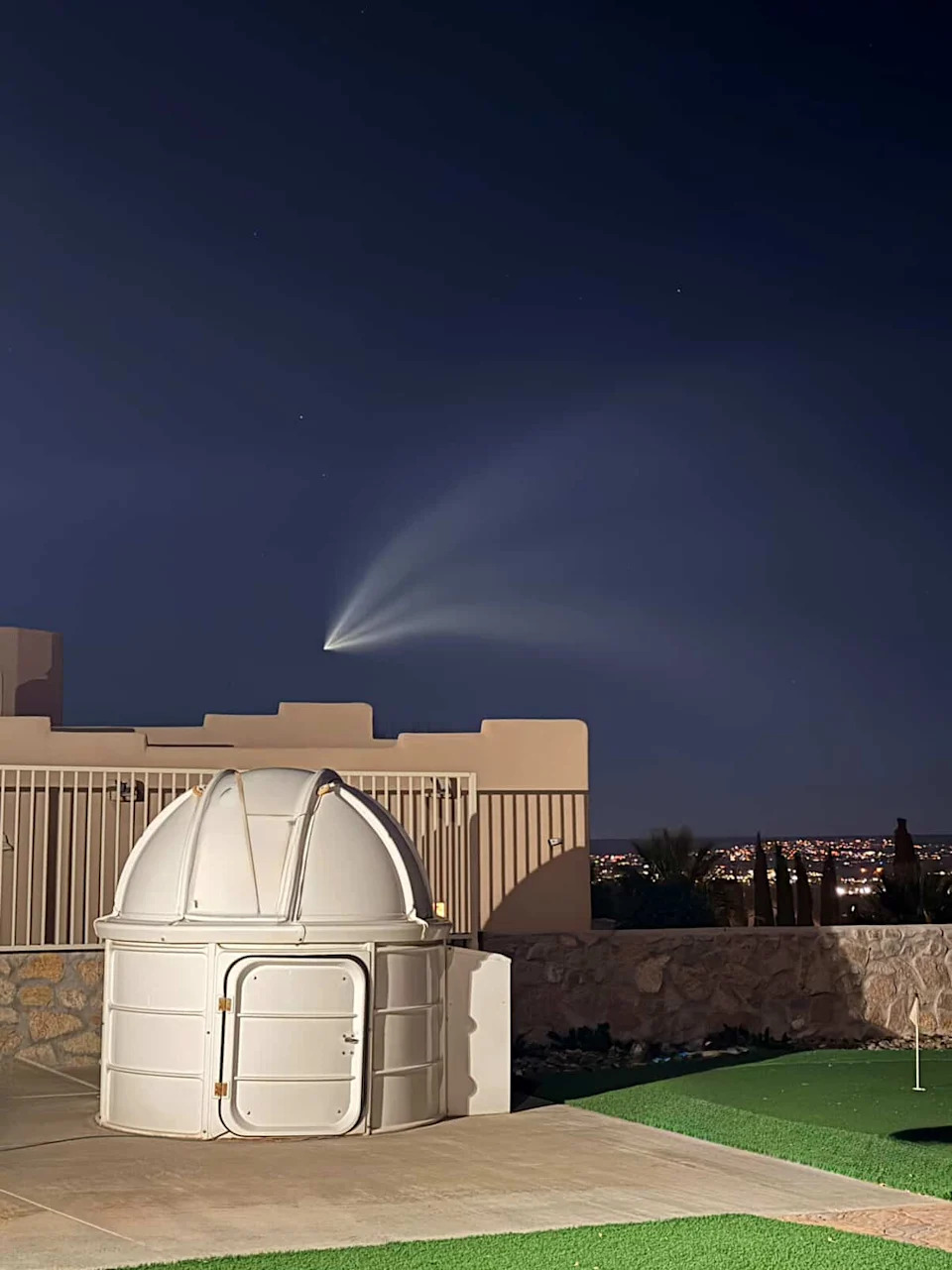
Photo courtesy of nikkia07_na via Instagram
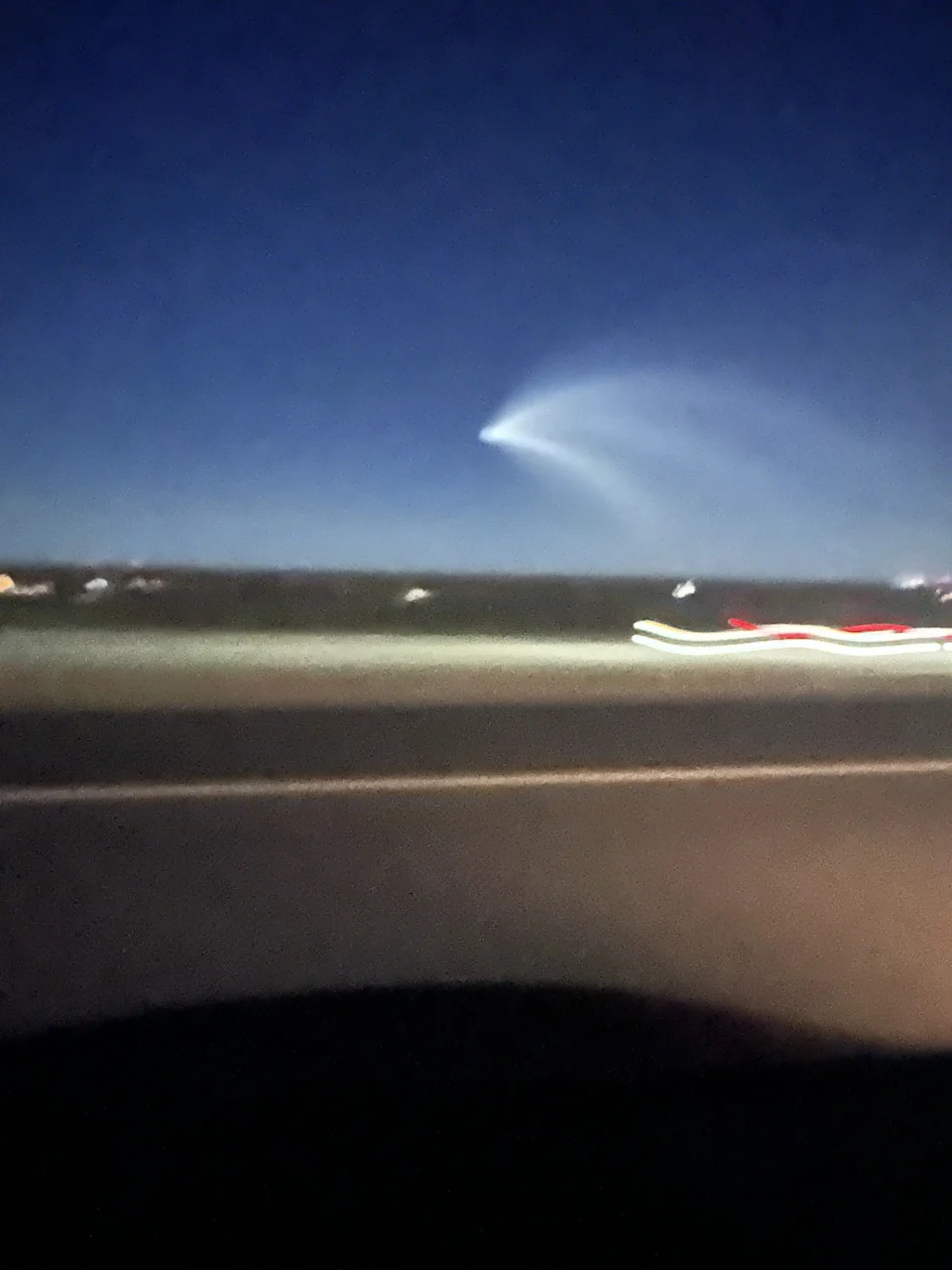
Photo courtesy of Matthew Soto.
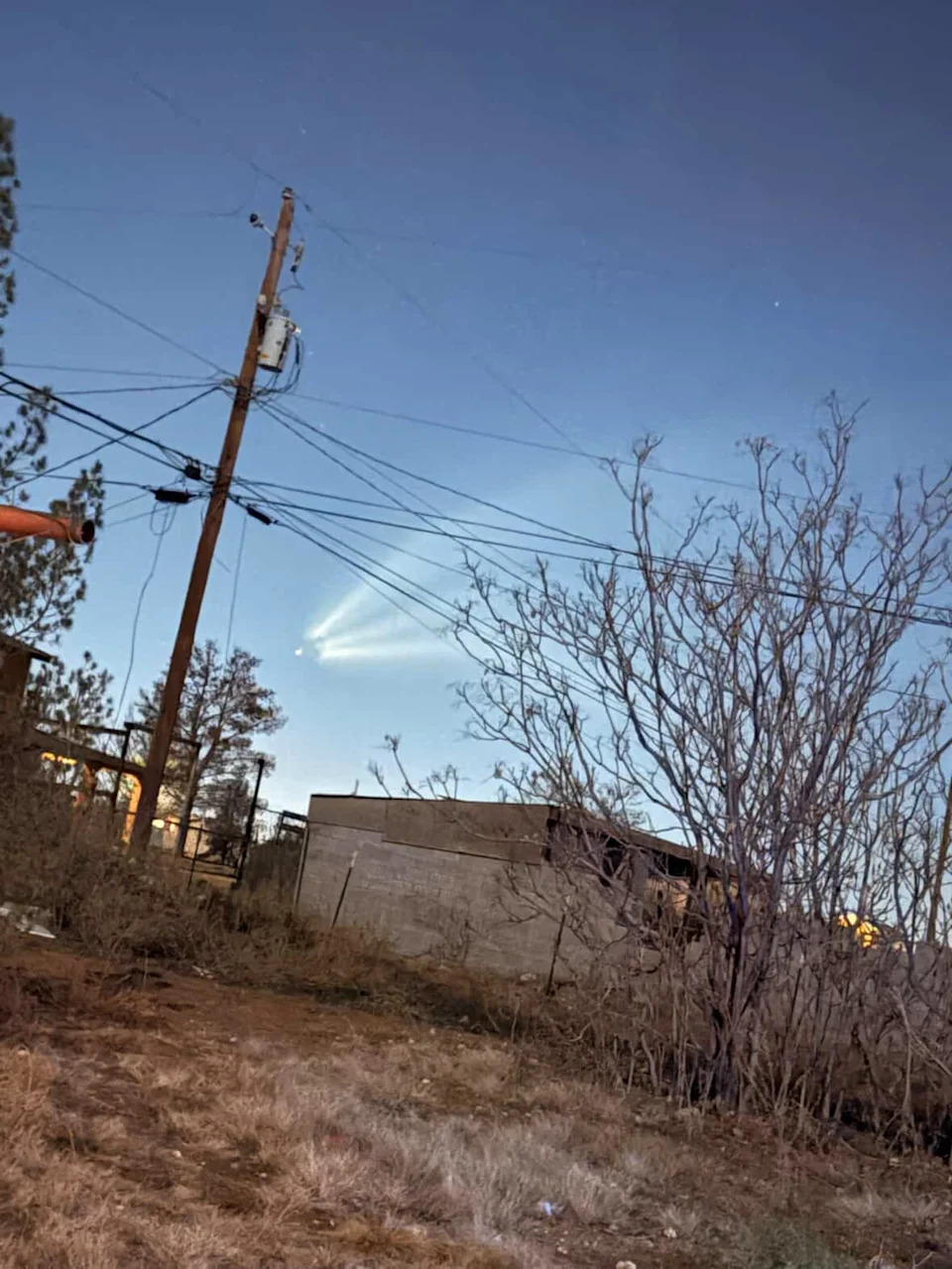
Photo courtesy of KTSM 9 viewer
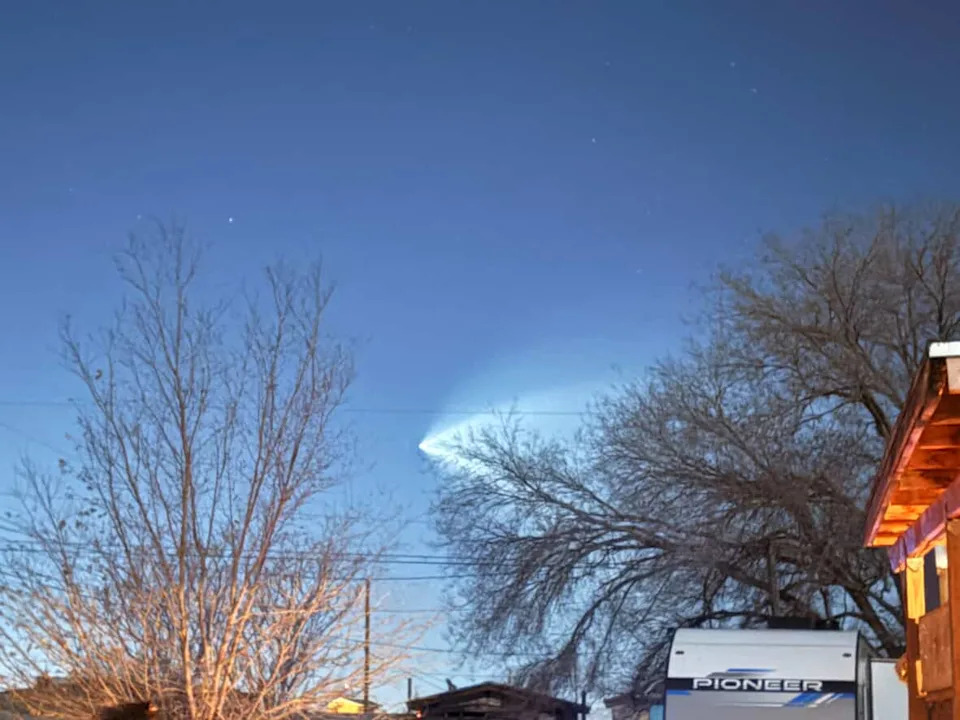
Photo courtesy of KTSM 9 viewer
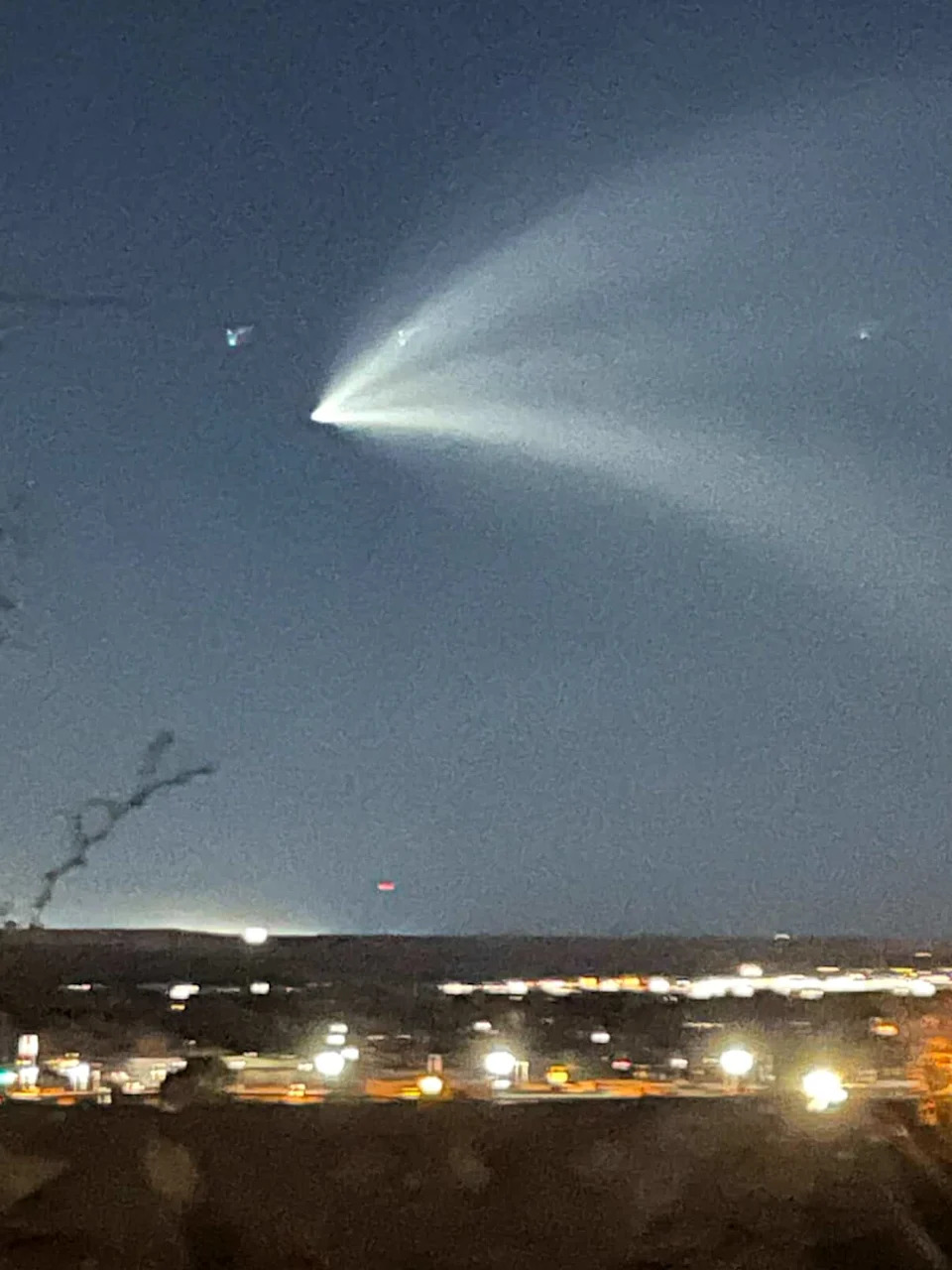
Photo courtesy of Christopher Rodriguez
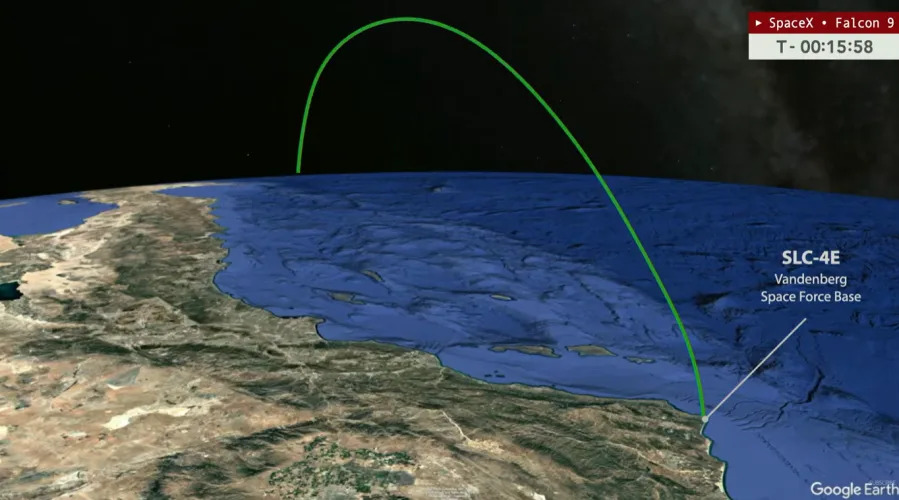
Falcon 9 launch trajectory. Courtesy of Spaceflight Now
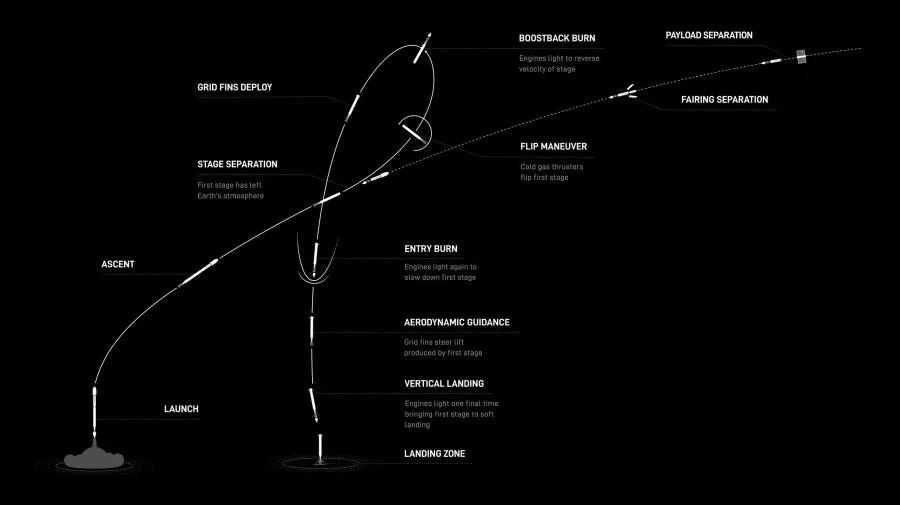
Courtesy of SpaceX.
Help us improve.