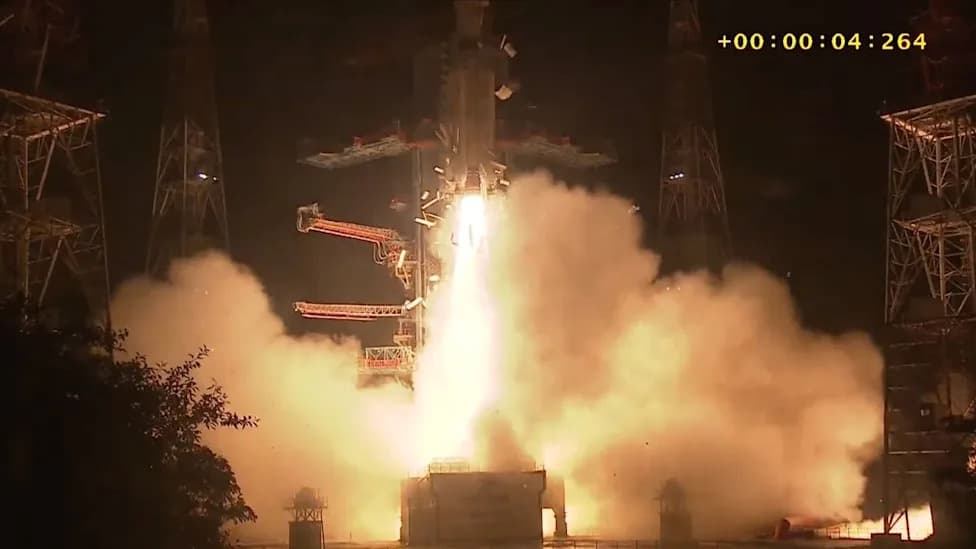
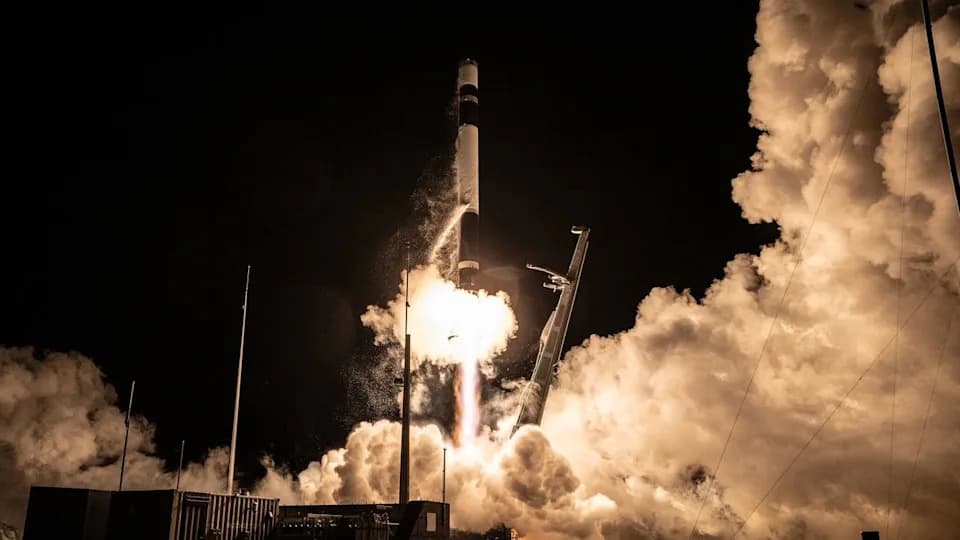
The PSLV is scheduled to return to flight Jan. 11 (11:47 p.m. EST / 0447 GMT / 10:17 a.m. IST Jan. 12) from Satish Dhawan Space Centre, carrying the EOS‑N1 (Anvesha) hyperspectral satellite and 15 secondary payloads. EOS‑N1 is expected to provide hyperspectral imagery for intelligence and military surveillance. Secondary payloads include international Earth‑observation spacecraft, an in‑orbit refueling demo, and a Spanish reentry capsule (KID) that will splash down in the South Pacific. Live coverage begins ~30 minutes before liftoff via Space.com and ISRO.
PSLV Returns To Flight: India To Launch EOS‑N1 (Anvesha) Hyperspectral Military Satellite — Watch Live Jan. 11
Credit: ISRO
A powerful Indian rocket is scheduled to return to flight on the night of Jan. 11, carrying a military-grade hyperspectral satellite and 15 secondary payloads. The Polar Satellite Launch Vehicle (PSLV) is set to lift off from the Satish Dhawan Space Centre at 11:47 p.m. EST (0447 GMT; 10:17 a.m. IST on Jan. 12).
Watch Live: Space.com will carry ISRO's live feed, and ISRO will also stream the launch directly. Coverage begins about 30 minutes before the planned liftoff.
Mission Overview
The PSLV is a four-stage launcher introduced in 1993 and known for a long string of successful missions. This flight is the vehicle's first since a May 2025 failure that destroyed ISRO's EOS-09 Earth-observing satellite — the third recorded PSLV anomaly in 63 launches. Despite that setback, the rocket has flown many high-profile payloads, including Chandrayaan-1 (2008), the Mars Orbiter Mission (2013) and Aditya-L1 (2023).
Primary Payload: EOS-N1 (Anvesha)
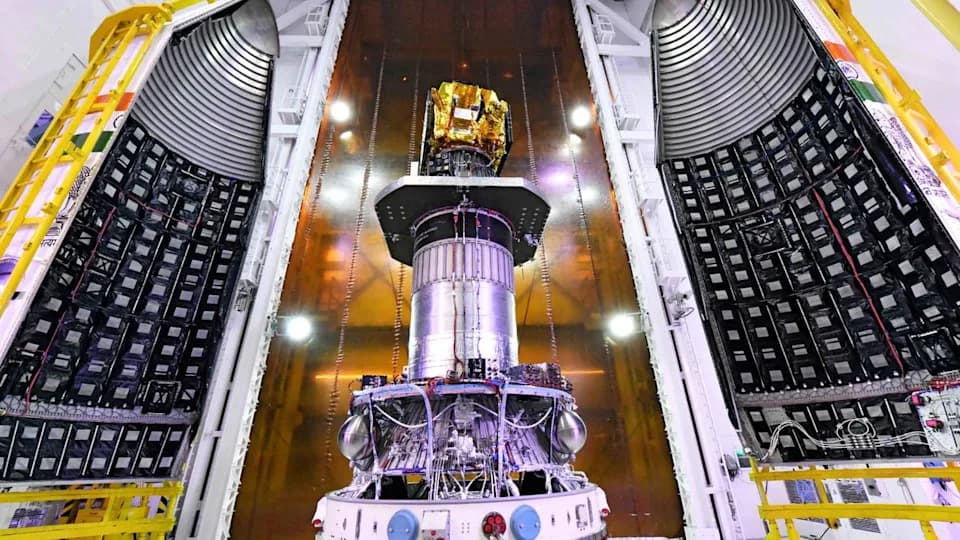
EOS-N1, also called Anvesha, is reported by multiple sources to be a hyperspectral Earth-observation satellite. Hyperspectral sensors capture imagery across hundreds of narrow wavelength bands, enabling detailed analysis of surface materials, vegetation, water quality and other signatures. Indian media and analysts expect EOS-N1 to provide intelligence-grade imagery to support military surveillance and situational awareness.
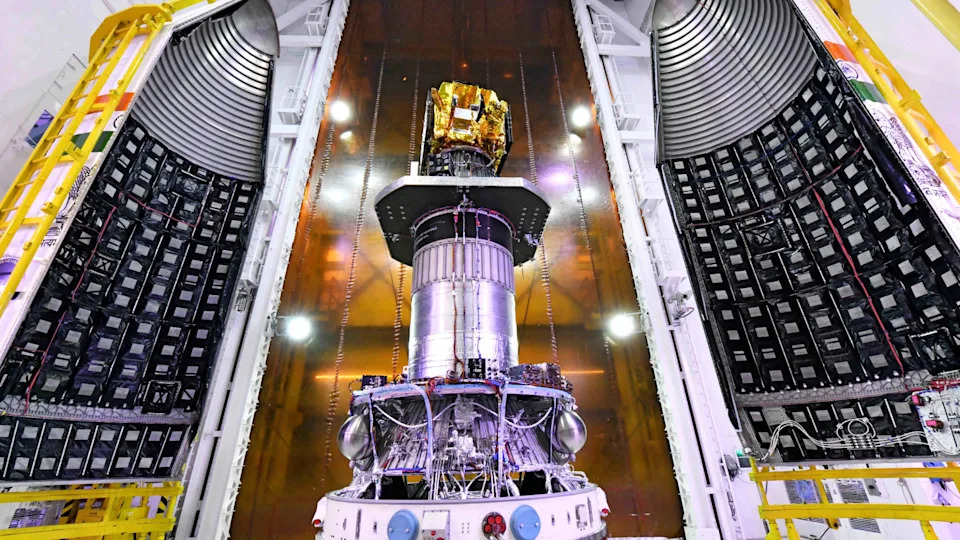
India's EOS-N1 satellite is seen before encapsulation into the fairing of its PSLV rocket. | Credit: ISRO
“The satellite will constantly scan the Earth's surface, sending back images that can generate valuable intelligence,” wrote The Tribune.
Secondary Payloads And Technology Demonstrations
The PSLV's manifest includes a diverse mix of international and commercial payloads: a Thai–U.K. Earth-observation satellite, a Brazilian craft designed to assist distressed fishing vessels, an in-orbit refueling demonstration by an Indian company, and a reentry capsule from Spanish startup Orbital Paradigm.
All secondary spacecraft are targeted for low Earth orbit (LEO) except one: the reentry capsule, known as KID (Kestrel Initial Technology Demonstrator). KID is scheduled to separate from the PSLV's fourth stage late in the mission and perform a controlled reentry and splashdown in the South Pacific.
Commercial And Program Context
This launch is being conducted as the ninth commercial mission organized by NewSpace India Limited (NSIL), ISRO's commercial arm, highlighting the agency's growing role in international and commercial launch services.
Why This Flight Matters: The mission will test the PSLV's reliability following a high-profile failure last year, deploy an advanced hyperspectral sensor expected to expand India’s military and civilian remote-sensing capabilities, and demonstrate multiple commercial technologies — including in-orbit refueling and a recoverable reentry capsule.
Live viewers should tune in about 30 minutes before the scheduled liftoff to follow the countdown and hear mission commentary from ISRO and partners.
Help us improve.