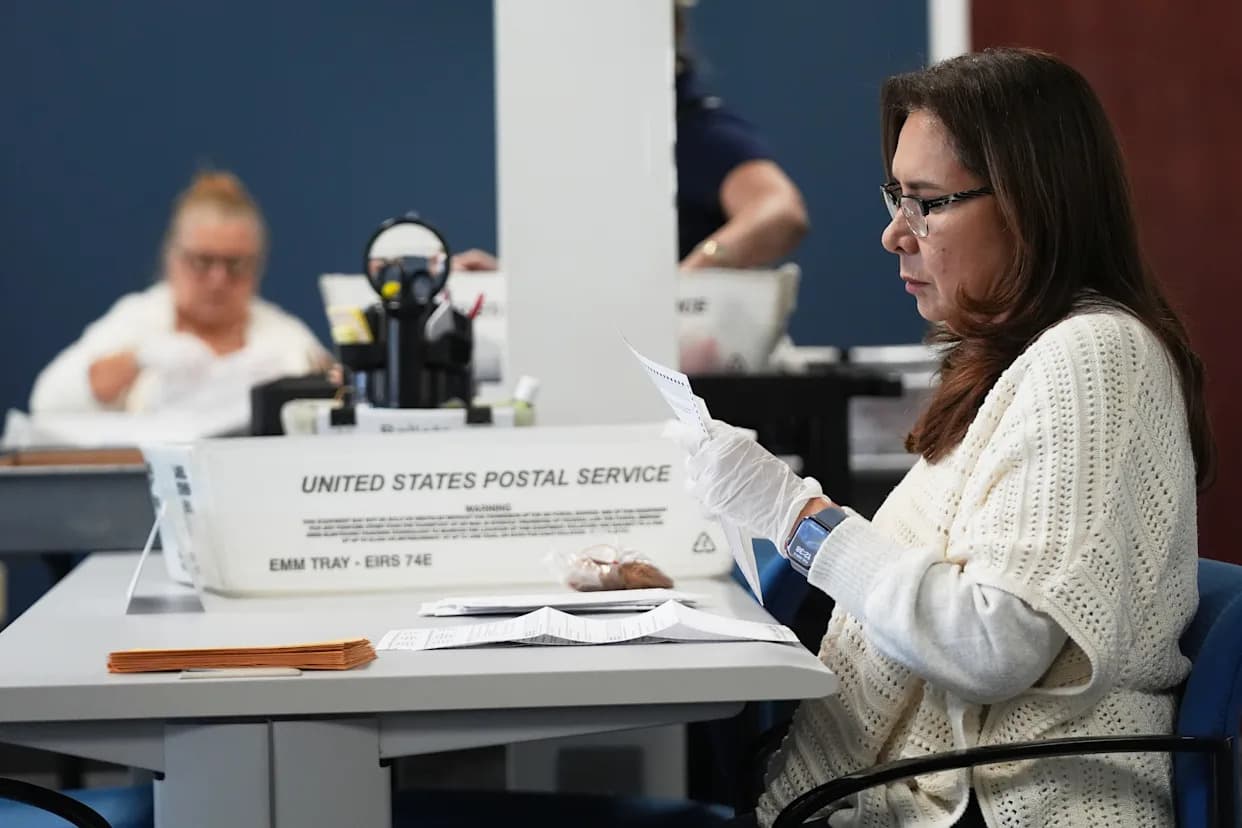
PostNord completed its final letter delivery on Dec. 30, ending a Danish postal tradition that began in 1624. The 2025 restructuring plan—driven by a 94% drop in letter volumes since 2000—also includes cutting 1,500 jobs and removing 1,500 red postboxes. PostNord will continue parcel deliveries while private firm Dao will handle letters, a move that has raised concerns about accessibility for non‑digital citizens.
Denmark’s PostNord Delivers Final Letter, Ending a 400‑Year Postal Tradition
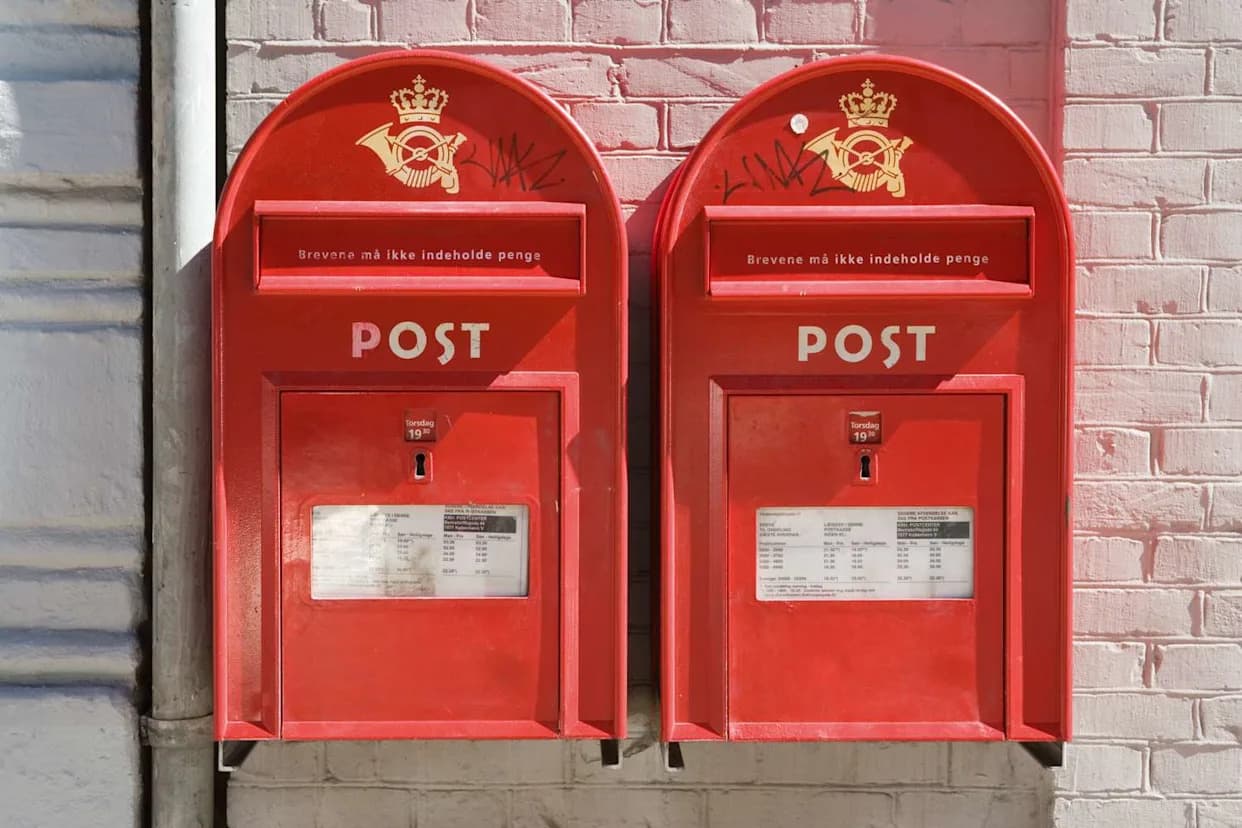
Education Images/Universal Images Group via GettyDenmark has ended its 400-year tradition of delivering letters through its national postal service.
Denmark’s state postal operator, PostNord, completed its last letter delivery on Dec. 30, bringing to a close a postal tradition that began in 1624 and lasted more than four centuries.
Why the Change Happened
The decision to end regular letter deliveries in Denmark was announced as part of a 2025 restructuring plan that also includes cutting 1,500 jobs and removing 1,500 of the country’s iconic red postboxes. PostNord cited rapid digitalization and a steep drop in demand: letter volumes in 2024 were 94% lower than in 2000.
Andreas Brethvad, PostNord Denmark’s director of public affairs and communications, told CNN: “Physical letters no longer serve the same purpose. Almost every Dane is fully digital. Most communication now arrives in our electronic mailboxes, and e‑commerce and the parcel market far outweigh traditional mail.”
What Will Change For Residents
PostNord will continue to deliver parcels in Denmark and will still provide letter-delivery services in Sweden. In Denmark, private firm Dao has stepped in to handle letters. Under Dao’s model, customers can either drop off letters at Dao shops or pay an extra fee for home pickup.
Advocates for older or non-digital citizens have warned that Dao’s reliance on digital payment and digital ordering could leave some people behind. Marlene Rishoej Cordes, a spokesperson for the DaneAge Association, told CNN that while many Danes find it “very easy” to access mail via phone or web, the shift risks reducing comparable options for those who are not online.
Broader Context
The end of letter delivery by Denmark’s state operator reflects a wider global trend: rising parcel volumes driven by e‑commerce and falling letter traffic as societies move toward electronic communications. For Denmark, the change marks the end of a service that had been in place since the early 17th century.
What To Watch: How Dao expands its network and whether policymakers or community groups introduce measures to protect access for digitally excluded citizens will determine how smoothly the transition proceeds.
Help us improve.