The author argues that the unalienable rights named in the Declaration of Independence — life, liberty, and the pursuit of happiness — require environmental preconditions such as clean air, water, fertile soils, and a stable climate. He documents mounting evidence that those preconditions are failing: planetary vital signs are deteriorating, pollution causes tens of thousands of premature deaths in the U.S., and many communities are concentrated 'sacrifice zones.' The piece urges citizens to treat environmental protection as central to civil rights and to make it a focus of upcoming elections.
Our Unalienable Right to a Healthy Planet — How Did It Become Political?
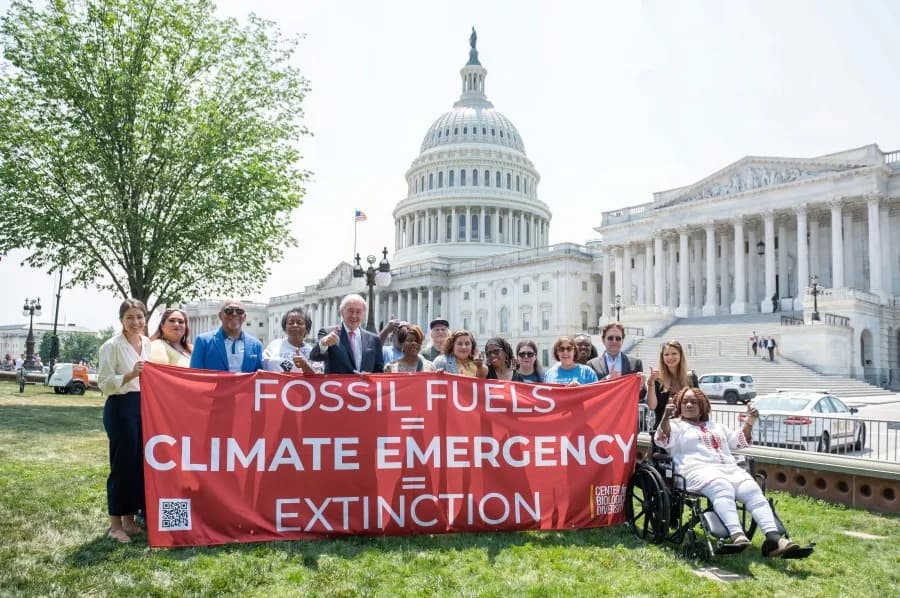
Next summer marks the 250th anniversary of the Declaration of Independence — a moment to ask why the basic environmental conditions that make life possible have become a partisan battleground. The Declaration names three unalienable rights: Life, Liberty, and the Pursuit of Happiness. Each presupposes preconditions — clean air and water, fertile soils, and a stable climate — that modern policy too often treats as commodities to sell rather than public goods to protect.
The U.S. Constitution sets the structure of government; the Declaration addresses its moral purpose. As the Declaration states, these rights are endowed by 'the Laws of Nature and Nature's God' and exist independent of market forces or political expediency. When government fails to secure those conditions, citizens are left without the means to enjoy the very rights the nation was founded to protect.
Environmental Preconditions Are Fundamental. In 1776, many natural resources in North America appeared abundant and relatively unspoiled. After more than a century of industrialization, that is no longer true. Today the health of human communities is tightly linked to the health of ecosystems.
Around 40 countries have placed rights of nature into law or constitutions, and more than 80 countries recognize the rights of future generations in their constitutions. These steps reflect a recognition that no generation should diminish the prospects for those yet to be born.
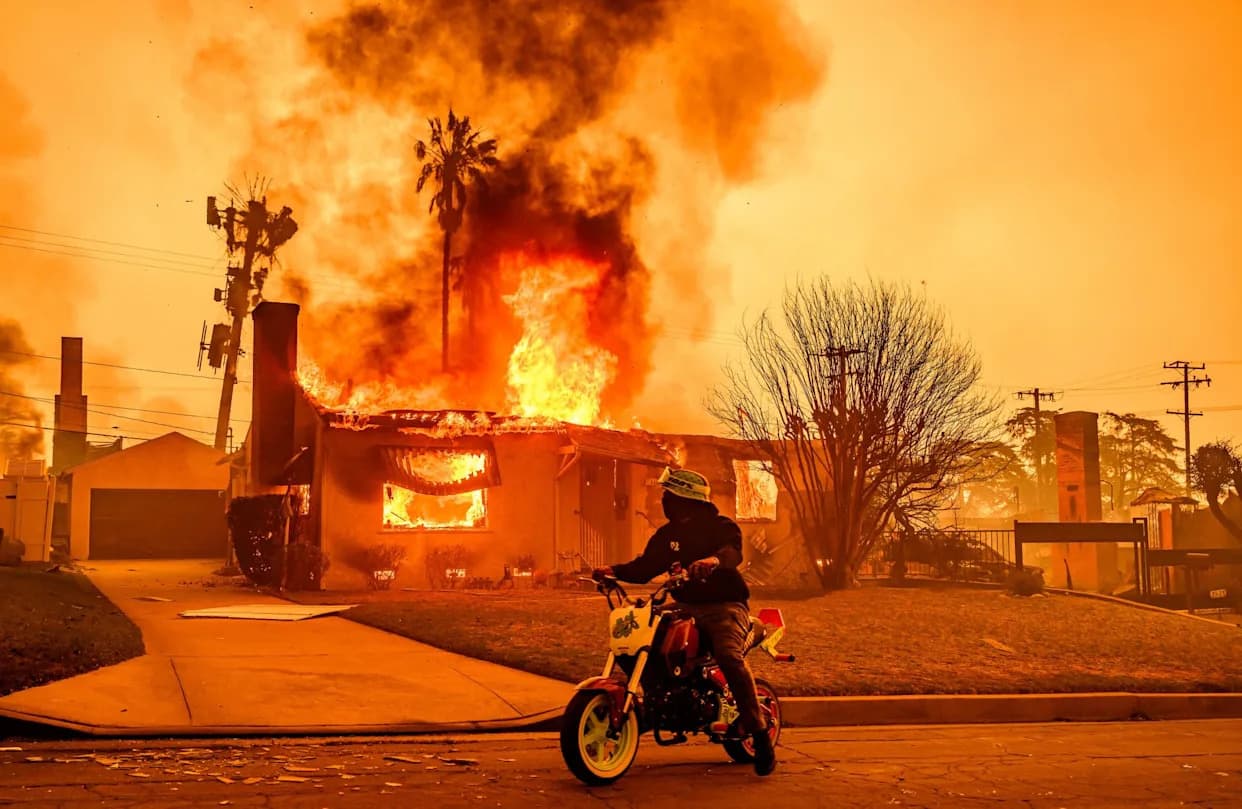
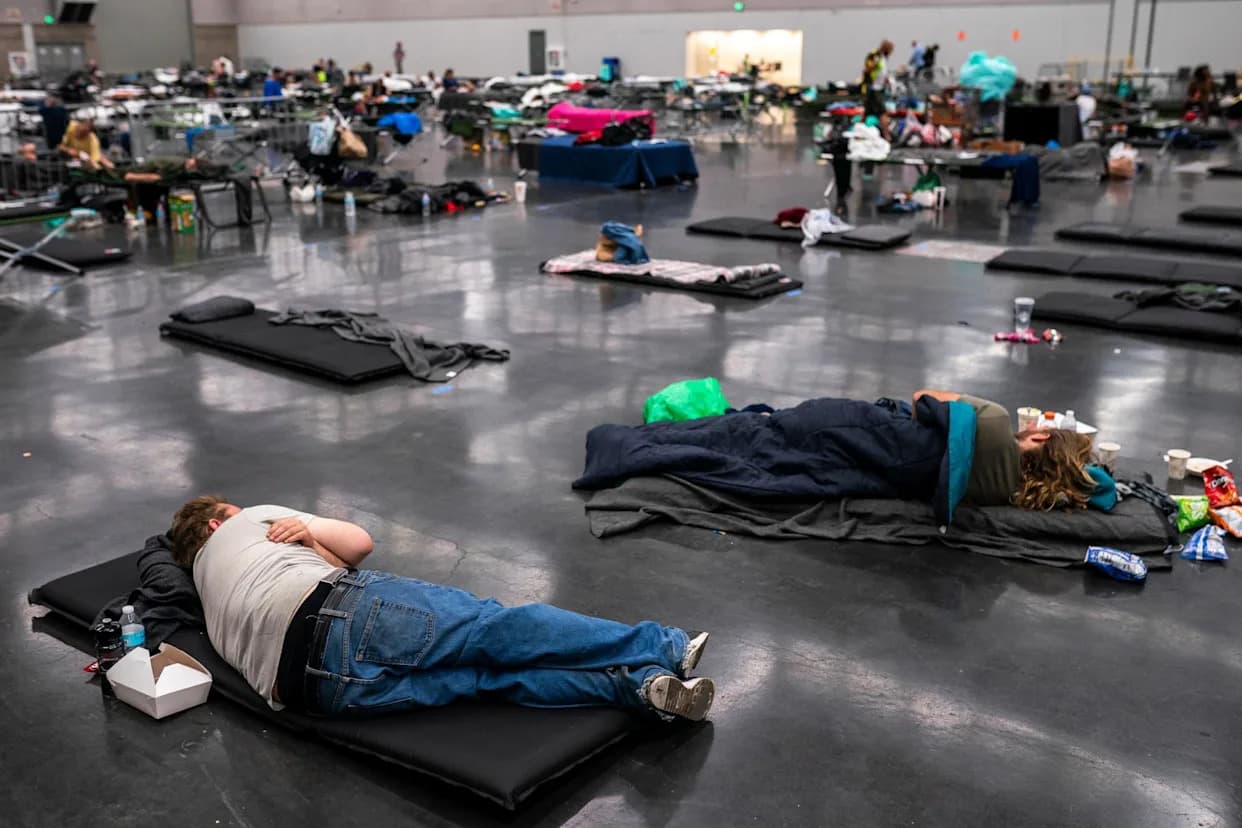
The Evidence of Harm Is Clear. Scientists report that 22 of 34 planetary 'vital signs' are 'flashing red'. The Earth is undergoing mass extinction driven largely by human activity. Nearly half of Americans live in places where air pollution makes breathing hazardous. Toxic emissions from oil and gas production are estimated to cause 91,000 premature deaths in the U.S. each year, along with 1,600 cases of cancer and 216,000 new cases of childhood asthma annually. Roughly 7 million Americans are exposed to persistent 'forever chemicals' in drinking water, and at least 250,000 Americans live in concentrated 'sacrifice zones' where industry and toxins raise cancer rates and degrade quality of life.
Researchers also warn that just 0.5°C of additional warming could triple the land area where temperatures exceed human physiological tolerance — a stark reminder that even small increases in global temperature carry outsized human costs.
Life, Liberty, and the Pursuit of Happiness Are Interconnected. Liberty depends on respect for diversity and the freedom to live according to conscience; the resilience that diversity creates applies to both human communities and ecosystems. The Declaration promises the right to pursue happiness — not happiness guaranteed — but a just society should expand real opportunity for that pursuit with policies such as universal health care, broader access to post-secondary education, pay equity, and consistent protections against racial and gender discrimination.
“Whenever any Form of Government becomes destructive of these ends, it is the Right of the People to alter or to abolish it…” — Declaration of Independence
When government becomes complicit in trading away environmental safeguards to advance narrow financial or political interests, citizens must respond. This is not merely rhetoric: it is a constitutional principle the founders enshrined as the ultimate check on tyranny.
What Now? The coming anniversaries and elections are opportunities to reassert that a healthy environment is not a political luxury but a civic foundation. Voters should ask candidates how they will protect the environmental preconditions of fundamental rights and hold leaders accountable when policy favors profit over public health.
About the author: William S. Becker is co-editor and contributor to Democracy Unchained: How to Rebuild Government for the People, and a contributor to Democracy in a Hotter Time, named by Nature as one of 2023’s five best science books. He previously served as a senior official in the Wisconsin Department of Justice and is executive director of the Presidential Climate Action Project.
Help us improve.