Summary: 2025 brought a dangerous collision of prolonged wars, climate-driven crop failures and large-scale aid cuts, driving mass hunger and displacement. PRIO recorded a post-World War II high of 61 wars in 2024 that persisted into 2025. Save the Children and the WFP report tens to hundreds of millions at risk of severe hunger, while donor withdrawals — including USAID’s effective shutdown — have left key programs underfunded. Humanitarian groups warn steep ration cuts and service losses unless funding and access are restored.
2025: A Turning Point — How War, Climate Shocks and Aid Cuts Crushed Poor Nations

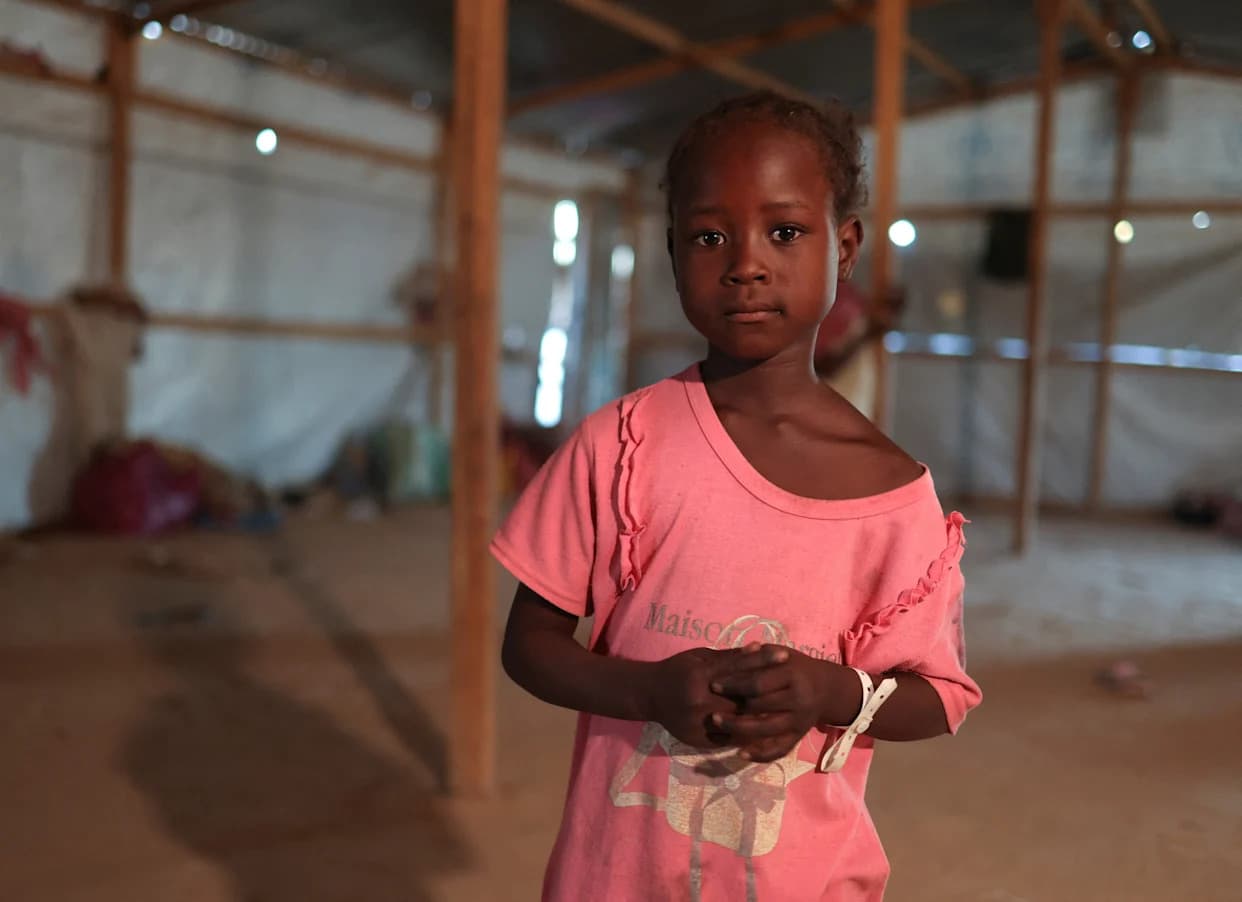
Photo: A displaced Sudanese woman and child who fled El-Fasher after its fall to the Rapid Support Forces stand near a makeshift shelter in the Um Yanqur camp on the southwestern edge of Tawila, western Darfur, Nov. 3, 2025. Credit: AFP/Getty Images
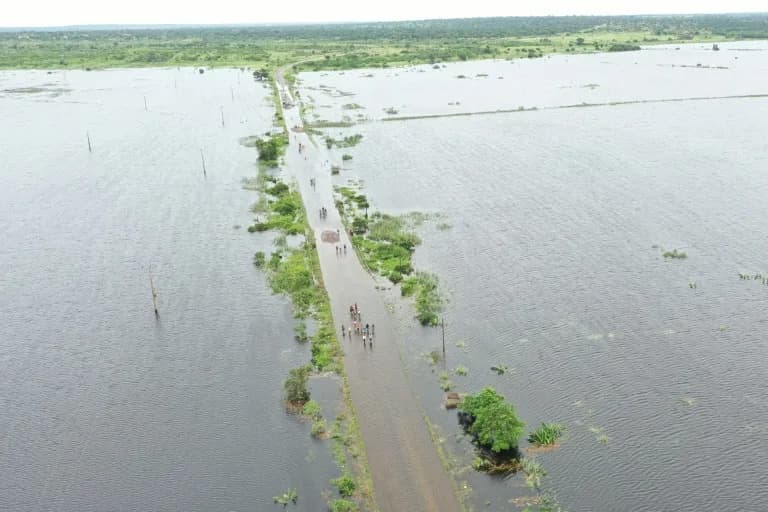
Many aid organizations say the familiar arc toward justice did not hold in 2025. Instead, the year brought a dangerous convergence of prolonged conflict, climate extremes and deep cuts to international assistance — a combination that has pushed millions into hunger, displacement and vulnerability. The International Rescue Committee (IRC) has described the moment as "a new world disorder."
Rising Conflict and the Breakdown of Peace
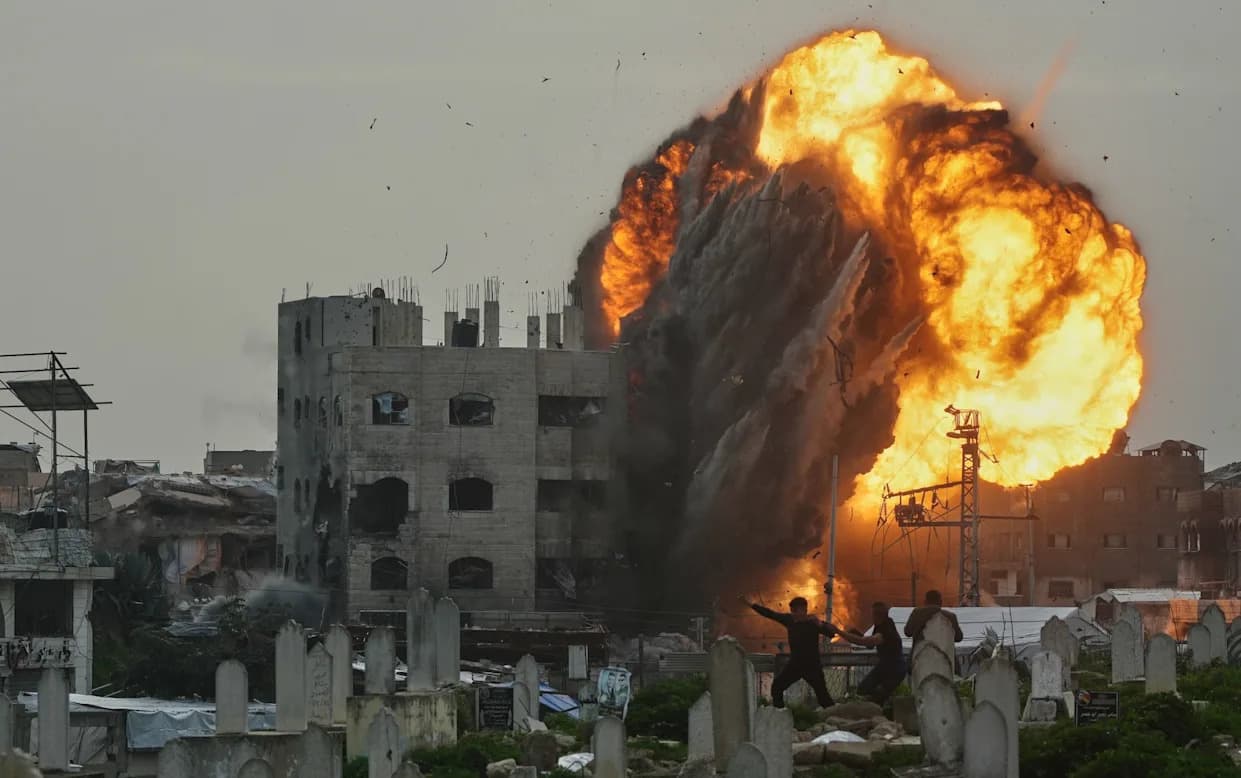
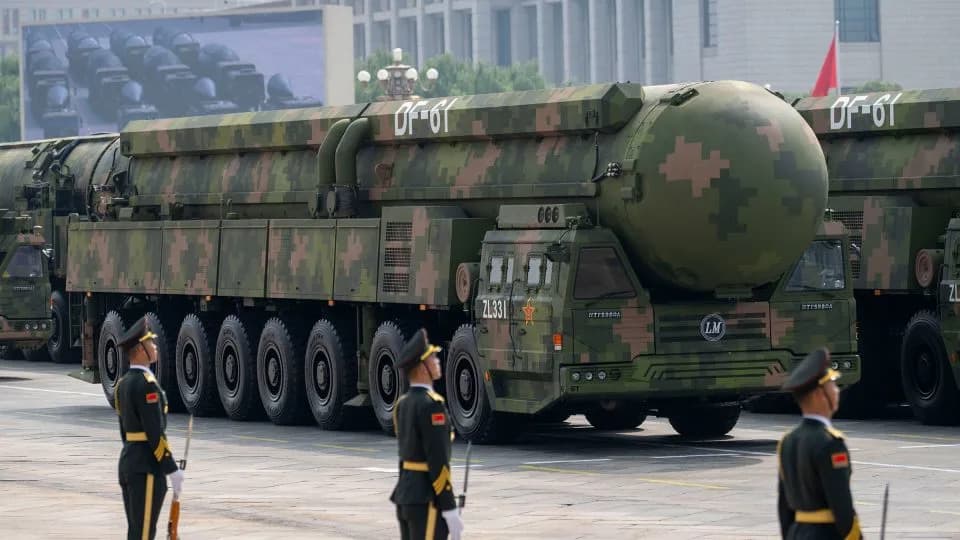
According to the Peace Research Institute Oslo (PRIO), 2024 saw 61 wars across 36 countries — the most since World War II — and most of those conflicts persisted or worsened in 2025. Aid workers warn that extended fighting increases costs and desperation, creating openings for opportunistic actors to trade weapons or cash for access to natural resources or land at suppressed prices, and then obstruct peace efforts.
Famine, Food Insecurity and Displacement
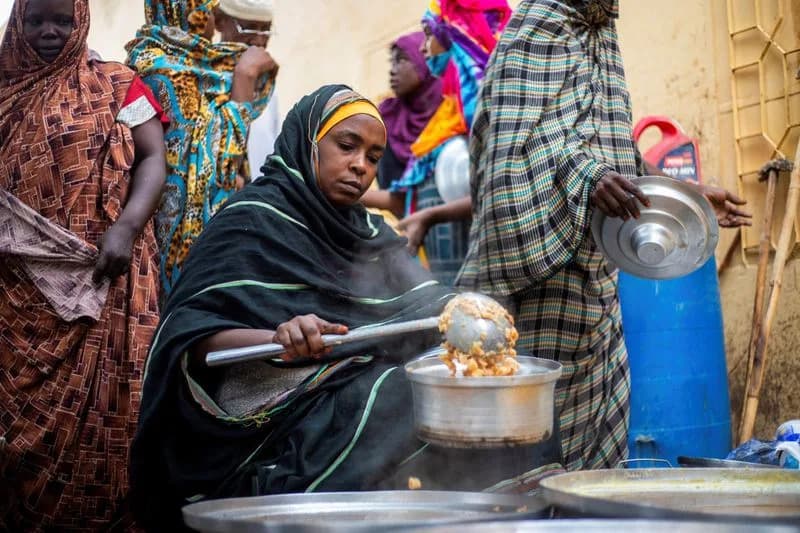
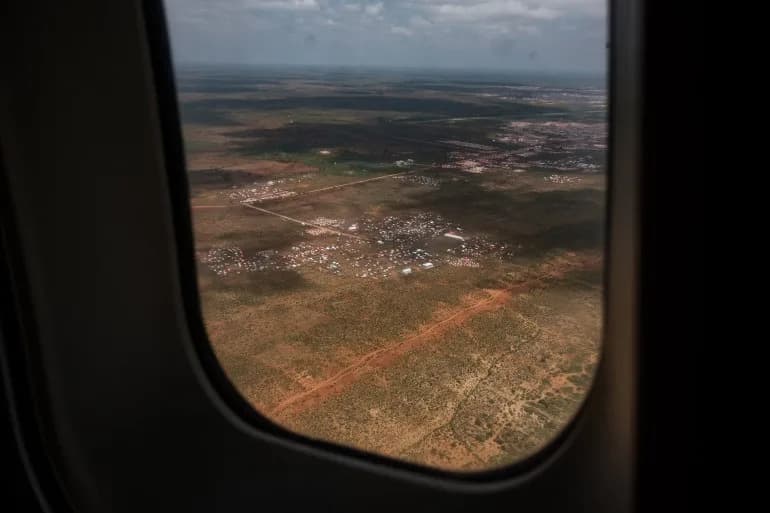
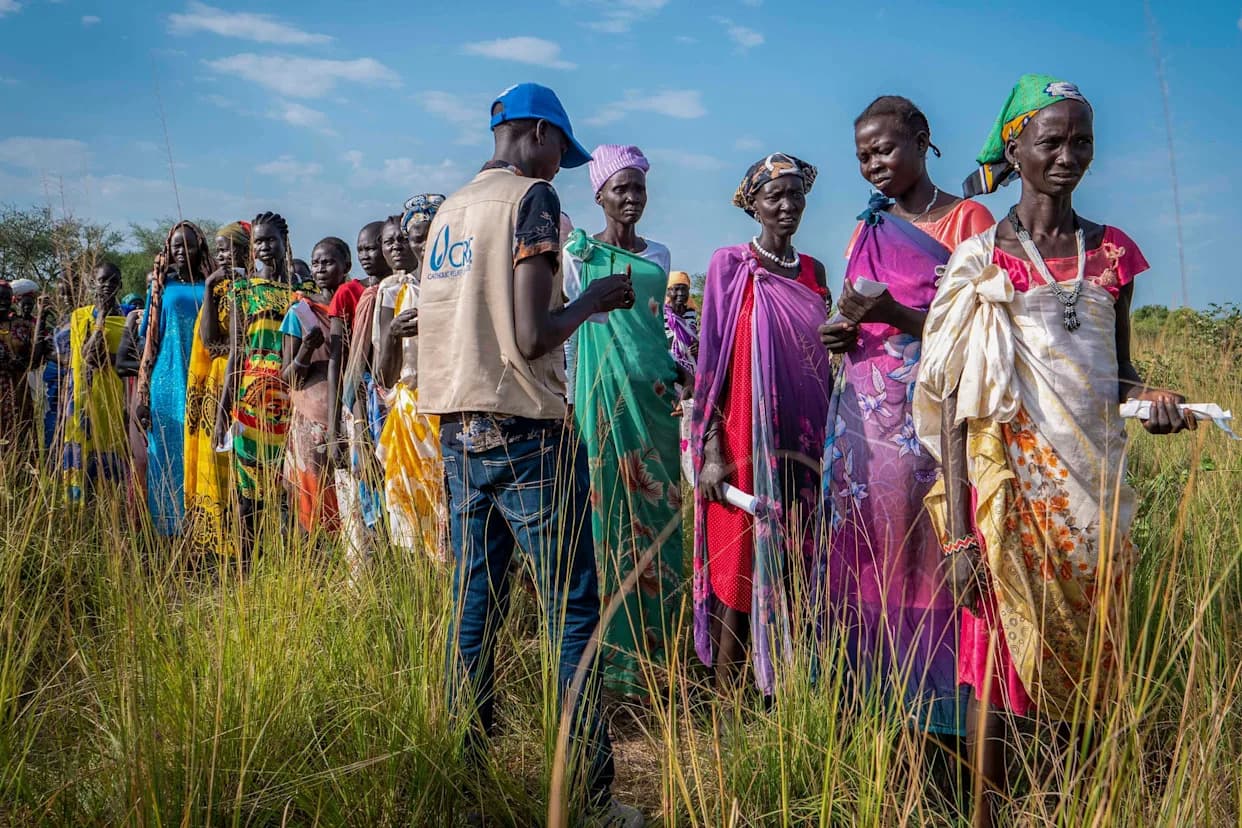
Violence has forced millions away from farms and markets, deepening food shortages. Save the Children reports that 60 million children were left starving because of conflict in 2025, with 11 million facing emergency-level hunger that requires desperate measures to avoid death. The World Food Program (WFP) now projects that 318 million people could face crisis-level hunger or worse in 2026 — roughly double the number in 2019.
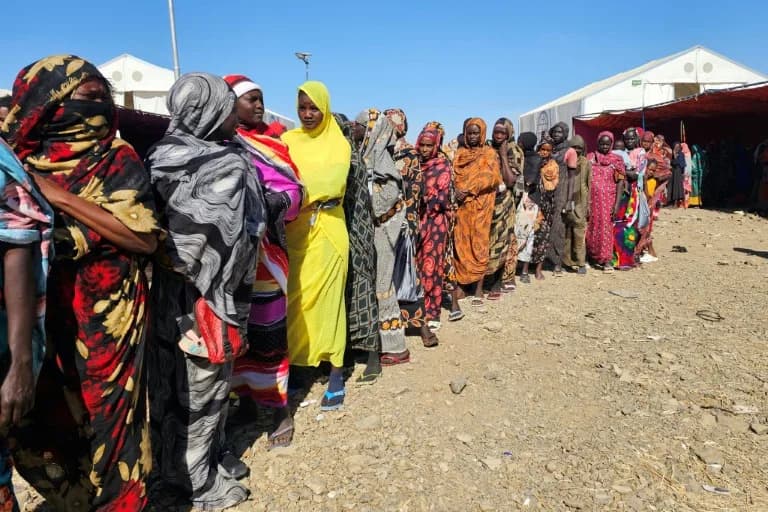
Sudan has emerged as a stark example of this lethal mix. More than two years of civil war have produced famine conditions and mass displacement. Bob Kitchen, IRC’s vice president for emergencies, called it "the largest humanitarian crisis anywhere in the world," estimating that 60–70% of the population urgently needs assistance and that Sudan has more people in Phase 5 (the most severe famine category) than any other place, including Gaza pre-ceasefire.
Relief logistics compound the problem. The U.N.’s 2025 Sudan Humanitarian Needs and Response Plan requested $4.2 billion for people inside Sudan and $1.1 billion for refugees in neighboring countries. Much aid must be trucked from Chad over a mountainous route into Darfur that has been described as a "donkey track": a 45-mile journey that can take convoys three days.
Climate Shocks Worsen Food Crises
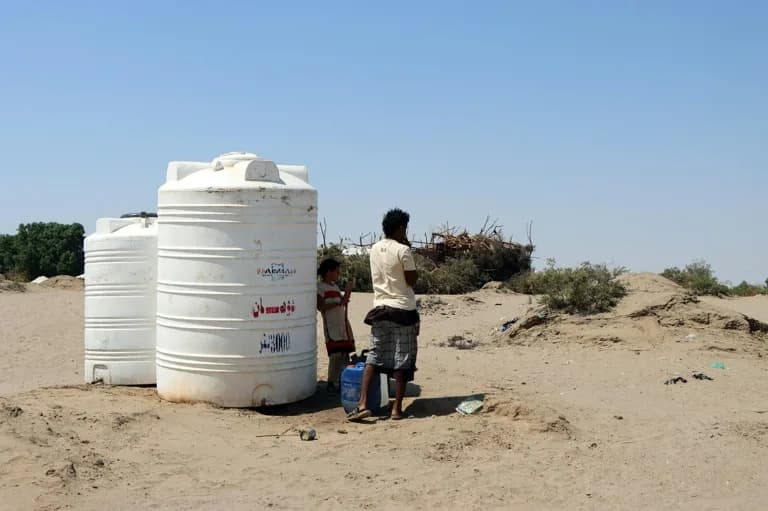
Climate extremes have further undercut food production across East Africa. The Famine Early Warning Systems Network (FEWS NET) forecasts that up to 3.5 million people in Kenya and up to 5 million in Somalia will require humanitarian food assistance at least through May 2026 because of record high temperatures and low rainfall.
Major Cuts in International Aid
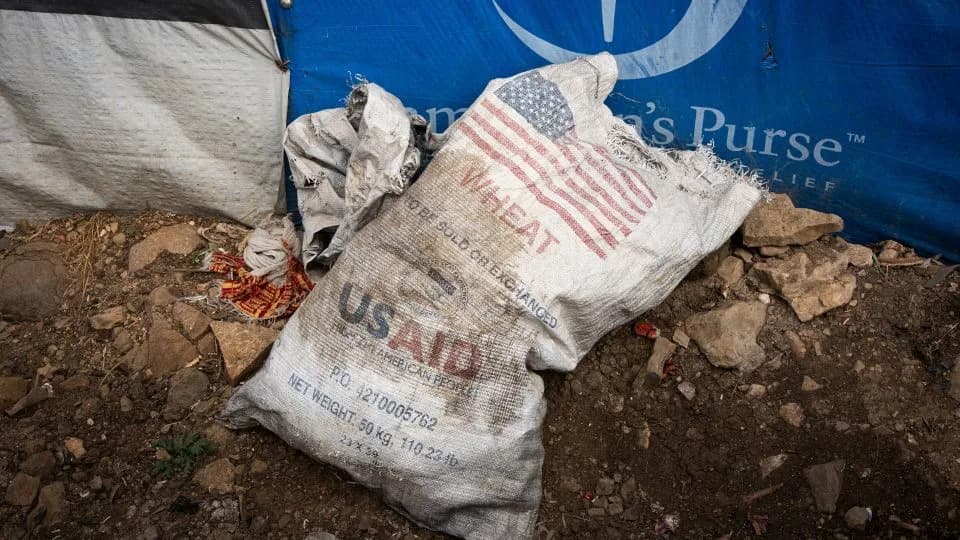
Adding to the strain, 2025 saw a substantial withdrawal of humanitarian and development funding from several wealthy governments. The U.S. foreign-aid agency USAID — which disbursed about $44 billion in foreign aid in 2023 — was ordered to stop operations, effectively shuttered, and many responsibilities moved to the State Department. The U.K., Canada, Austria, the Netherlands, France, Germany, Belgium, New Zealand, Finland, Switzerland and Sweden also announced cuts. Collectively, these donor countries represent roughly 43% of global GDP.
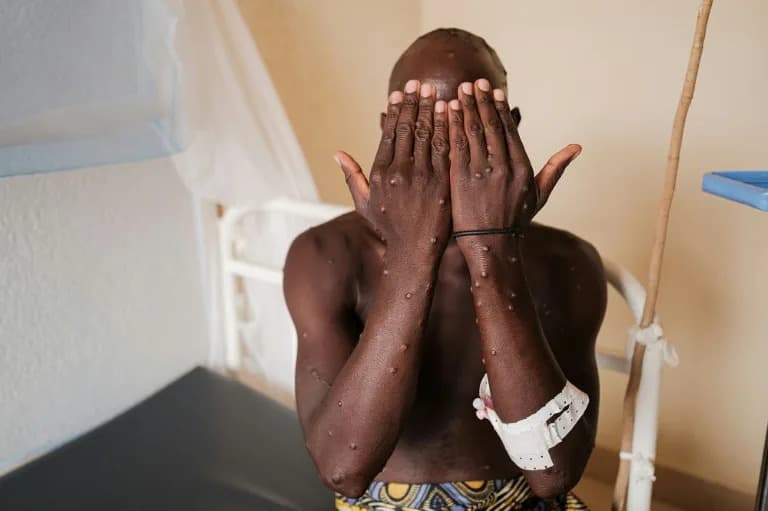
Humanitarian organizations have begun to catalogue the consequences. A new report indicates that, because of funding shortfalls, the WFP will be able to feed only about 110 million people — a little over one-third of those in need. Oxfam’s modeling of the USAID shutdown suggests up to 95 million people could lose access to basic health care and 23 million children could be pushed out of school. Mercy Corps reported closing 42 programs, affecting 3.6 million people.
On-the-Ground Consequences
The impacts are visible even in countries classified as lower-middle-income. At a Dec. 17 briefing organized by Devex, Maurine Murenga of the Kenyan community organization Lean On Me described a surge in new HIV infections among children after stop-work orders closed standalone HIV clinics and redirected pregnant women to general outpatient departments that lack HIV specialists. Similar increases in infections among infants have been reported in Uganda, and aid workers note rising vulnerabilities among survivors of sexual violence in Ethiopia and the Democratic Republic of Congo.
A WFP director warned reporters that starting in January, food rations would be cut to 70% for communities already facing famine and to 50% for those at risk, and that by April the funding gap could produce catastrophic shortfalls.
What’s At Stake
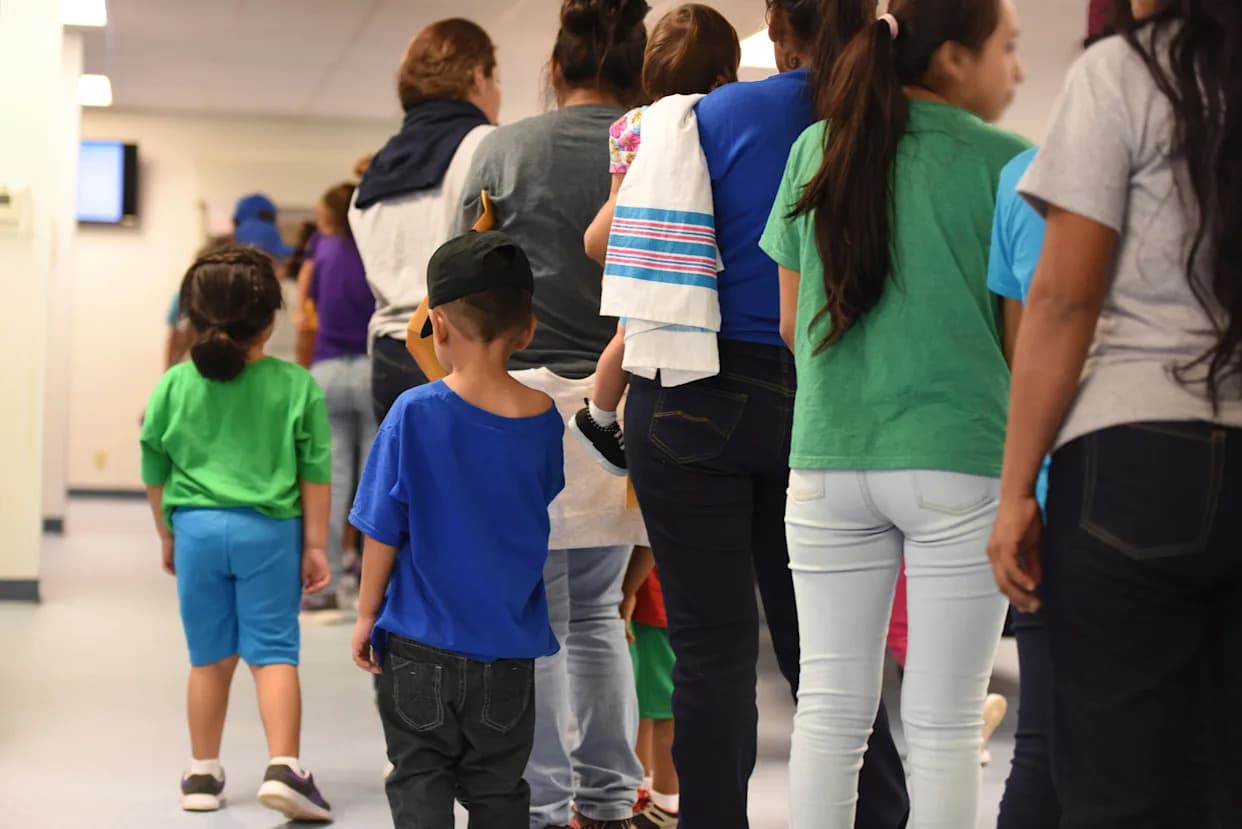
Unless donor funding is restored and conflicts are contained, humanitarian agencies warn of rapidly worsening conditions: sharp ration cuts, reduced access to health care, interrupted education and long-term setbacks to development. The human cost is immediate and often irreversible, especially for children and displaced families.
Contact us at letters@time.com.
Help us improve.