The leaders of Mali, Burkina Faso and Niger announced a ~5,000-strong AES joint battalion in Bamako to focus on counterterrorism and border security and launched AES Television to shape the region’s narrative. The three states have expelled many Western forces and deepened cooperation with Russian personnel and private units, but analysts say this has not improved security and raises human-rights concerns. Jihadist groups such as JNIM and ISGS remain powerful and continue to expand, while economic disruption from blockades heightens civilian hardship. Experts stress that political negotiation and governance reforms — not only military action — are required for lasting stability.
Sahel Summit: 5,000-Strong Joint Battalion, Russian Ties and a Deepening Security Crisis

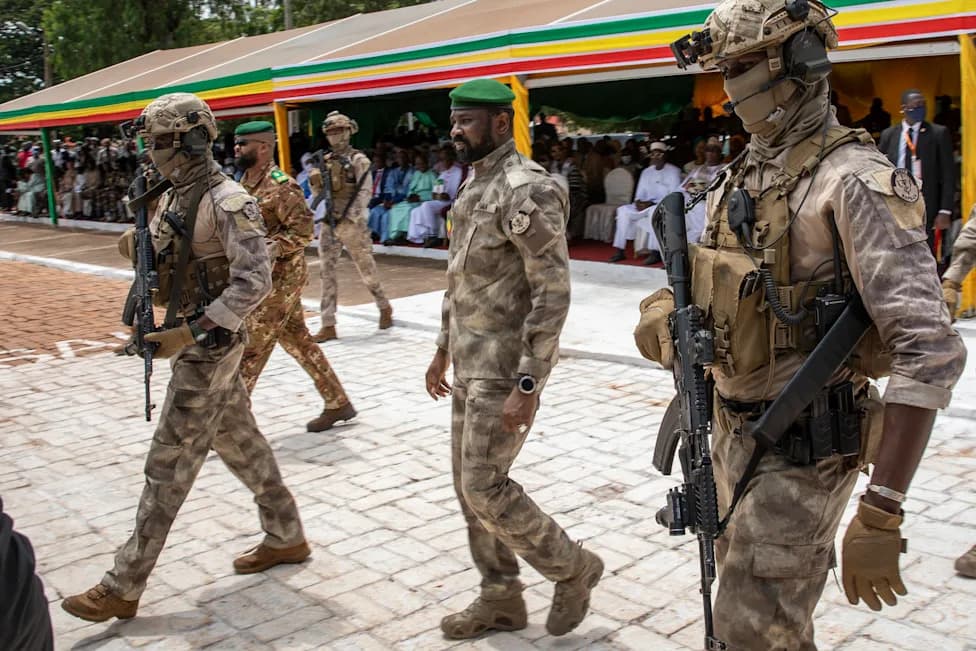
Captain Ibrahim Traore of Burkina Faso, left, General Assimi Goita of Mali, centre, and General Abdourahamane Tchiani of Niger attend the second summit on security and development in Bamako, Mali, Dec. 23, 2025 [Mali Government Information Centre via AP]
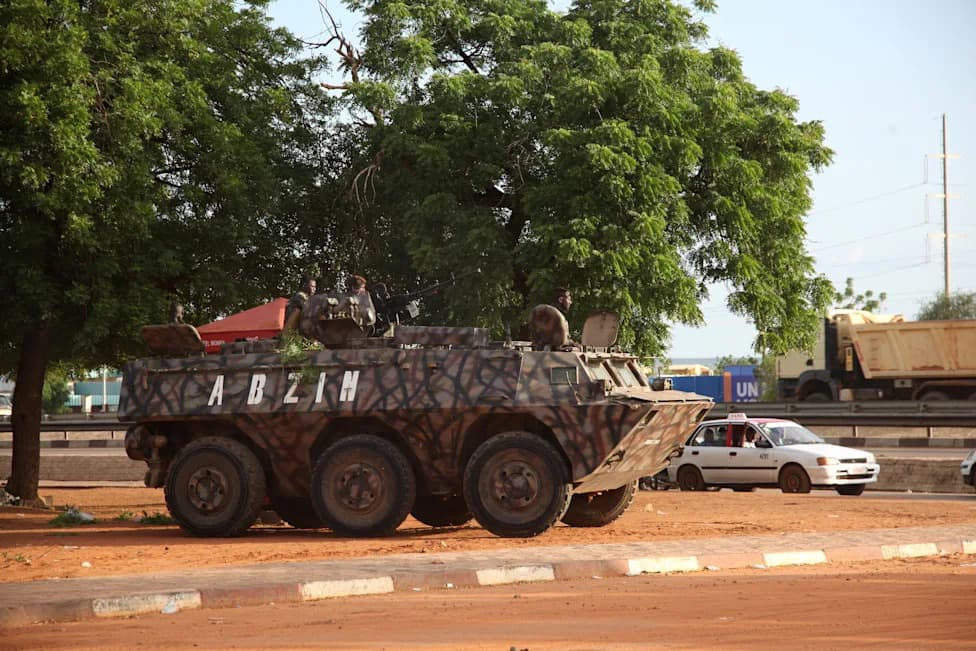
Leaders of Mali, Burkina Faso and Niger concluded a two-day Alliance of Sahel States (AES) summit in Bamako by announcing a roughly 5,000-strong joint battalion to tackle armed groups across the Sahel. The unit is billed as focused on counterterrorism and border security, but analysts warn that force alone is unlikely to reverse a decade-long deterioration in regional stability.
What Was Announced
The new battalion is expected to draw soldiers from the three countries and will prioritise counterterrorism operations and protection of borders. Burkina Faso’s leader Ibrahim Traoré, recently named head of the AES, pledged "large-scale" joint operations in the coming days. The leaders also launched AES Television, described by officials as a tool to counter disinformation and promote the bloc’s narrative.
Shifting Alliances And Foreign Forces
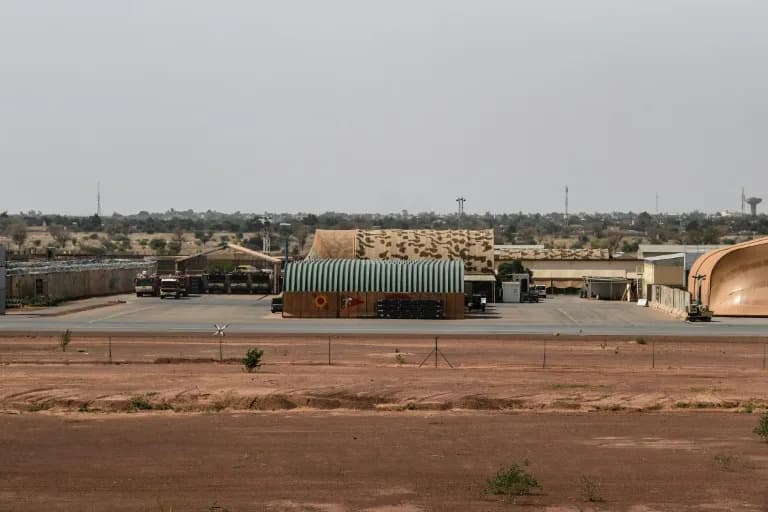
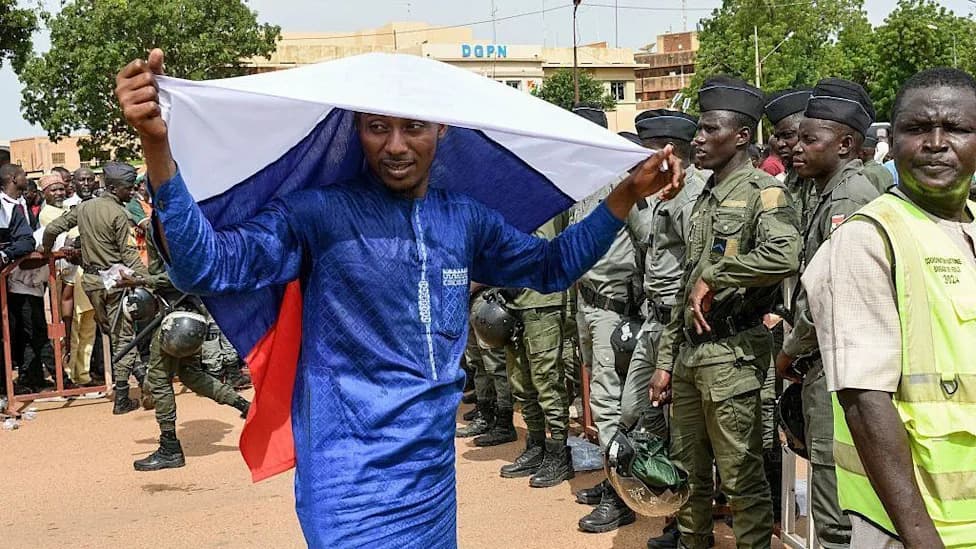
In recent years the three militaries ousted long-standing Western partners: thousands of French troops and nearly 1,000 US personnel have left or been expelled from the region. Since turning away Western security missions, the countries have increased cooperation with Russian personnel and private military elements. Mali has hosted Wagner-affiliated fighters and, more recently, a Kremlin-aligned unit known as Africa Corps; smaller Russian contingents are also present in Burkina Faso and Niger.
“The AES has put an end to all occupation forces in our countries,” said General Omar Tchiani of Niger, underlining the leaders’ intent to assert independence from Western influence.
Analysts’ Concerns
Analysts caution that Russian involvement has not produced improved security outcomes. Ulf Laessing of the Konrad-Adenauer Stiftung points to human-rights reports that allege abuses by Russian-aligned forces and argues the overall situation in parts of Mali deteriorated after their arrival. Rida Lyammouri of the Policy Center for the New South notes Russia may be more willing than Western partners to avoid conditioning support on democratic reforms, but he also says mercenary and foreign forces have struggled to contain violent extremist groups.
The Armed Groups
The principal militant actors include Jama’at Nusrat al-Islam wal-Muslimin (JNIM), an al-Qaeda-linked coalition entrenched in central and northern Mali and increasingly active across Burkina Faso and western Niger, and the Islamic State in the Greater Sahara (ISGS), active in eastern Mali, western Niger and parts of Burkina Faso. Separatist groups such as the Azawad Liberation Front (FLA) — formed in 2024 after a merger that included the MNLA — have also resumed attacks against Malian and Russian-aligned forces.
Historical And Economic Context
The current crisis has roots in the 2012 conflict in northern Mali, which created a security vacuum exploited by jihadist groups and sparked a French military intervention in 2013. Beyond security, persistent violence has produced acute economic pain: road blockades and targeted strikes on fuel tankers — particularly those supplying Mali via Senegal and the Ivory Coast — have disrupted supply lines, driven up prices and increased hardship for landlocked populations.
Will The Battalion Work?
Experts are sceptical that a largely military approach will solve the underlying problems. Laessing and Lyammouri stress that the conflict’s drivers differ across countries and that a sustainable solution will require political negotiations, improved governance, and strategies that address local grievances alongside security measures. In short: while the joint battalion may offer tactical benefits, a military force on its own is unlikely to deliver long-term peace.
Help us improve.