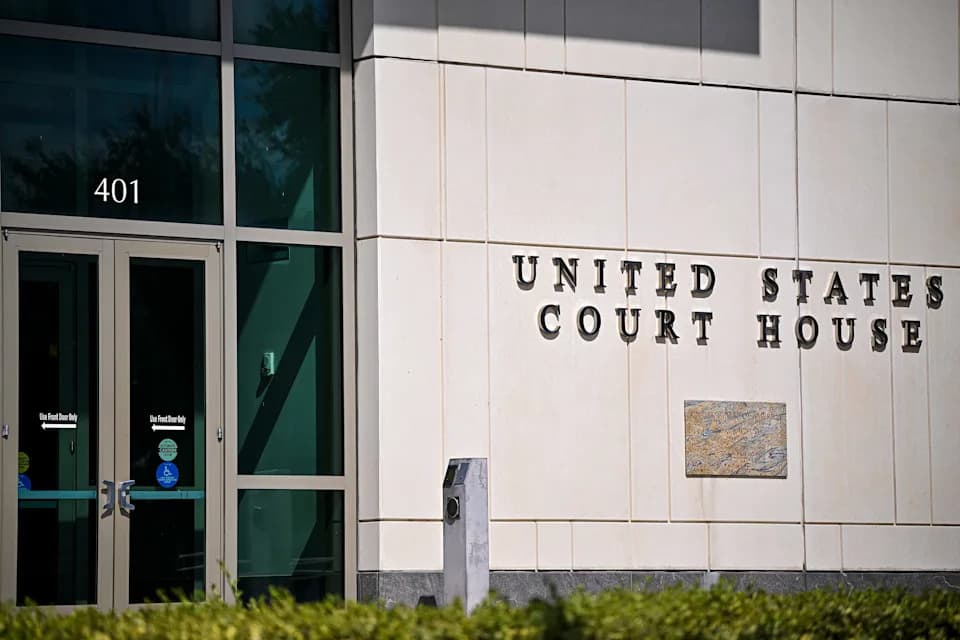
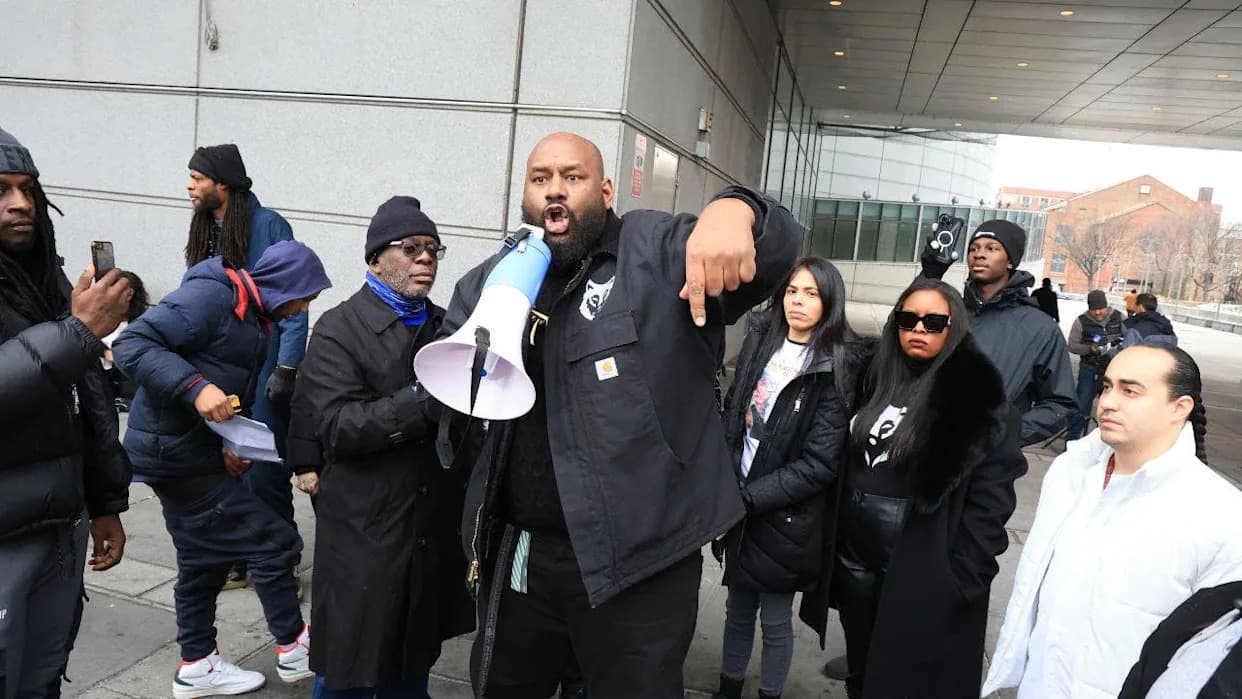
U.S. District Judge James Boasberg has ordered the Trump administration to file, by Jan. 5, a plan to either return 137 Venezuelan men detained at El Salvador's CECOT prison to the United States or provide them with hearings to challenge gang-membership allegations. Boasberg found the men were effectively in U.S. custody and were denied due process. Independent reporting and a human-rights investigation documented alleged abuse at CECOT and indicated many deportees lacked clear criminal records. The judge said the government may comply either by bringing the men back or by offering constitutionally adequate hearings, even if held abroad.
Judge Gives U.S. Two Weeks to Return Ex-CECOT Detainees or Provide Due-Process Hearings

A federal judge on Monday ordered the Trump administration to present a plan by Jan. 5 to either bring 137 Venezuelan men who were detained at El Salvador's notorious CECOT prison back to the United States or to provide them with hearings that meet constitutional due-process standards.
What the Court Found
U.S. District Judge James Boasberg concluded that the group of 137 men — deported to El Salvador under the Alien Enemies Act of 1798 and held for months at the CECOT megaprison — had been denied their due-process rights. Boasberg determined the men were effectively in U.S. legal custody while detained at CECOT and therefore should have been given an opportunity to contest the government's allegations of gang membership.
"On the merits, the Court concludes that this class was denied their due-process rights and will thus require the Government to facilitate their ability to obtain such hearing. Our law requires no less," Boasberg wrote.
Background And Timeline
The 137 men identified in the ruling are a subset of more than 200 Venezuelan deportees sent to CECOT in March after President Trump invoked the Alien Enemies Act and labeled alleged members of Venezuela's Tren de Aragua gang as "enemies of the state." Some other deportees were removed under ordinary immigration procedures. All Venezuelan detainees held at CECOT were later released this summer and returned to Venezuela as part of a U.S.-brokered prisoner swap.
The administration has argued that once the men were transferred to El Salvador, they were no longer in U.S. custody and U.S. courts therefore lacked jurisdiction. Boasberg rejected that position in part, finding the United States had effectively retained control because El Salvador detained the men at the U.S. government's request and the U.S. paid for their confinement at CECOT.
Allegations Of Abuse And Independent Reporting
Investigations by journalists and human rights groups raised serious questions about the detentions. CBS News and "60 Minutes," using a list first published by CBS, reported that many of the deportees appeared to have no criminal records in the U.S. or abroad despite official allegations. A report by Human Rights Watch and Cristosal concluded the detainees' treatment amounted to arbitrary detention and enforced disappearance under international law and documented "constant beatings" by Salvadoran guards and other abuses, including reports of sexual assault.
Next Steps
Boasberg gave the government until Jan. 5 to file a plan describing how it will comply — whether by facilitating the men's return to the United States or by providing hearings that satisfy due-process requirements. He noted the government could, in theory, hold hearings without physically returning the men to U.S. soil if those hearings comported with constitutional protections.
CBS News sought comment from the Department of Homeland Security. The order adds to ongoing scrutiny of the Trump administration's use of the Alien Enemies Act and raises questions about oversight when immigration actions involve foreign custody arrangements.
Help us improve.