Canadian researchers reanalyzed eye-tracking data and found people blink less while listening to spoken sentences, with greater blink suppression in noisier environments. A separate lighting test ruled out visual causes, suggesting reduced blinking is a strategy to preserve auditory attention. Published in Trends in Hearing, the study indicates blink rates could serve as a noninvasive marker of listening effort, though manual scoring and simple lab tasks limit immediate real-world application.
Blink Less, Listen More: How Eye Blinks Reveal Listening Effort

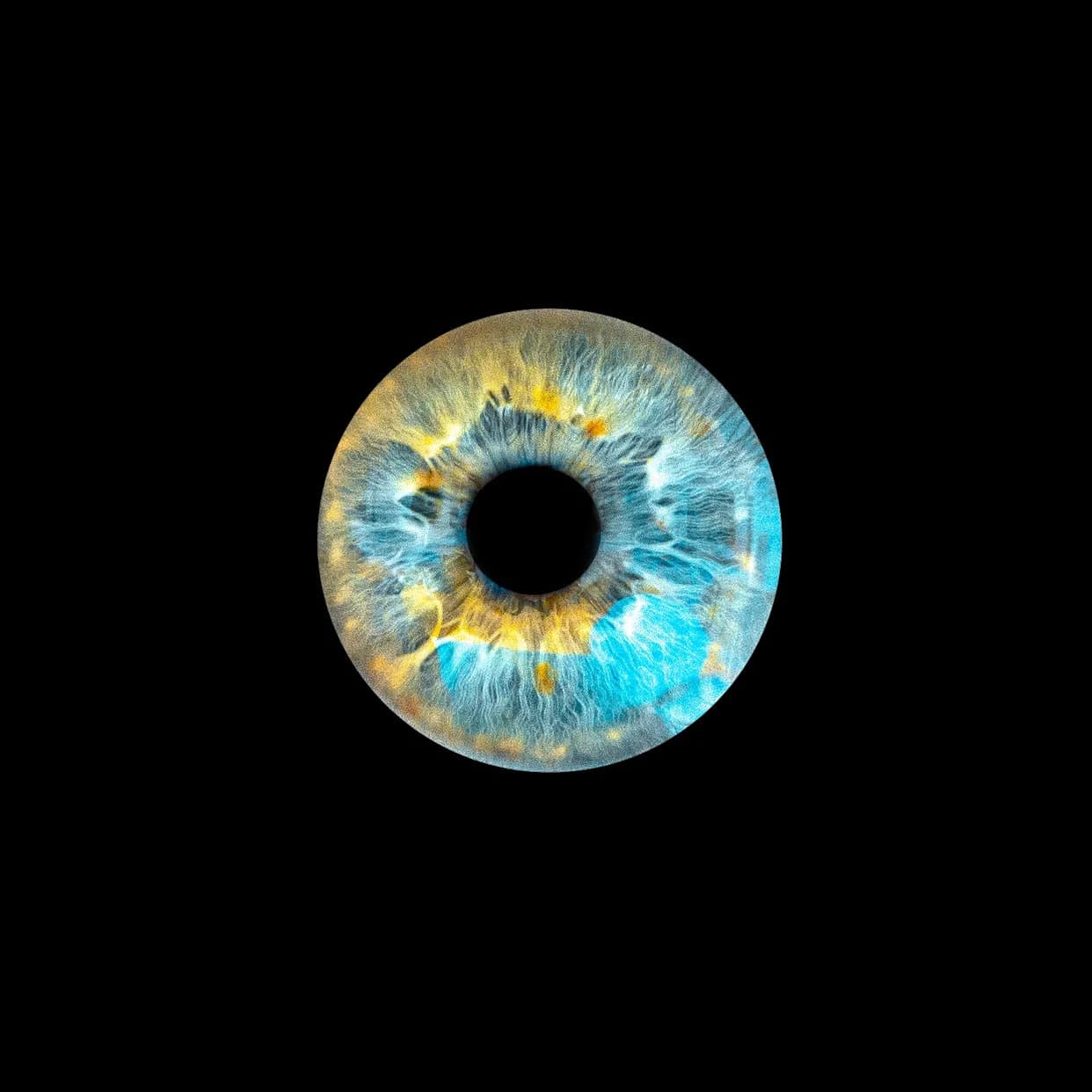
Close-up of a young boy's eyes. Credit: Iren_Geo / Shutterstock.
They say the eyes are the windows to the soul — and new research suggests they may also reveal how hard someone is working to listen. A team of Canadian scientists found that people suppress blinks while listening to spoken sentences, especially when background noise makes comprehension harder.
"We wanted to know if blinking was impacted by environmental factors and how it related to executive function," said Pénélope Coupal, a researcher at the Laboratory for Hearing and Cognition at Concordia University in Montreal. "For instance, is there a strategic timing of a person’s blinks so they would not miss out on what is being said?" Their analysis supports a clear yes.
The researchers reanalyzed eye-tracking data from a prior experiment in which participants heard sentences in quiet and noisy conditions. They counted blinks before, during and after each sentence and found participants blinked far less while a sentence was being spoken. Blink suppression grew stronger as background noise increased.
To rule out a visual cause, the team examined blink recordings from a separate experiment that varied lighting. Lighting produced no measurable effect on blink rate, indicating the reductions were linked to listening effort rather than visual discomfort or poor visibility.
One plausible explanation is that blinking briefly interrupts attention, so the brain delays blinks when it needs to capture important auditory information — similar to how people time blinks during demanding visual tasks. The findings, published in Trends in Hearing, suggest blink-rate measurements could become a noninvasive way to track listening-related cognitive effort in labs and everyday settings.
Importantly, fewer blinks did not mean worse understanding. Instead, a lower blink rate signaled increased effort to comprehend spoken language. The study also reported no clear relationship between blink counts and pupil-dilation metrics, implying blinks may reflect a distinct component of cognitive load.
The authors note several limitations: blinks were scored manually (a time-consuming and somewhat subjective method), the listening tasks were relatively simple, and results may differ during natural, complex conversations or in people with hearing loss. Future research using automated blink detection and more realistic listening scenarios will help determine how broadly these findings apply.
Source: Coupal et al., Trends in Hearing. Lead image credit: Iren_Geo / Shutterstock. Originally featured on Nautilus.
Help us improve.