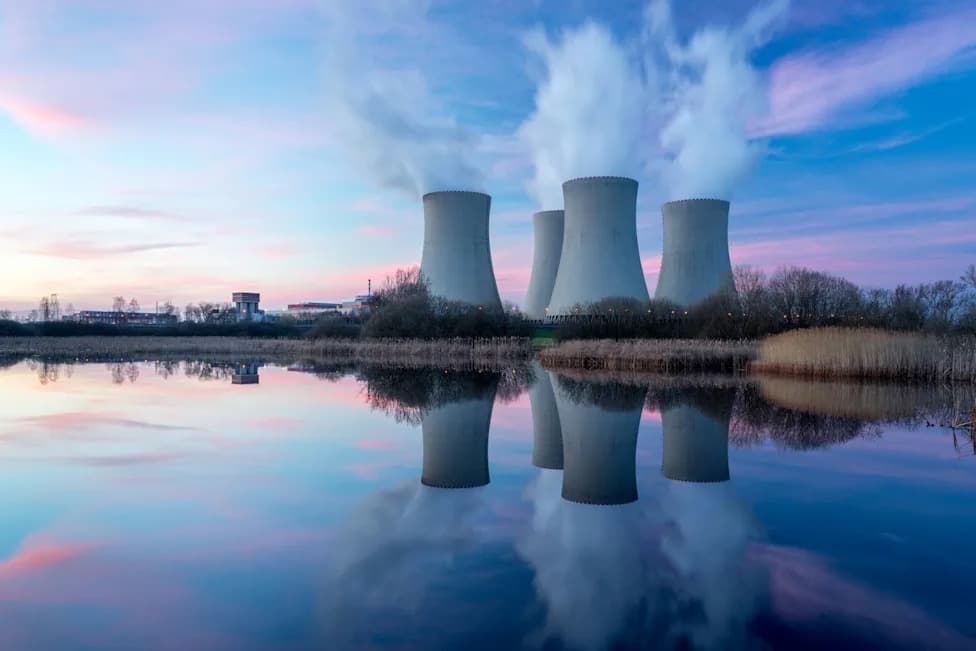
Niigata prefecture is set to vote on restarting the Kashiwazaki-Kariwa nuclear plant, potentially marking the first TEPCO-operated reactor restart since Fukushima. The move aims to bolster energy security and cut fossil fuel imports, but deep local opposition remains — a prefectural survey found 60% believe restart conditions aren't met. Officials say a single reactor could boost Tokyo-area supply by about 2%, and Tokyo targets 20% nuclear generation by 2040.
Japan Nears Restart of World's Largest Nuclear Plant as Niigata Votes After Fukushima

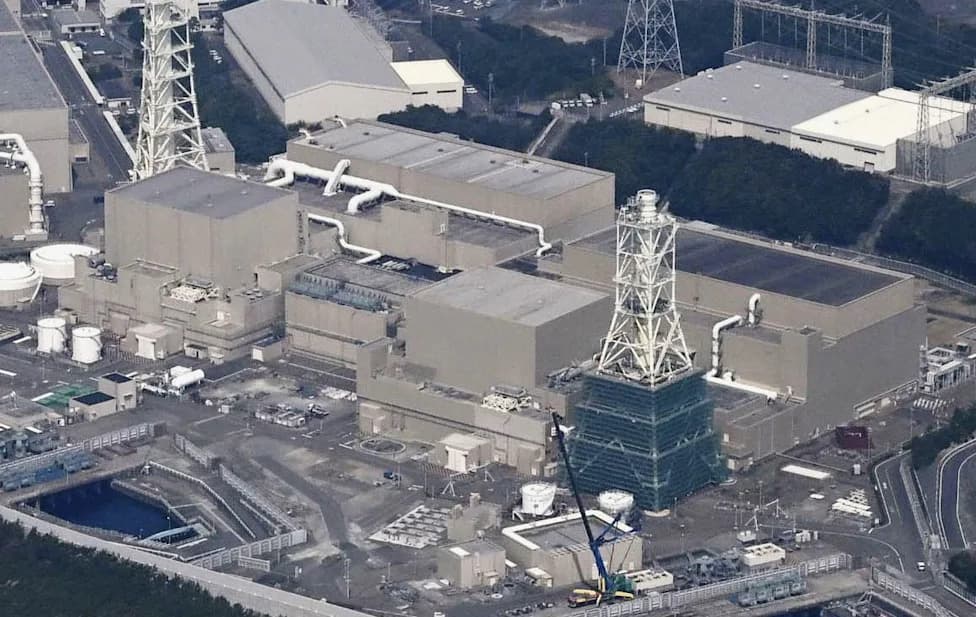
Tokyo Electric Power Company (TEPCO)'s Kashiwazaki Kariwa nuclear power plant, one of the world's largest nuclear facilities, stands along the seaside in Kashiwazaki, Niigata prefecture, Japan December 21, 2025.REUTERS/Issei Kato
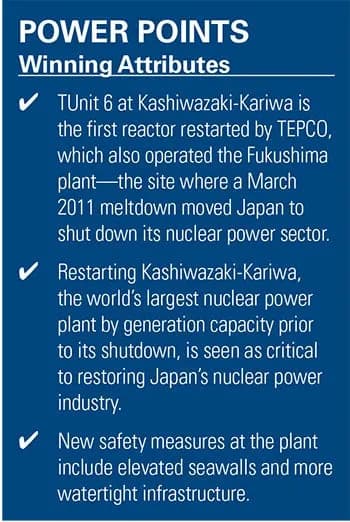
Niigata prefecture is poised to approve a plan to restart the Kashiwazaki-Kariwa nuclear power station — the world’s largest — in a major step in Japan’s gradual return to nuclear power since the 2011 Fukushima disaster.
The Kashiwazaki-Kariwa complex, about 220 km northwest of Tokyo, was among dozens of reactors taken offline after the earthquake and tsunami that crippled the Fukushima Daiichi plant. Of the 33 reactors Japan still considers operable, 14 have resumed service to help reduce reliance on imported fossil fuels.
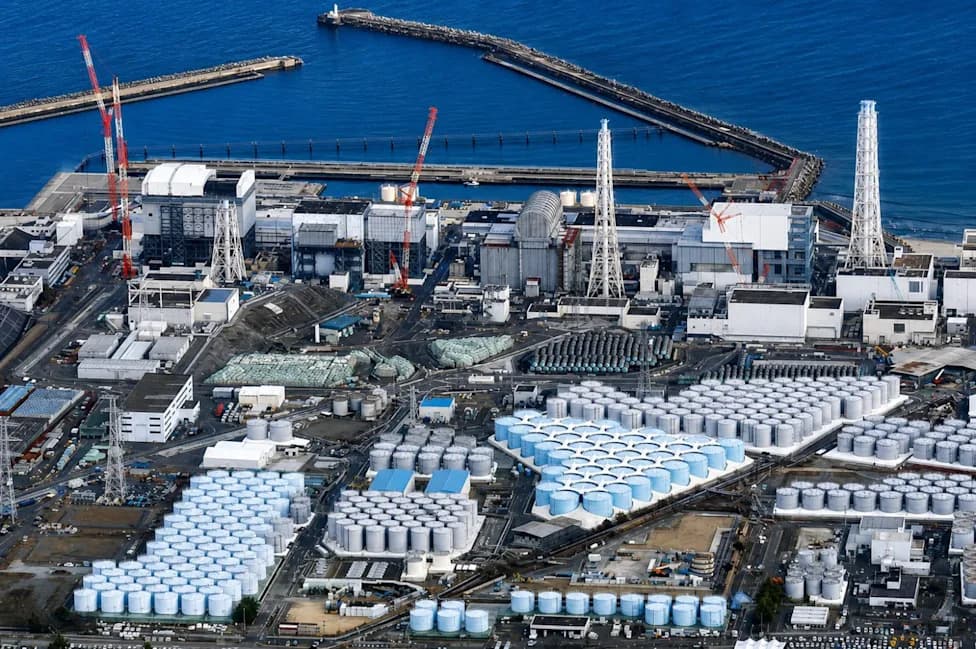
If Niigata's assembly endorses the plan, the restart would be the first time Tokyo Electric Power Company (TEPCO), the operator of the crippled Fukushima station, brings a reactor back online. TEPCO spokesman Masakatsu Takata said the company was "firmly committed to never repeating such an accident" and pledged to protect Niigata residents.
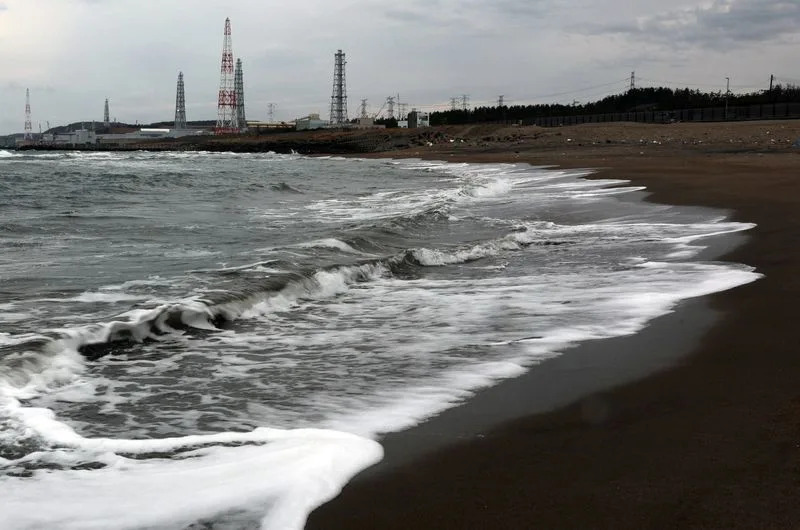
Tokyo Electric Power Company (TEPCO)'s Kashiwazaki Kariwa nuclear power plant, one of the world's largest nuclear facilities, stands along the seaside in Kashiwazaki, Niigata prefecture, Japan December 21, 2025.REUTERS/Issei Kato
Public broadcaster NHK reported that TEPCO is considering reactivating the first of the plant's seven reactors on January 20, though TEPCO declined to confirm a timetable.
Local Opposition And Trauma
TEPCO has offered 100 billion yen (about $641 million) to Niigata over 10 years to build local support, but many residents remain uneasy. An October prefectural survey found 60% of respondents believed conditions for a safe restart had not been met, and nearly 70% said they were concerned about TEPCO operating the plant.
"We know firsthand the risk of a nuclear accident and cannot dismiss it," said Ayako Oga, 52, who relocated to Niigata after evacuating the Fukushima area in 2011. Oga, a farmer and anti-nuclear activist, said she continues to suffer post-traumatic stress–like symptoms and plans to join protests outside the prefectural assembly.
Energy Security And Policy
The prefectural assembly is scheduled to hold a confidence vote on Governor Hideyo Hanazumi — effectively a referendum on his support for the restart. Observers view the vote as a final hurdle before TEPCO could reactivate a reactor. Japan's trade ministry estimates a single reactor at Kashiwazaki-Kariwa could raise electricity supply to the Tokyo area by roughly 2%.
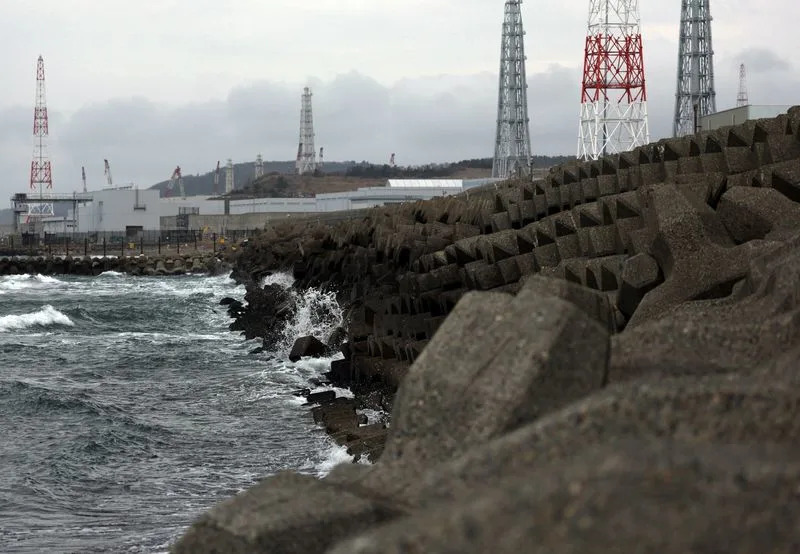
Tokyo Electric Power Company (TEPCO)'s Kashiwazaki Kariwa nuclear power plant, one of the world's largest nuclear facilities, stands along the seaside in Kashiwazaki, Niigata prefecture, Japan December 21, 2025.REUTERS/Issei Kato
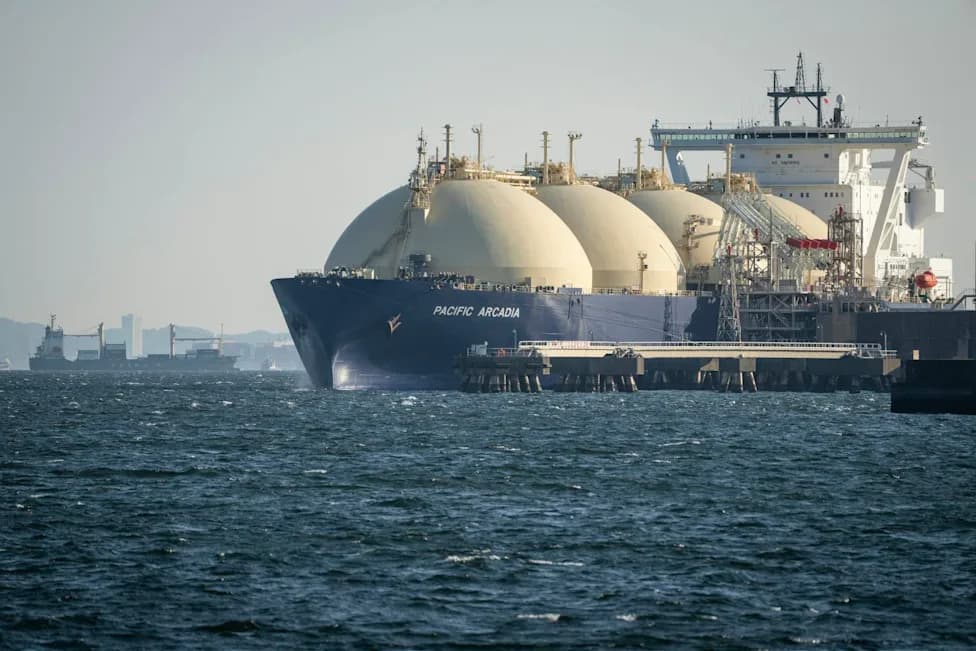
Prime Minister Sanae Takaichi, who took office recently, supports restarting reactors to strengthen energy security and reduce costly fossil fuel imports, which supply about 60%–70% of Japan's electricity. Last year Japan spent roughly 10.7 trillion yen (about $68 billion) on imported liquefied natural gas and coal.
Despite a declining population, Japan expects electricity demand to rise over the coming decade due to energy-hungry AI data centres. To meet demand and climate goals, the government has set a target of doubling nuclear's share of the electricity mix to 20% by 2040.
Industry analysts say public acceptance of the Kashiwazaki-Kariwa restart would be a critical milestone for Japan's wider nuclear revival. In July, Kansai Electric — Japan's largest nuclear operator — said it would begin surveys for a new reactor, the first proposed since the Fukushima crisis.
For many local residents, however, the restart rekindles painful memories. "Every news update about the restart — it's like reliving the fear," Oga said.
Currency note: $1 = 155.92 yen (as reported).
Help us improve.