TEPCO plans to restart a reactor at the Kashiwazaki-Kariwa nuclear complex on February 9 after a misconfigured monitoring alarm halted a brief restart on January 21. The alarm detected minor, safe electrical variations and has been reset; commercial generation could begin on or after March 18 pending further inspections. Only one of seven reactors will restart, and local opposition remains strong amid seismic-safety concerns.
Japan to Restart Reactor at World's Largest Nuclear Complex After False Alarm Halt
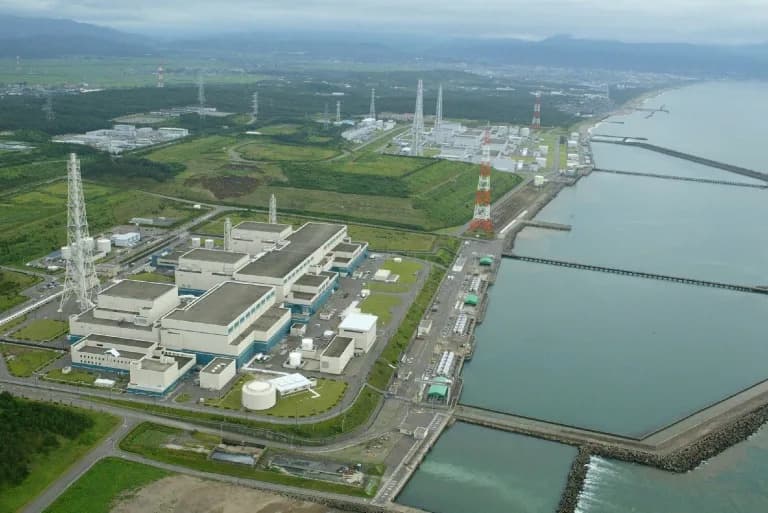
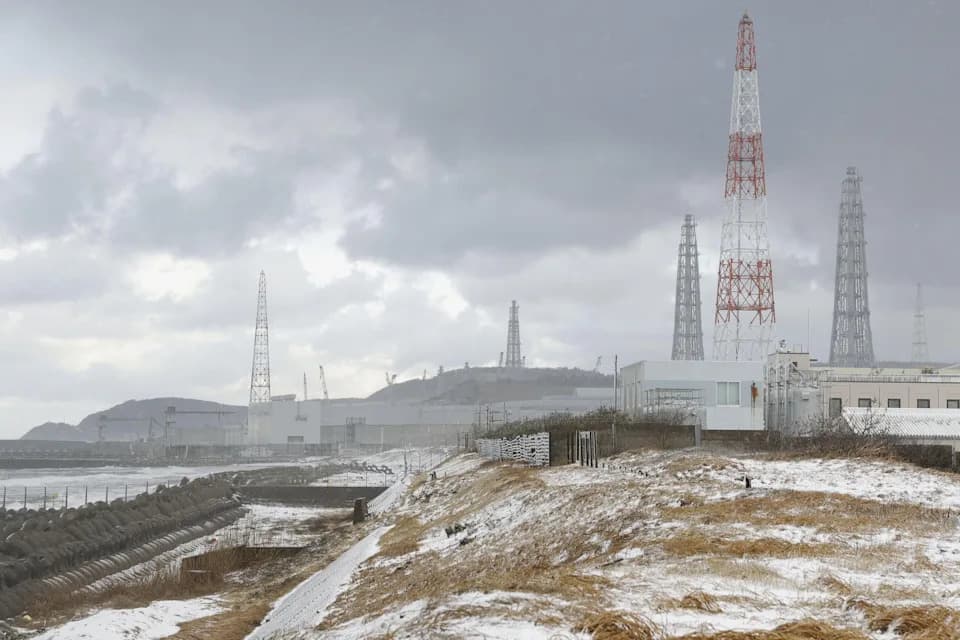
The Kashiwazaki-Kariwa Nuclear Power Plant in Kashiwazaki City has been offline since the 2011 Fukushima disaster (STR)(STR/JIJI PRESS/AFP)
Tokyo Electric Power Company (TEPCO) plans to restart a reactor at the Kashiwazaki-Kariwa nuclear complex on February 9, the operator said, after a false alarm forced an earlier restart attempt to be suspended.
Restart Plan and Safety Checks
TEPCO's plant head, Takeyuki Inagaki, told reporters that the unit briefly restarted on January 21 but was shut down the following day when a monitoring-system alarm was triggered. The alarm was later found to be misconfigured: it detected minor variations in electrical current on a single cable that were nonetheless within safe limits. TEPCO has adjusted the alarm settings and says the reactor is safe to operate.
The company said commercial generation could begin on or after March 18, following a further comprehensive inspection and regulatory checks by Japan's Nuclear Regulation Authority.
About Kashiwazaki-Kariwa
By potential capacity, Kashiwazaki-Kariwa is the world's largest nuclear power complex, though only one of its seven reactors is scheduled to restart. The facility has been offline since Japan shut down most of its nuclear fleet after the 2011 earthquake and tsunami that caused meltdowns at the Fukushima Daiichi plant.
TEPCO also operates the Fukushima Daiichi site, which is currently being decommissioned.
Why This Matters
Japan, which lacks domestic fossil fuel resources, is seeking to revive nuclear power to reduce reliance on imported fuels, cut carbon emissions and meet rising electricity demand — including increased consumption tied to data centers and artificial intelligence workloads — as it pursues carbon neutrality by 2050.
Local Response and Safety Concerns
Public opinion in the surrounding area is sharply divided. A Niigata prefecture survey in September found roughly 60% of residents opposed the restart while 37% supported it. In January, seven local groups opposing the restart delivered a petition with nearly 40,000 signatures to TEPCO and the Nuclear Regulation Authority, arguing the plant sits above an active seismic fault and noting a strong earthquake struck the area in 2007.
Next steps: TEPCO will proceed with the planned start-up, carry out additional inspections, and coordinate further reviews with regulators before shifting to commercial operation on or after March 18.
Help us improve.