The IAEA’s director general cautioned that as the Russia–Ukraine war nears its fifth year it presents the world’s greatest risk of a nuclear accident, emphasizing that secure off-site power and robust backup systems are essential at every nuclear site. He highlighted that Ukraine’s 15 reactors and Russia’s 36 reactors make reliable electricity and backups critical. The Zaporizhzhya plant was reconnected to its last backup on Jan. 19 after damage on Jan. 2, and IAEA experts are inspecting 10 substations amid strikes. The agency is also monitoring winter risks and Chernobyl’s recent reliance on diesel generators.
IAEA Warns Backup Power Is Critical To Prevent Nuclear Disaster Amid Russia–Ukraine War
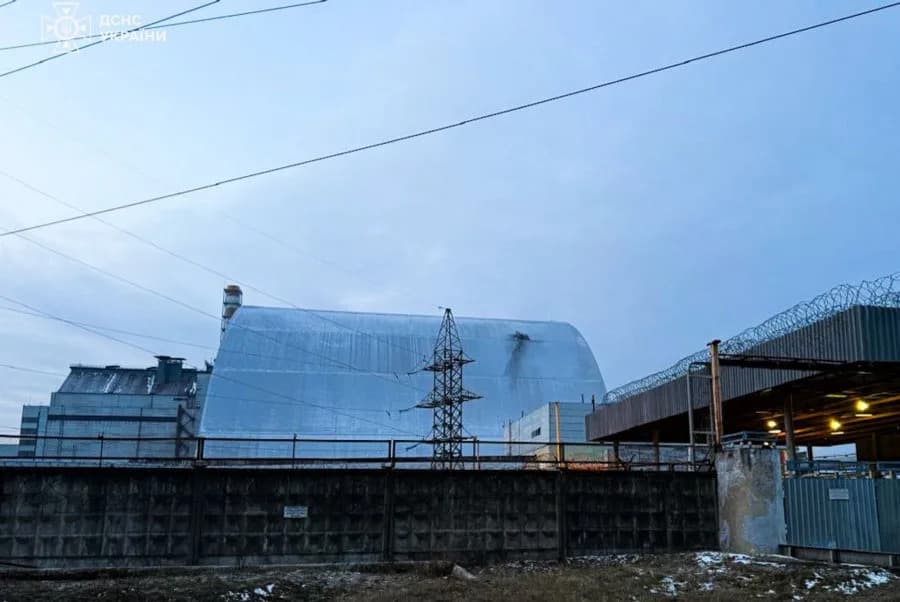
A Russian drone struck the radiation shield of a reactor at the Chernobyl Nuclear Power Plant on February 14, which International Atomic Energy Agency officials on Friday said shows the need for reliable backup power and to end the war between Russia and Ukraine to ensure safety. File Photo via Ukrainian Presidential Press Office/UPI
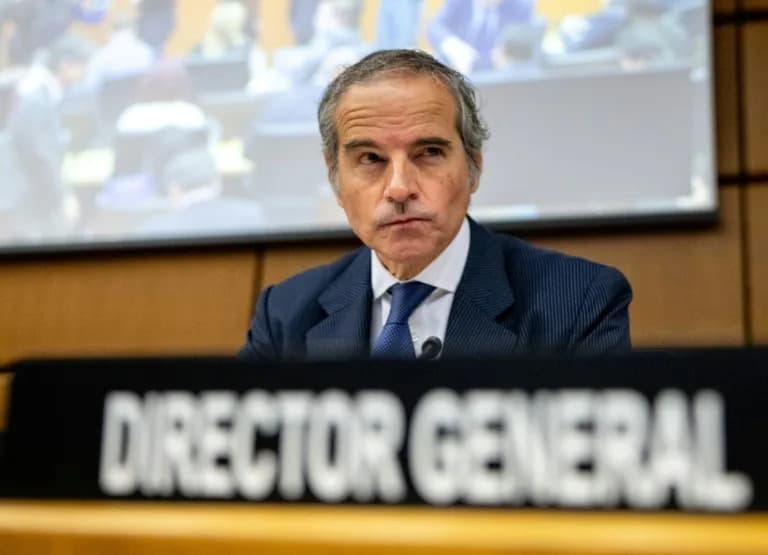
IAEA Director General Rafael Grossi warned the agency's Board of Governors that the ongoing Russia–Ukraine war — now approaching its fifth year — represents the world's greatest current risk for a nuclear accident. He stressed that reliable off-site electricity and robust backup systems are essential to keep reactors and spent-fuel stores safe amid attacks on energy infrastructure.
Why Backup Power Matters
Ukraine operates 15 nuclear reactors that supply roughly half of the country’s electricity, while Russia has 36 operable reactors providing up to 20% of its power, according to the World Nuclear Association. Grossi said those figures underscore the urgent, universal need for secure grid connections and dependable backup supplies at every nuclear site.
"There must be secure off-site power from the grid for all nuclear sites," Grossi told the board.
Zaporizhzhya: A Flashpoint
Grossi singled out the Zaporizhzhya Nuclear Power Plant in southeastern Ukraine — Europe’s largest nuclear facility — as particularly alarming because it has been under Russian control. The plant’s last functioning backup power installation was reconnected on Jan. 19 following repairs carried out during a temporary cease-fire. That backup had been damaged on Jan. 2 by military activity, temporarily forcing the site to rely on its main grid connection to cool six shutdown reactors and the spent-fuel pools.
The IAEA is closely monitoring the plant’s winter resilience, including steps to prevent cooling and sprinkler ponds from freezing — a condition that would further complicate reactor and spent-fuel safety.
Broader Risks Across Ukraine
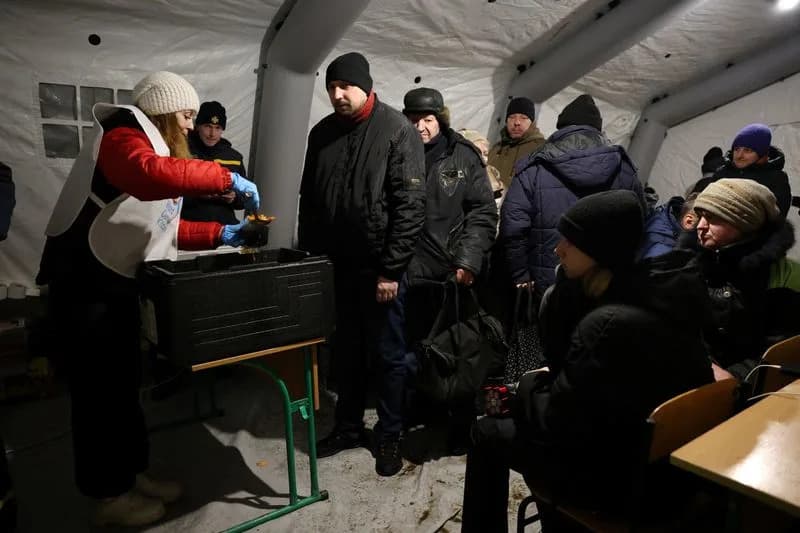
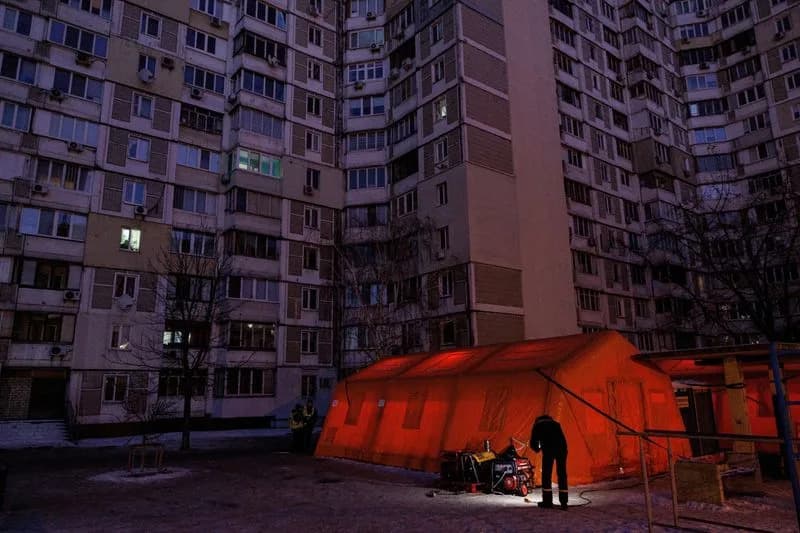
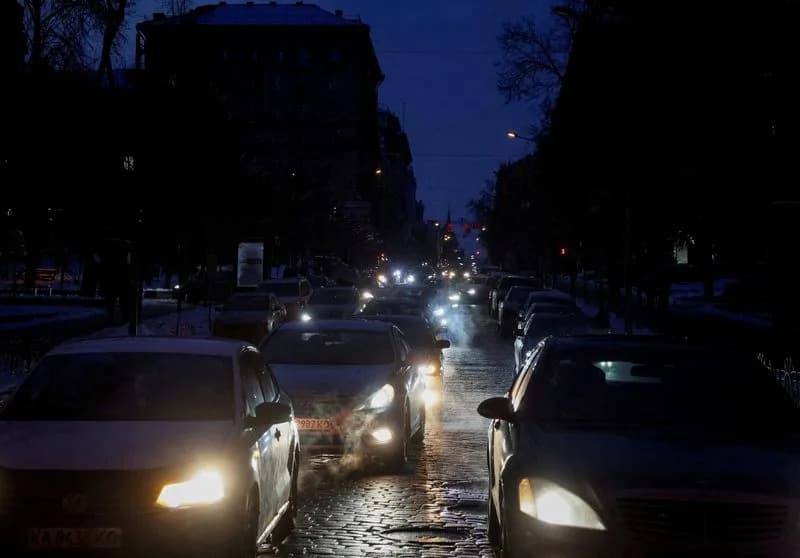
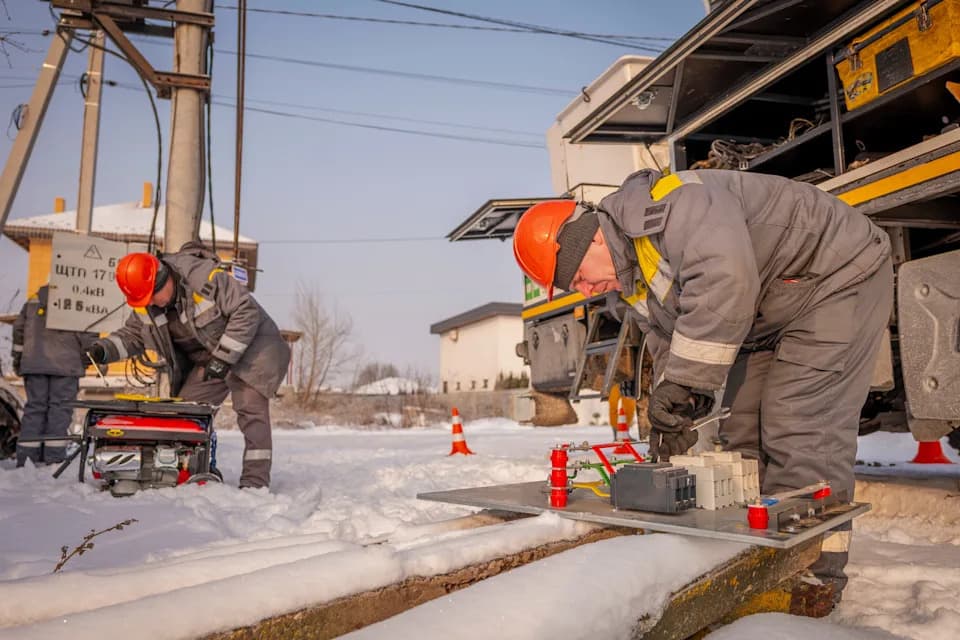
Grossi warned that damage to electrical substations could produce a broader catastrophe for nuclear safety. He said a team of IAEA experts is examining 10 substations that have been impacted by strikes on Ukraine’s power infrastructure. The agency is also watching the Chernobyl site, which recently relied on diesel generators for backup power until repairs to its damaged substation lines were completed.
While the IAEA and partners have so far helped prevent a nuclear accident during the conflict, Grossi concluded with a stark reminder: the most reliable way to secure nuclear safety and security is to bring the conflict to an end.
Help us improve.