The author, parent of a 12‑year‑old trans son, describes mounting fear after three coordinated federal and congressional actions threatened gender‑affirming care for minors: House passage of HR 3942 criminalizing care, an HHS proposed rule barring Medicaid‑accepting hospitals from providing such care to youth, and House votes to cut coverage. The article cites Trevor Project data showing high rates of suicide ideation among trans youth and research indicating access to gender‑affirming care reduces that risk substantially. The author explains who will be harmed, notes the widening state bans, and urges collective action to defend bodily autonomy and protect vulnerable children.
‘They Want My Son to Die’: Federal Moves Threaten Gender‑Affirming Care for Trans Youth

They want my son to die. That terrifying thought has hovered beneath my waking life for a year; this week it rose to the surface and will not let go.
My son turned 12 last month. He is in seventh grade and he is transgender. Over 24 hours this week, a cascade of federal and congressional actions landed like a one‑two‑three punch that could strip him—and thousands of other trans young people—of medically recommended care.
What Happened
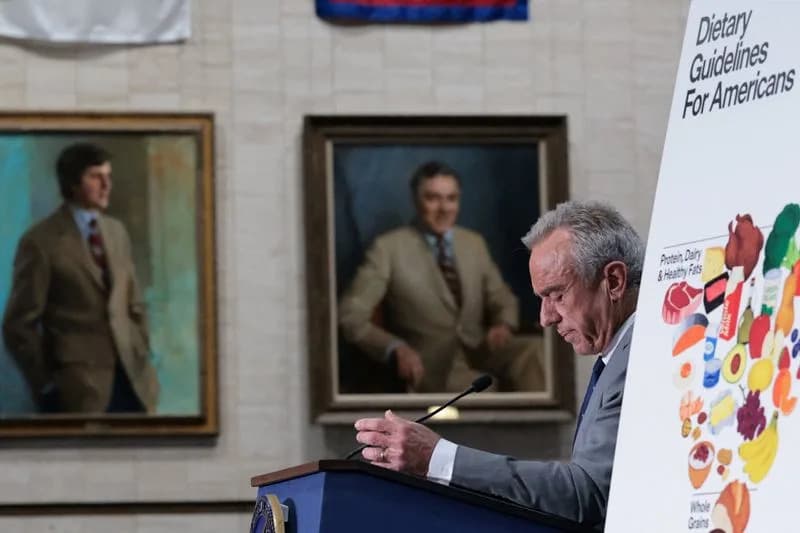
First, the House passed Rep. Marjorie Taylor Greene’s closing‑day measure, House Resolution 3942, the Protect Children’s Innocence Act, which would make providing or seeking gender‑affirming medical care for minors a crime. Second, Health and Human Services Secretary Robert F. Kennedy Jr. announced a proposed HHS rule—described by trans journalist Erin Reed as “the single most aggressive attack on transgender healthcare in U.S. history”—that would bar hospitals that accept Medicaid from offering gender‑affirming care to minors. Third, the House also voted to cut coverage for youth gender‑affirming services. Even if the Senate does not enact a felony ban, threats to withhold Medicare and Medicaid funding would effectively force many hospitals to stop providing care.
Who Will Be Affected
The consequences would fall hardest on those without financial means, geographic options, or supportive families. Only those with money, mobility, and parental support are likely to find clinicians willing to provide puberty blockers or gender‑affirming hormones outside hospital systems. Others may be driven to unsafe alternatives—online black markets, informal exchanges, or desperate measures. Existing disparities would deepen.
“Policies designed to make life unlivable for transgender people bear responsibility too,” Erin Reed wrote after a recent suicide. “Every trans suicide is a murder by those in power.”
Evidence And Stakes
According to the Trevor Project’s 2024 survey, 46% of trans and nonbinary youth seriously considered suicide in the past year, and 16% attempted it. Multiple studies find that access to gender‑affirming care can reduce suicidal ideation and attempts—by some estimates, as much as 73%—making medical care among the most protective factors for trans youth, second only to having an affirming family and community.
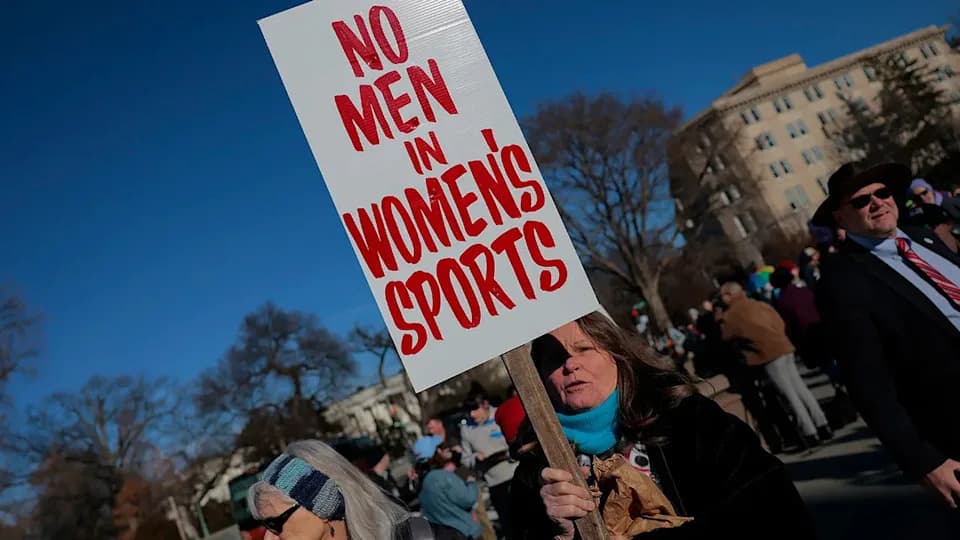
Political context matters. During the 2024 election cycle, GOP operatives spent roughly $222 million on anti‑trans and anti‑LGBTQ+ advertising—more than on housing, immigration, and the economy combined—and 25 states now ban gender‑affirming care for minors, up from one state (Arkansas) in 2021. Many trans people have already lost jobs, benefits, or the ability to serve in public roles. Providers are being sued; parents have faced abuse allegations and threats of child‑welfare interventions; and entire families have fled to more supportive states.
Local Protections, National Limits
We live in New York, where state leaders have defended trans rights and where the NY Equal Rights Amendment expanded protections. But even in blue states, protections can be limited: Governor actions and gaps in legislation leave families exposed. If federal funding is weaponized, state protections may not be enough to preserve access at scale.
As Chase Strangio of the ACLU has argued, if restrictive policies spread nationwide there may be no domestic refuge for trans youth. My family could be forced to flee the only country we have ever known—an agonizing echo of my grandmother’s flight from Nazi Germany.
What I Will Do
My son is due for his biannual Triptodur injection next month. After this week’s news, my immediate reaction was to call the specialty pharmacy to place the order. I am doing everything I can to protect him: staying proactive with his care, advocating for him, and preparing for harder fights. If laws criminalize care, loving parents risk felony charges to keep their children safe.
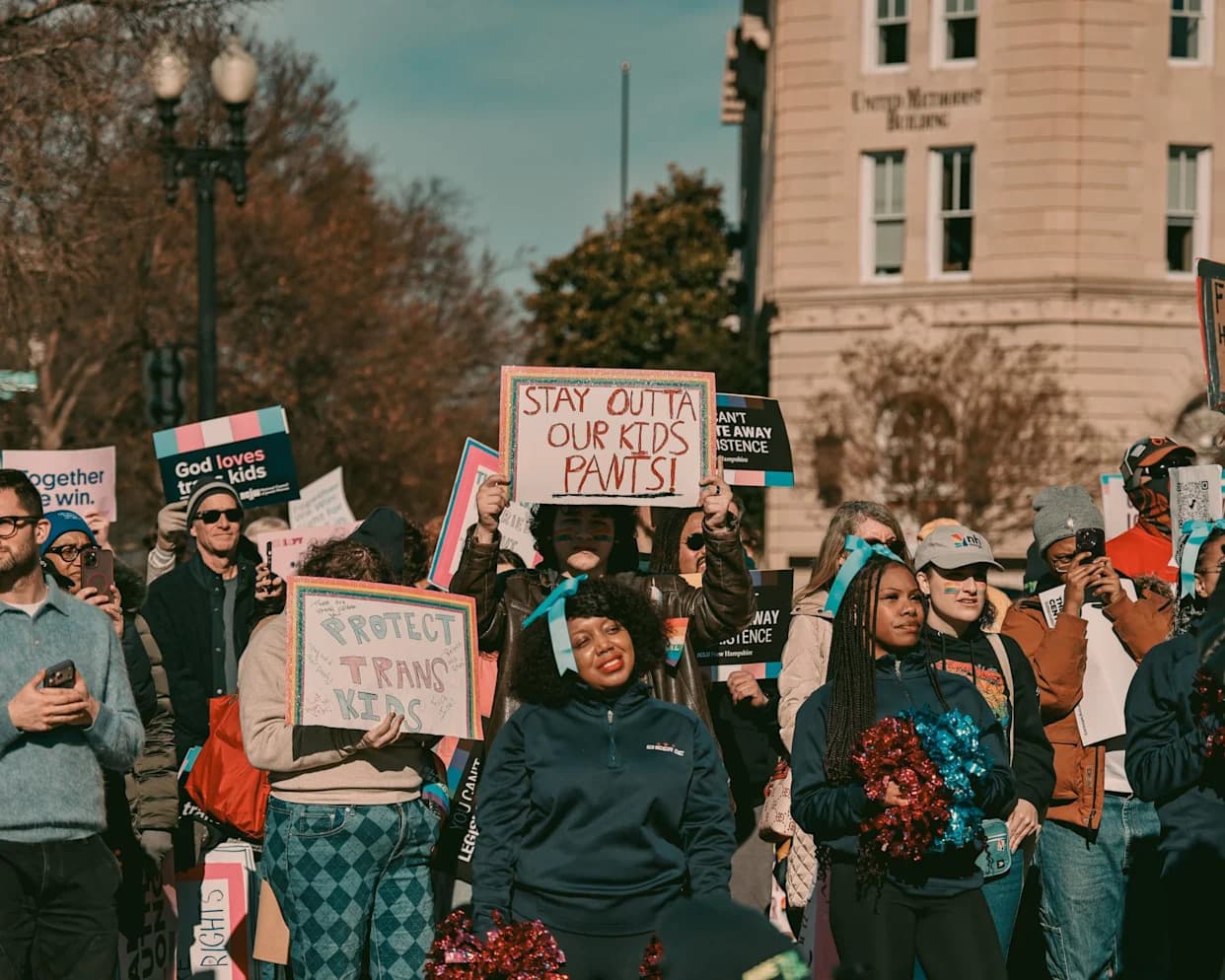
This is not just a personal fight. Gender‑affirming care and reproductive care are linked struggles for bodily autonomy. Attacks on one set of rights often presage attacks on others. We must build broad coalitions to defend medical care, parental decision‑making in partnership with clinicians, and the lives of vulnerable young people.
Call To Action
The stakes are life and death. If you care about children’s safety, medical ethics, and civil rights, now is the time to act: contact your elected officials, support legal challenges and organizations defending trans youth, and show up for families targeted by these policies. As protections erode, the loudness of those of us most at risk will matter less unless others step forward to amplify us.
I will fight for my son and for every trans child whose life is on the line. But I cannot do it alone.
Help us improve.