Legal and legislative battles continue in multiple states after voters approved abortion-rights ballot measures. Missouri providers sued the day after the 2024 vote and a two-week trial recently concluded; a ruling may take months. Similar challenges to TRAP-style rules, telemedicine bans and waiting periods are underway in Arizona, Michigan, Montana, Nevada and Ohio. Advocates warn that constitutional amendments do not automatically remove burdensome restrictions and that sustained legal and grassroots efforts are required to secure access.
Ballot Victories Didn’t End The Fight: States Still Battle Clinic Rules, Telemedicine Bans And Fetal-Personhood Bills
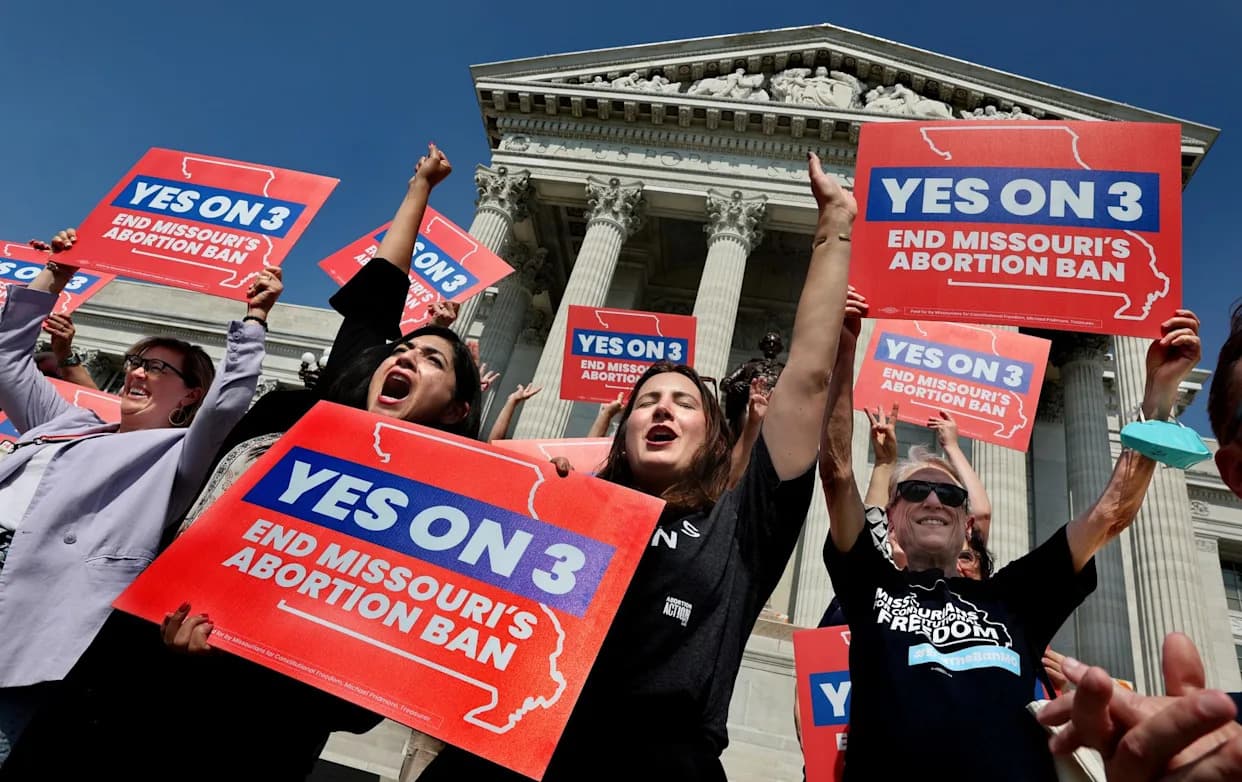
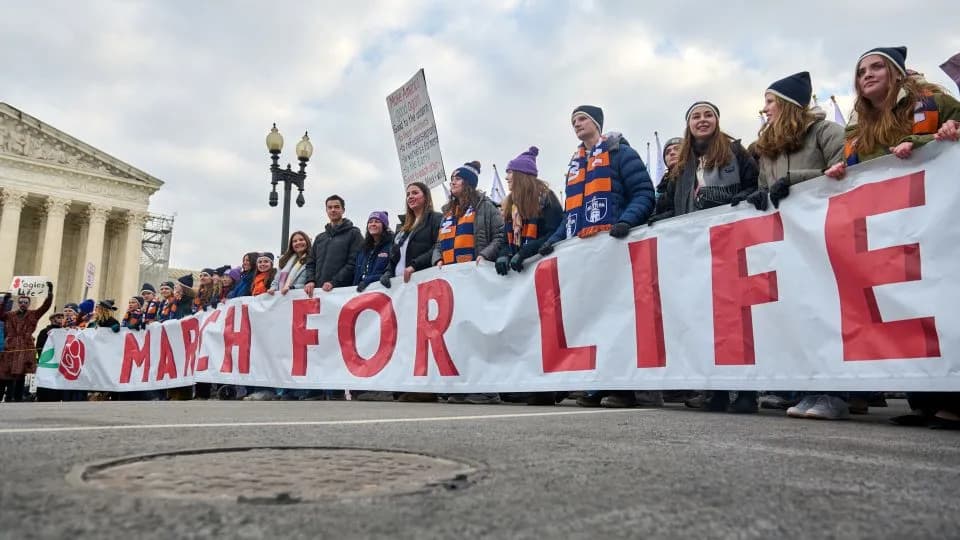
Demonstrators celebrate after a Missouri supreme court ruling, on 10 September 2024 in Jefferson City, Missouri.Photograph: Robert Cohen/AP(Photograph: Robert Cohen/AP)
After voters in several states approved constitutional protections for abortion, legal and legislative battles have continued to shape access. Advocates who hoped ballot measures would swiftly clear the way for care say they are instead confronting lingering clinic regulations, telemedicine restrictions and new bills from conservative lawmakers that could undo voters' intentions.
Missouri: A Case Study
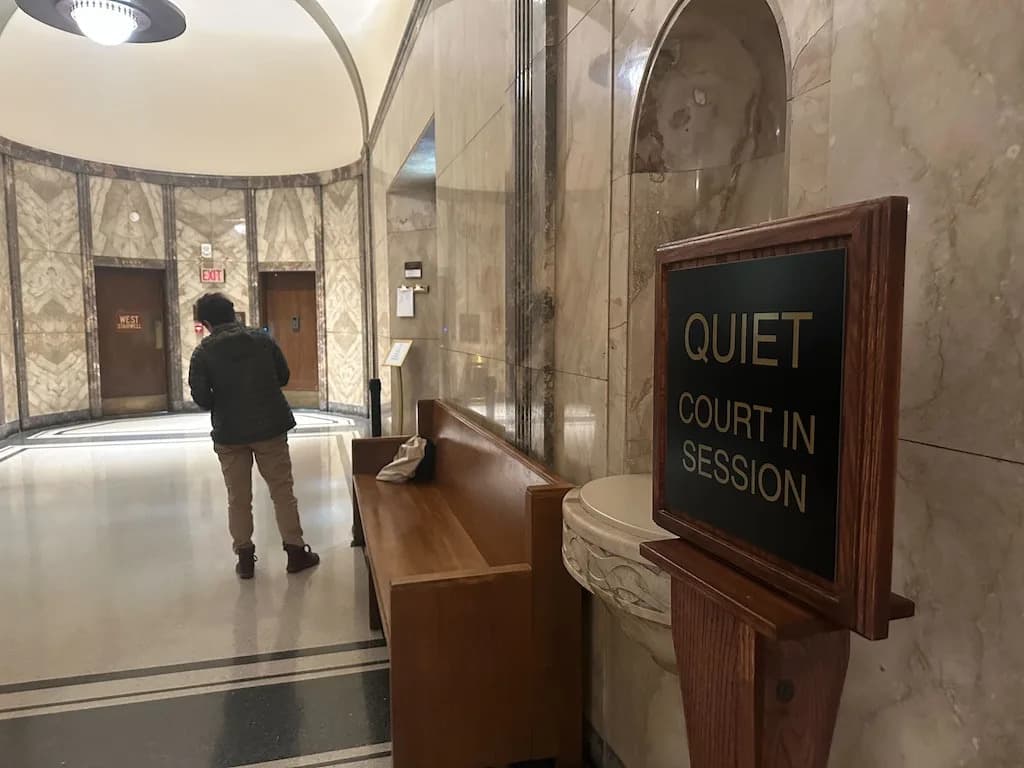
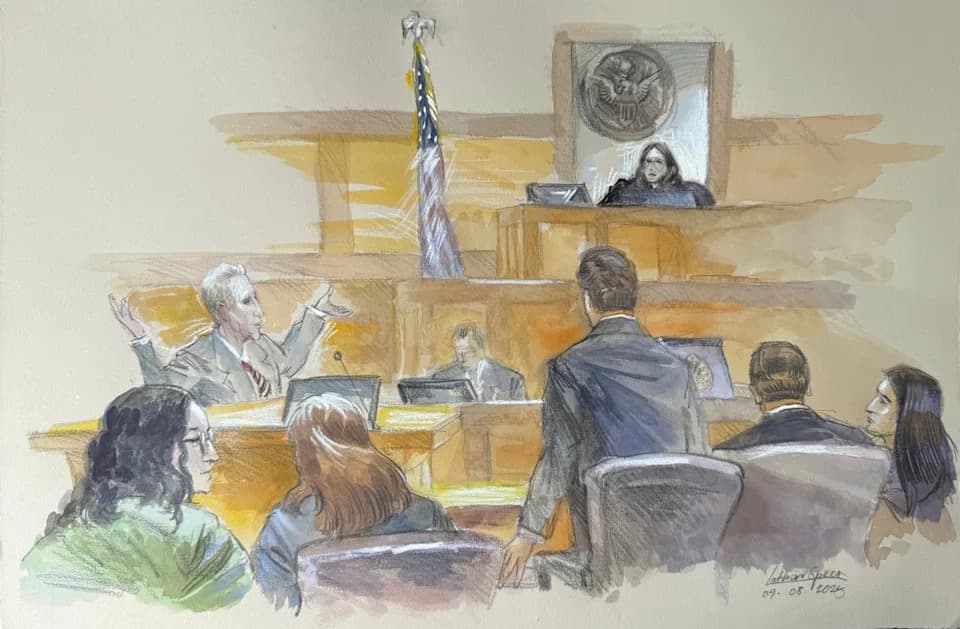
Missouri voters repealed a near-total abortion ban and enshrined abortion rights in the state constitution in 2024. The day after the election, abortion providers filed suit not only to challenge the old ban’s constitutionality but also to dismantle dozens of operational rules they say make care effectively impossible. A two-week trial over those restrictions concluded this week, but a ruling could take several months.
What Providers Are Challenging
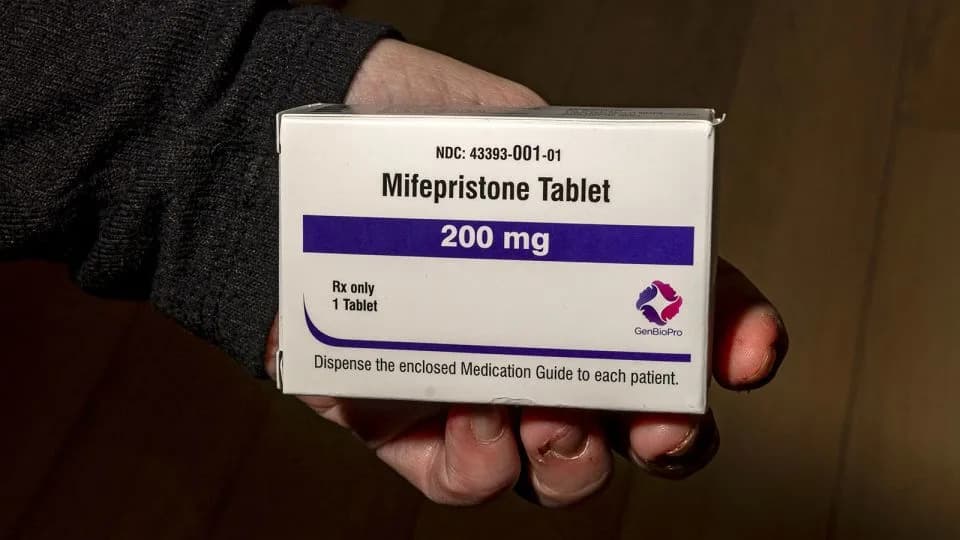
Providers have asked the court to strike down a range of rules, including a ban on prescribing abortion medication via telehealth, a requirement that physicians prepare detailed complications plans, and a 72-hour waiting period after an initial consultation. Attorneys for providers say these are classic TRAP (targeted regulation of abortion providers) laws that single out abortion care, imposing burdens not required for comparable medical procedures.
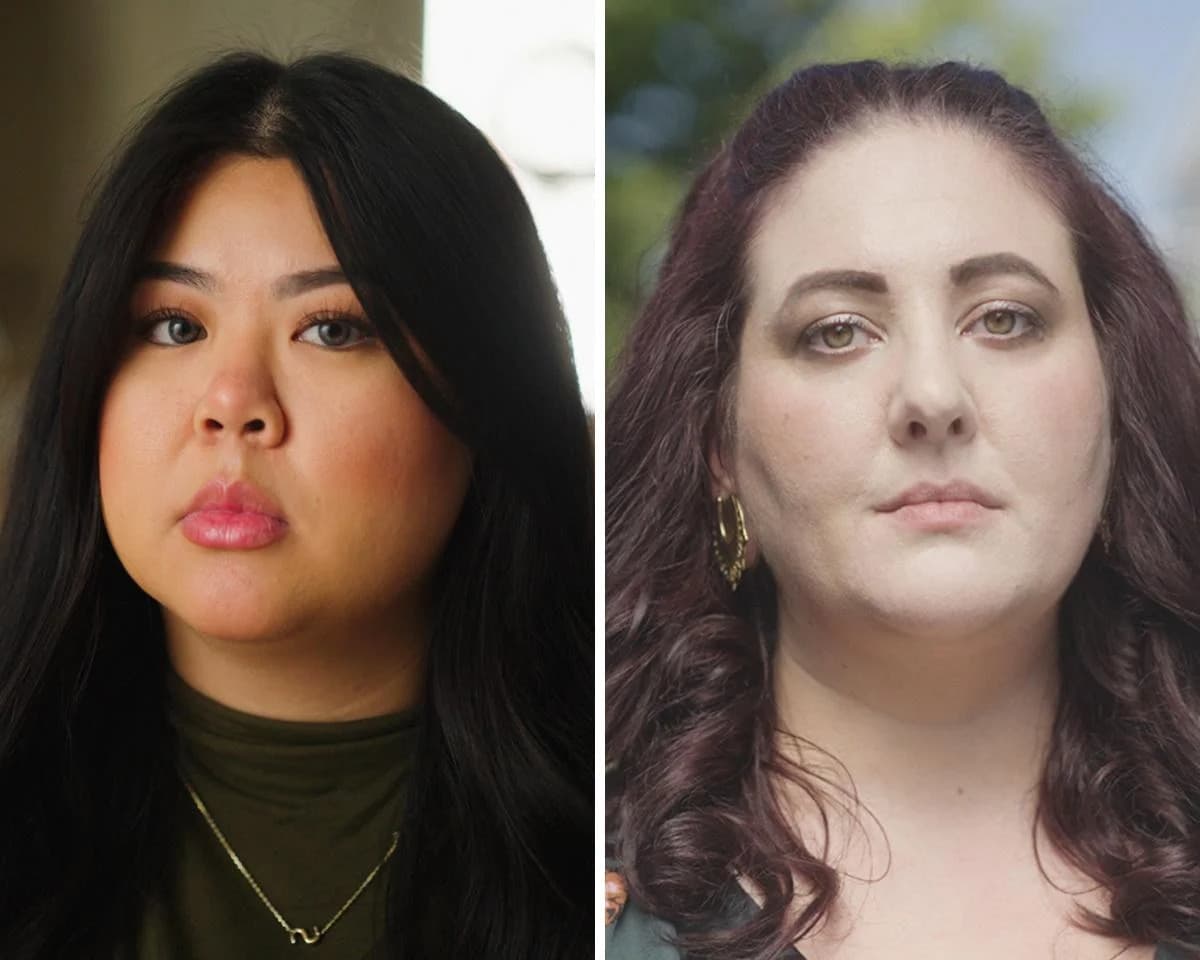
"I provide vasectomies routinely," testified Dr. Margaret Baum, chief medical officer at Planned Parenthood Great Rivers. "I am not required to have a complication plan, contact a primary care physician, or even ask how many miles a patient lives from the health center."
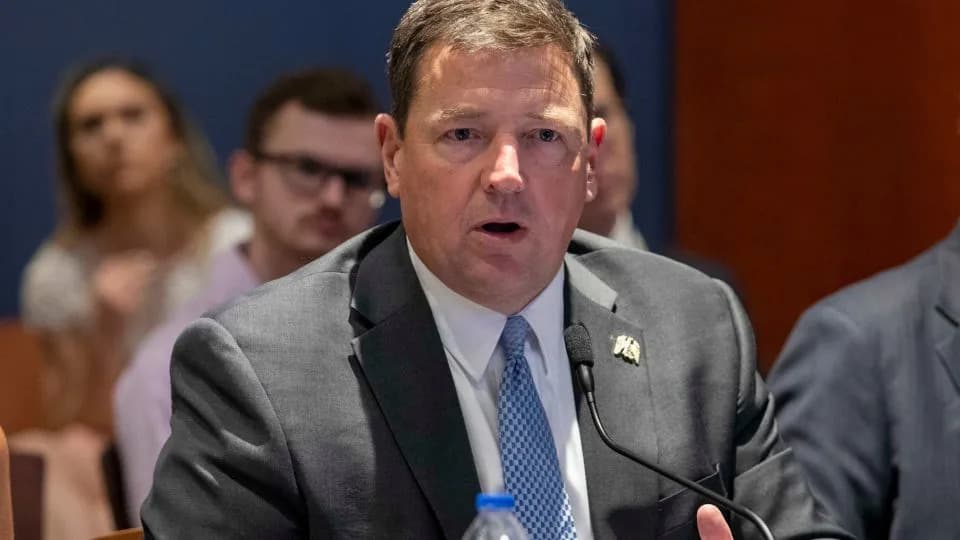
Missouri officials defended the measures as safety rules. Missouri's deputy solicitor general, Peter Donohue, told the court: "If they’re safe, these requirements don’t burden them."
Parallel Legal Battles In Other States
Similar fights are underway across the country. Advocates are litigating TRAP-style laws, telemedicine bans and mandatory waiting periods in Arizona, Michigan, Montana, Nevada and Ohio. Examples include:
- Arizona: Trial over a two-visit, 24-hour waiting requirement and a ban on telemedicine abortion.
- Ohio & Michigan: Challenges to 24-hour waiting-period laws and other clinic restrictions.
- Montana: Litigation over 2024 licensing rules that could force clinics to close.
- Nevada: Lawsuit seeking to overturn a 1985 parental-notification law for minors.
Political Countermoves
Beyond courtroom fights, conservative legislators in some states are pursuing measures that could undercut voter-approved protections. Proposals to expand "fetal personhood" and bills that would broaden licensing or criminalize assistance with out-of-state care have been introduced or advanced in several statehouses. Arizona's GOP-controlled legislature has pushed multiple fetal-personhood bills this year; if enacted, such laws could conflict directly with the protections voters approved in 2024.
Why Ballot Wins Aren't The End
Advocates point out that constitutional amendments change law but do not automatically clear dozens of existing statutes, administrative rules and enforcement practices. Even after voters enshrine rights, courts and legislatures must interpret and reconcile remaining restrictions. In Missouri, for example, stringent clinic rules had already reduced recorded abortions to just 167 in 2020—a 97% decline from 2010—illustrating how regulatory burdens can obstruct access long before a ban is in place.
What Comes Next
Even if providers prevail in court, access may remain fragile. Anti-abortion groups in Missouri have already qualified a 2026 ballot measure that would effectively repeal the 2024 constitutional amendment if voters approve it. Advocates say securing access will require sustained legal challenges, legislative engagement and grassroots organizing to ensure the protections voters approved can be exercised in practice.
Help us improve.