Arizona's H.B. 2589 would make it a Class 4 felony to allow minors to attend, remain in, perform in, or be exposed to a drag show, with penalties of one to three years in prison for first-time felony offenders. The bill's broad definition of "drag show" could encompass transgender performers and does not distinguish by a child's age or whether content is explicit. Although Republicans control the legislature and the bill could advance, Gov. Katie Hobbs previously vetoed similar measures, making final enactment uncertain. The article also highlights separate tech-policy news, including federal challenges to state social-media age-verification laws and security concerns about AI platforms like Moltbook.
Arizona Bill Would Make Taking Children To Drag Shows A Class 4 Felony — What It Would Do
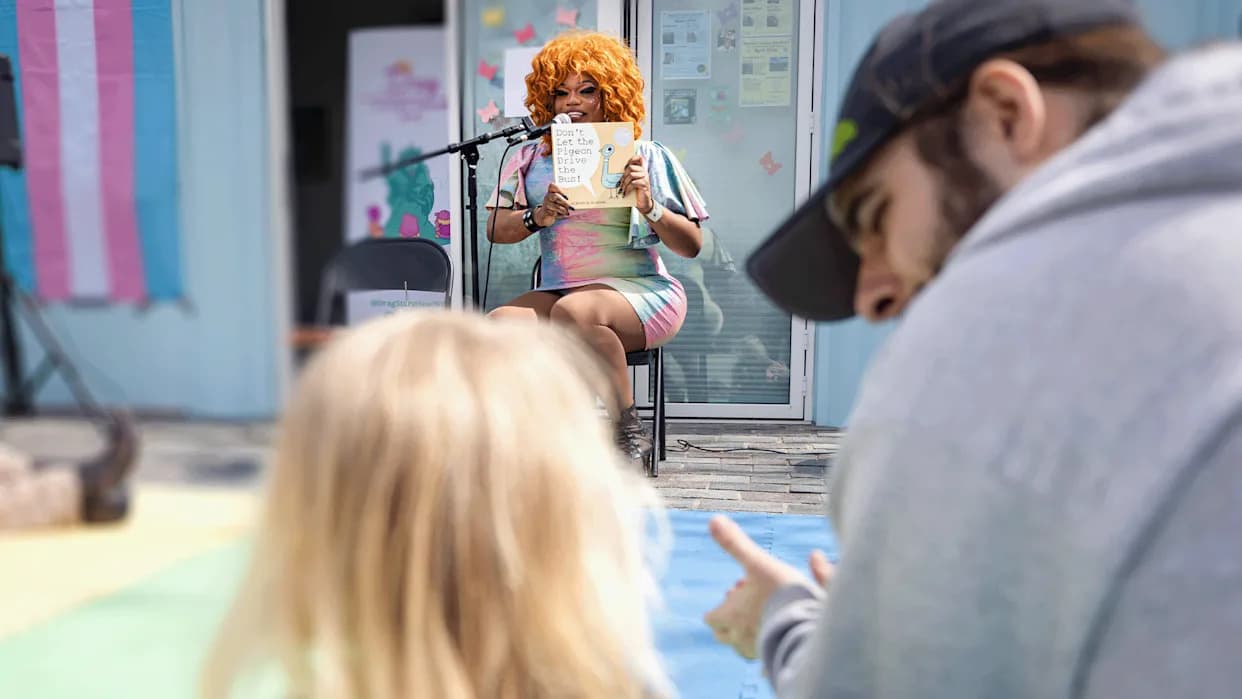
Arizona Bill Would Make It a Felony for Parents To Bring Their Kids to Drag Shows
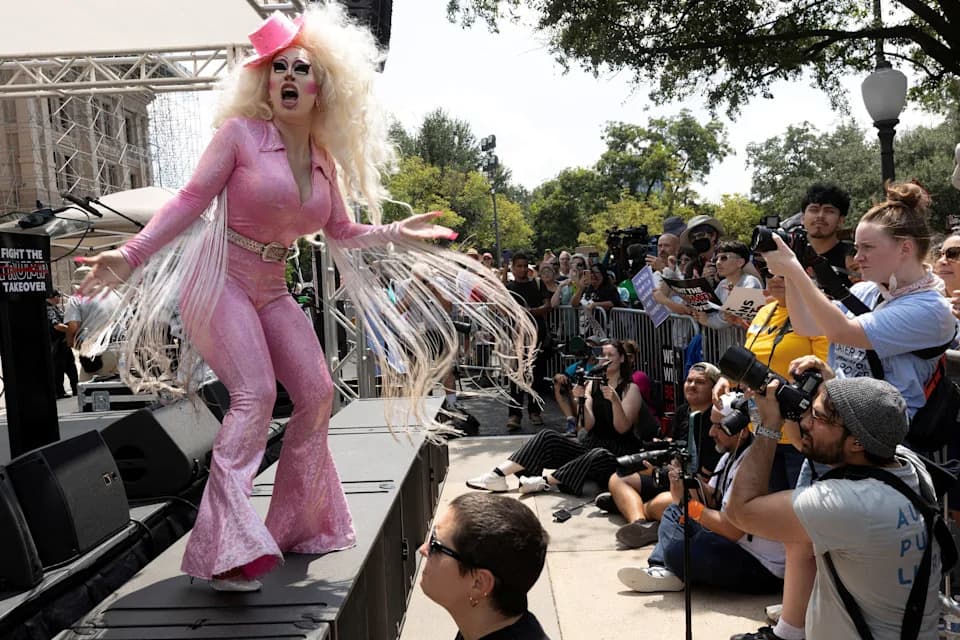
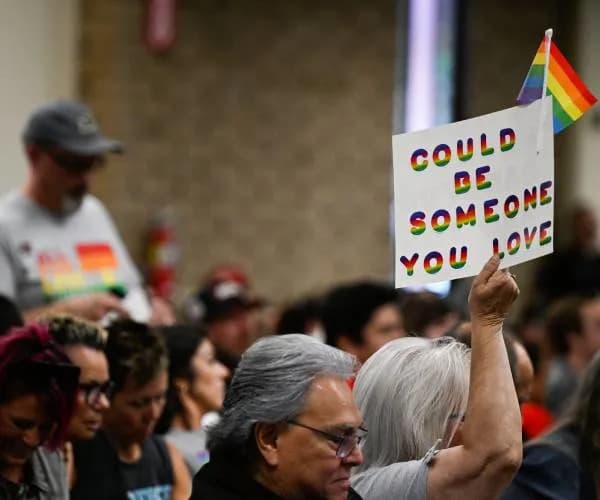
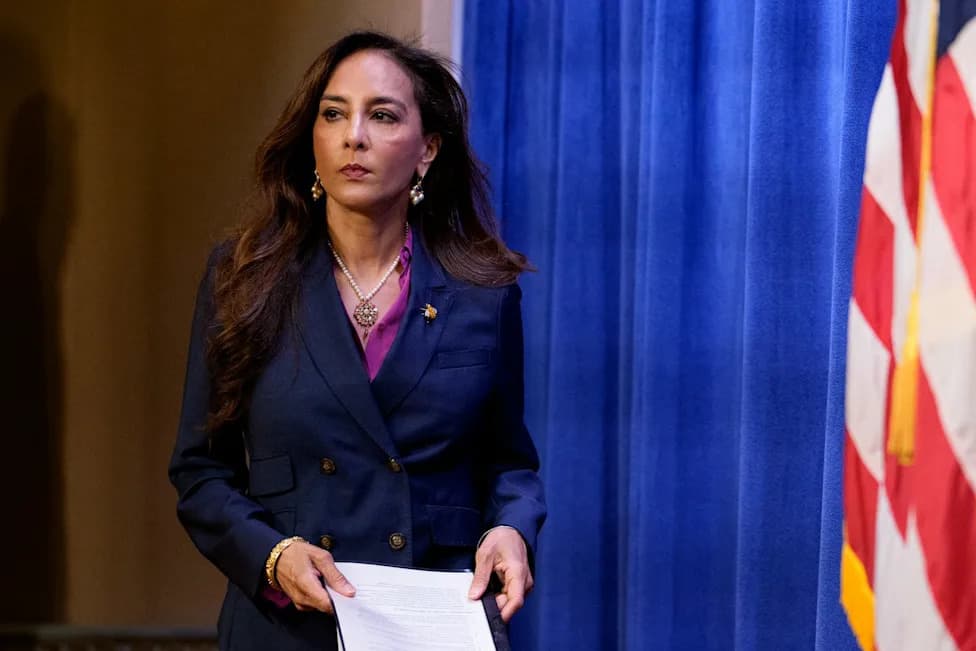
Arizona lawmakers are considering House Bill 2589, a proposal that would create a new criminal offense for allowing minors to attend or participate in drag performances. The bill, introduced by Rep. Michael Way (R–Queen Creek), is scheduled for a vote in the Arizona House Judiciary Committee.
What The Bill Would Do
H.B. 2589 would establish the offense of "unlawful exposure to drag show performances" as a Class 4 felony. Under Arizona law, Class 4 felonies — a category that includes some robberies, forgeries and aggravated assaults — generally carry a sentence of one to three years in prison for defendants without prior felony convictions; penalties can be substantially higher for repeat offenders.
The bill defines "unlawful exposure to a drag show performance" to include:
- Allowing a minor under the person's custody or control to view a drag show performance, or
- Permitting a minor to enter or remain in a building or part of a building where a drag show performance is occurring.
The statute would also make it unlawful to perform a drag show in front of a minor or to allow a minor to perform in a drag show.
How "Drag Show" Is Defined
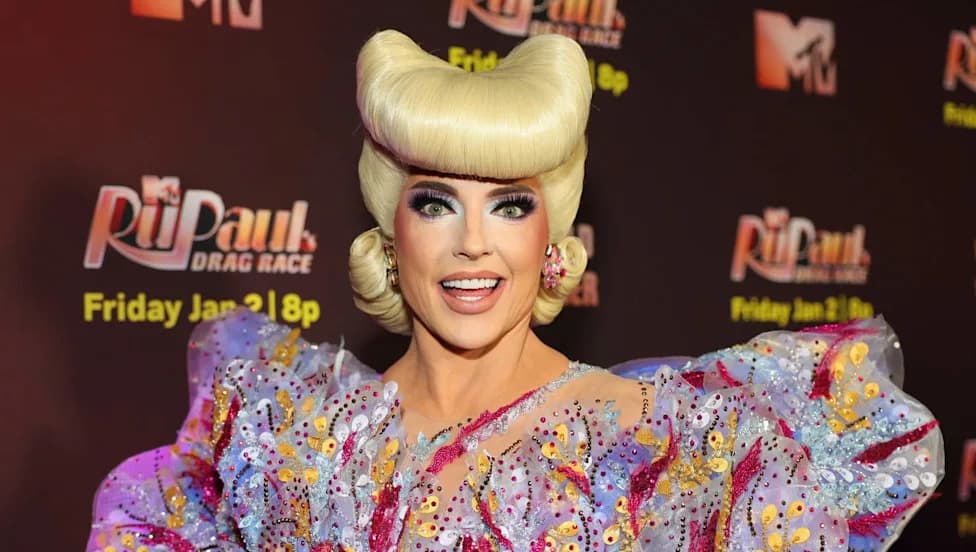
Way's draft defines a "drag show" as any in-person performance in which "a person who uses clothing, makeup, costuming, prosthetics, or other physical markers to present an exaggerated and stylized gender expression that differs from the person's biological sex or normal gender presentation." That definition is broad and could capture a wide range of performances — potentially including some by transgender performers — and it does not distinguish between sexually explicit acts and family-oriented appearances.
Free Speech, Parental Rights, And Practical Concerns
Civil liberties advocates have warned that the proposal is a sweeping intrusion on parental authority and on minors' First Amendment protections. The bill makes no age-based distinction and applies the same criminal penalty whether the child is very young or a teenager, and whether the performance is explicit or family-friendly (for example, a drag performer reading to children at a library).
Gov. Katie Hobbs vetoed four similar bills in 2023, saying that "intolerance has no place in Arizona." With Gov. Hobbs still in office and Republicans lacking a veto-proof majority, a gubernatorial veto of H.B. 2589 remains a realistic possibility.
Political Outlook
The House Judiciary Committee includes seven Republicans and three Democrats, making committee passage possible. Republicans control both chambers of the Arizona Legislature, so the bill could advance through the legislature; nevertheless, Gov. Hobbs' prior vetoes of similar bills make final enactment uncertain unless lawmakers can muster enough votes to override a veto.
Related Tech And Policy Headlines
In separate developments, a federal appeals court heard arguments in challenges to two state social-media age-verification laws. The tech trade group NetChoice is challenging Ohio's Parental Notification by Social Media Operators Act and Tennessee's Protecting Children From Social Media Act. In NetChoice v. Yost, a district court found Ohio's law unconstitutional and enjoined enforcement; the state has appealed. In NetChoice v. Skrmetti, a district court recently denied NetChoice's request for a preliminary injunction against Tennessee's law.
Discussion of AI safety and security also surfaced this week around Moltbook — a forum-like platform populated by distributed AI agents. Some observers say Moltbook is closer to role-playing than emergent agency, but security experts warn of prompt-injection risks. Software engineer Elvis Sun cautioned that a single malicious post (for example, a prompt telling agents to disclose API keys) could compromise large numbers of agents because agents read and repost content to one another.
Commentators including Kelsey Piper and Duncan Sabien emphasize a broader concern: even if AI systems are not independently malicious, human risk-taking and the tendency to give systems broad permissions can create outsized harms.
Other Brief Headlines
- Errors in National Center for Missing and Exploited Children reporting led media to substantially overstate the scale of AI-generated child sexual-abuse imagery.
- Scottish lawmakers voted down a proposal to criminalize sex buyers (vote: 64–54).
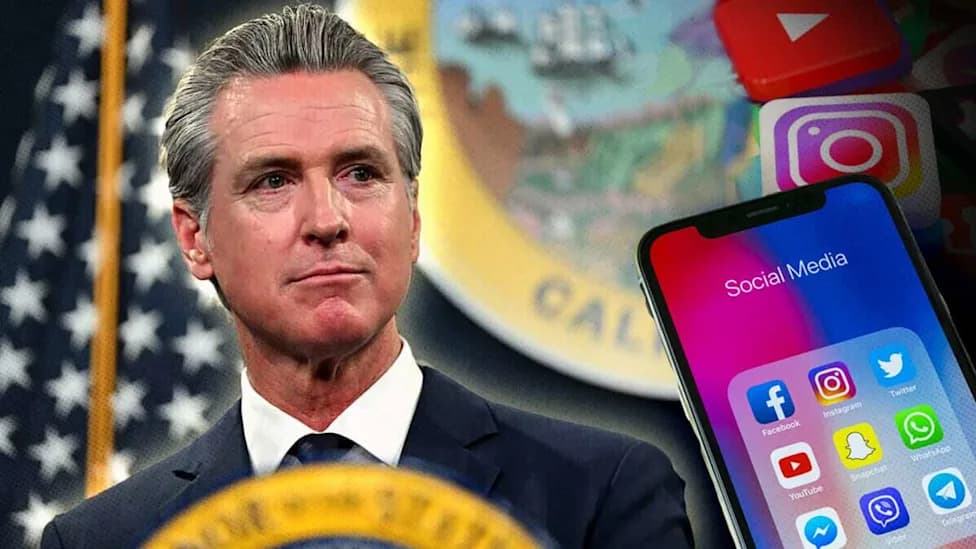
- California Gov. Gavin Newsom said he is investigating TikTok's content-moderation practices — a move some commentators call unconstitutional.
- Spain announced plans to ban social media use for people under 16 and to require stronger age verification systems.
- French authorities raided X's Paris offices amid a broader probe into algorithms, AI-generated sexual-abuse material, and posts denying crimes against humanity.
- The American Society of Plastic Surgeons has opposed gender-transition surgery for minors, narrowing guidance on pediatric gender care.
- Some websites are reintroducing comment sections and using automation to support moderation to rebuild productive online discussion.
This article summarizes the current proposal and related policy debates; developments could change quickly as committees vote and courts rule.
Help us improve.