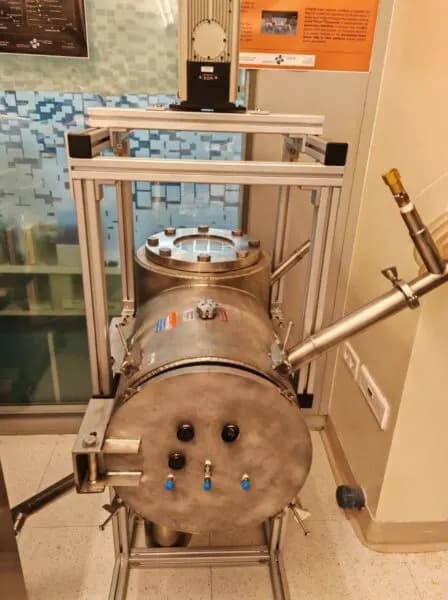
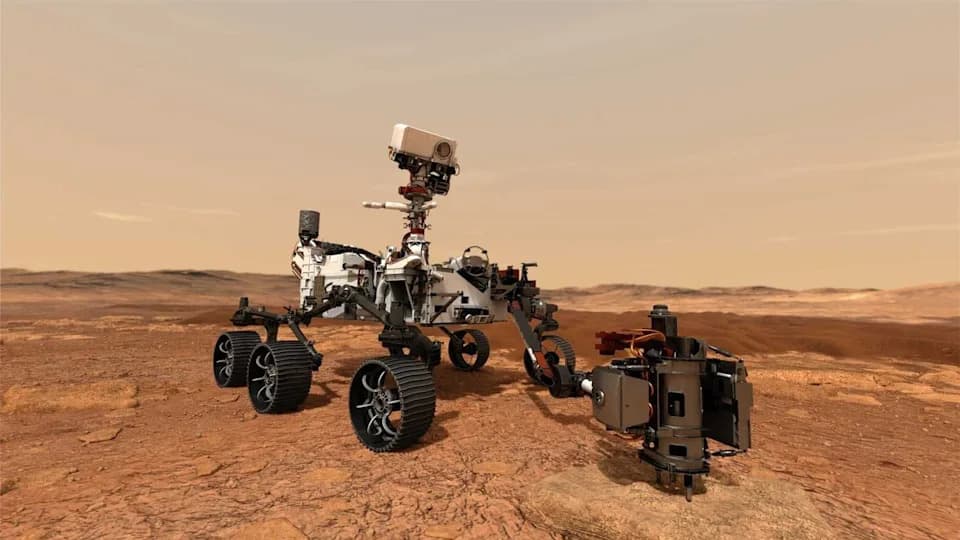
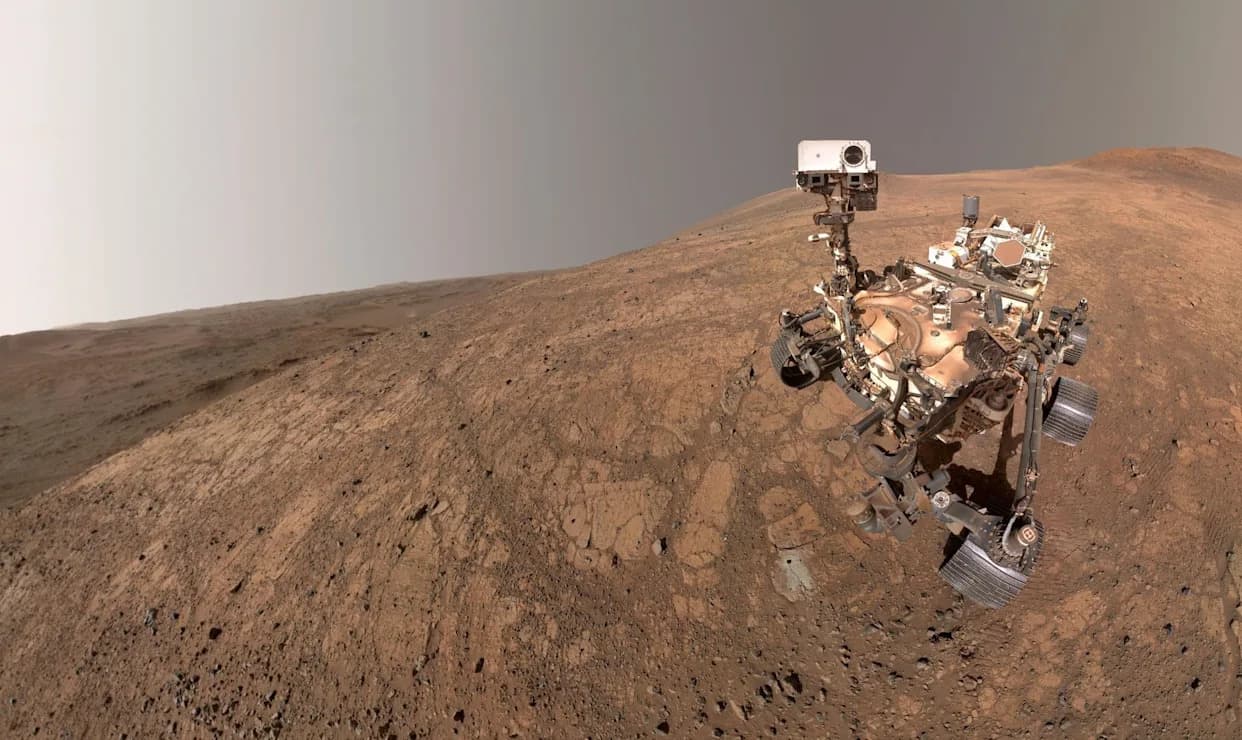
Sandia National Laboratories recently put NASA’s VIPER rover through extreme preflight testing, exposing it to more than 300 Gs in a centrifuge as well as vibration, thermal cycling and shock. The trials took place in Sandia’s unique 29-foot "Superfuge," which can replicate launch and reentry stresses. These tests validate VIPER’s hardware before its planned 2027 mission to map water concentrations on the Moon.
Inside Sandia’s 'Superfuge': VIPER Rover Survives 300+ Gs in NASA Preflight Tests
ALBUQUERQUE, N.M. — NASA’s VIPER rover, built to map water concentrations on the Moon, recently underwent extreme preflight testing at Sandia National Laboratories. Engineers placed the rover in a centrifuge and subjected it to forces, vibrations and temperature swings designed to simulate the stresses of launch and reentry.
Extreme Environmental Trials
The test program exposed VIPER to more than 300 Gs in Sandia’s centrifuge and included sustained vibration, high-speed spin, thermal cycling and shock events. These controlled tests help engineers verify the rover’s structural integrity and the resilience of its electronics and instruments under real mission conditions.
Why Sandia?
Sandia was selected for the testing because it houses a one-of-a-kind, 29-foot "Superfuge" capable of recreating the intense forces spacecraft components experience during launch and return. The facility’s unique capabilities allow NASA to stress-test hardware at scales and intensities not available elsewhere.
Mission Outlook
VIPER’s mission—to map the location and concentration of water ice on the lunar surface—remains on track, with operations expected to begin in 2027. Data from these tests will increase confidence that VIPER can survive launch, perform its science objectives on the Moon, and return reliable measurements.
Local Note
In other local news, $67 million has been approved to redevelop a section of Expo New Mexico.
For more local coverage and video, visit KRQE News 13.
Help us improve.