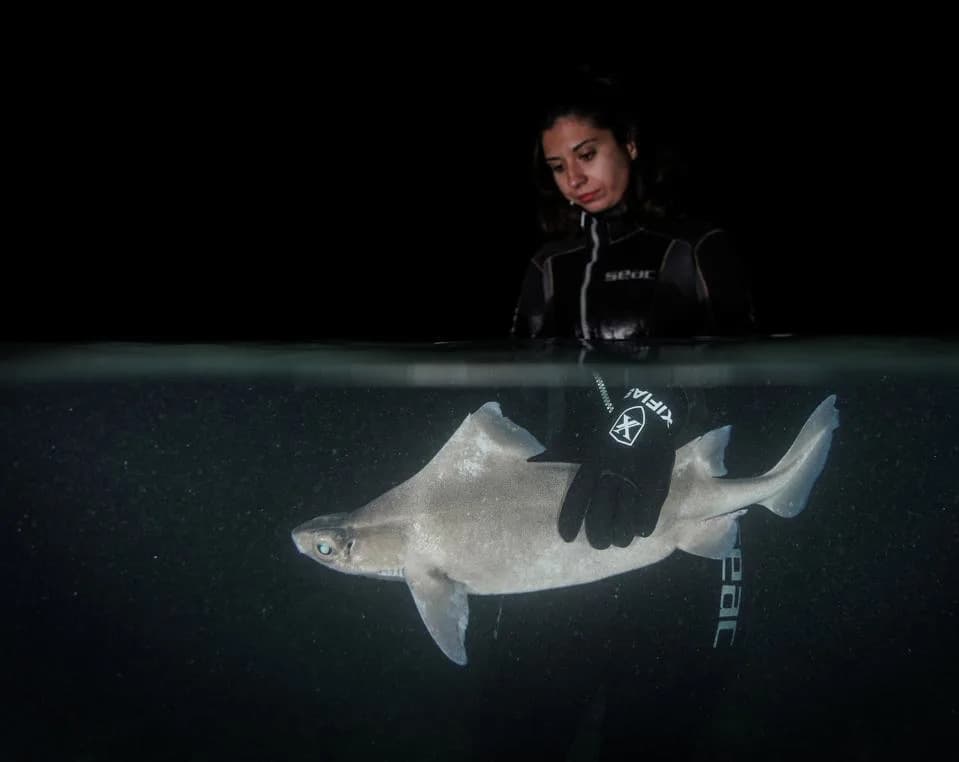
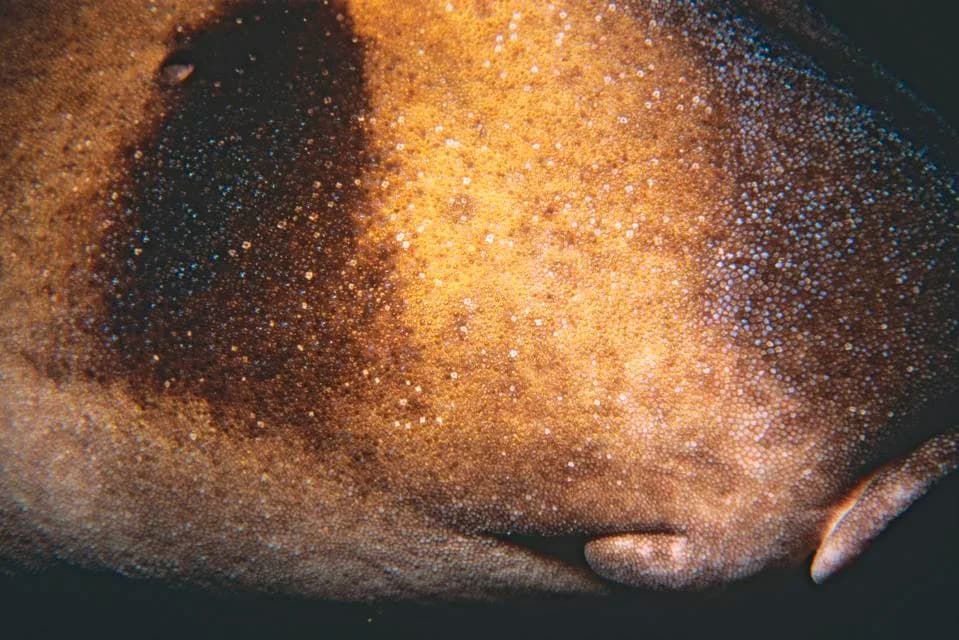
The Stanford-led study shows global shark biodiversity is declining, with the most vulnerable species being those with unusual body plans and specialized roles. Scientists warn this could lead to a homogenized shark community—"survival of the blandest"—dominated by medium-sized, mid-depth species. Major threats include overfishing, habitat loss, warming oceans, pollution and microplastics; researchers say stronger protections, enforcement, and reduced plastic use could help reverse the trend.
Shark Diversity Is Collapsing — Scientists Warn of a Future of 'Survival of the Blandest'

A Stanford-led study finds global shark biodiversity is declining, and the species most at risk are those with unusual body shapes and highly specialized ecological roles. Researchers warn that continued extinctions could dramatically reduce the variety of shark traits and behaviors that have evolved over millions of years.
The paper describes a likely future of "survival of the blandest," in which shark assemblages become dominated by medium-sized species confined to a narrow mid-depth band. Losing distinctive species—from surface swimmers to deep-sea specialists—would erase unique morphologies and the ecological functions those forms support.
"With this huge loss of shark traits, humans would be undoing all of this evolutionary work that's gone on for millions and millions of years," said senior study author Jonathan Payne. "When we undo all of this work, we're not only losing things that give us joy, but we're also losing potential practical evolutionary solutions to problems, such as disease treatments or insights into new materials. We lose in basically every way when we drive species extinct."
Why Sharks Matter
Sharks are vital ecosystem engineers. As top predators, they help regulate prey populations, which in turn protects habitats such as seagrass meadows, coral reefs, and kelp forests. Healthy shark populations also support coastal economies through fishing management benefits and ecotourism.
Key Threats
Sharks face multiple, interacting threats: overfishing and targeted removal for fins, habitat destruction, warming oceans, and pollution including marine debris and microplastics. Recent studies have linked microplastic contamination to serious reproductive abnormalities in some shark species, underscoring the hidden, long-term impacts of pollution.
What Can Be Done
The researchers emphasize that these trends are reversible with stronger conservation measures: tougher laws, better enforcement, international cooperation, protected areas that cover essential habitats, and shifts in human behavior. For example, Brazil is considering expanded legal protections for blue sharks, a species often targeted by the fin trade.
Individual actions also help: reducing single-use plastics, supporting sustainable seafood choices, and backing habitat-protection policies can reduce pressures on shark populations and the wider marine environment.
Bottom line: Protecting shark diversity preserves ecological balance, economic benefits, and evolutionary potential—losses that would be costly and largely irreversible.
Help us improve.