Researchers analyzed data from more than 19,600 three- and four-year-olds in six countries and found that exposure to average monthly maximum temperatures above 86°F was associated with a 5%–7% lower likelihood of meeting early literacy and numeracy milestones. The negative associations were strongest for children from poorer households, those without clean water and urban residents. Authors note the study is observational and call for more research to identify mechanisms and guide protective policy measures.
Rising Heat May Impair Young Children’s Early Learning, International Study Warns

A new multinational study warns that sustained exposure to unusually high temperatures may hinder early childhood cognitive development, particularly literacy and numeracy skills.
Researchers report that children who grew up with average monthly maximum temperatures above 86°F (30°C) were significantly less likely to meet expected developmental milestones for reading, writing and mathematics than peers experiencing cooler months. The analysis, published in the Journal of Child Psychology and Psychiatry, examined data for more than 19,600 three‑ and four‑year‑olds across six countries: Gambia, Madagascar, Malawi, Sierra Leone, Georgia and Palestine.
The team matched child-level information on education, health, nutrition and sanitation with local average monthly temperature records to test for associations between heat exposure and early development outcomes. Children exposed to average monthly maximums above 86°F were roughly 5%–7% less likely to meet basic literacy and numeracy milestones than those living where average maximums were below 79°F.
Effects were more pronounced among children from lower-income households, families without access to clean water and those living in urban settings, suggesting that socioeconomic and environmental factors increase vulnerability to heat-related developmental risk.
“Because early development lays the foundation for lifelong learning, physical and mental health, and overall well‑being, these findings should alert researchers, policymakers and practitioners to the urgent need to protect children's development in a warming world,” said lead author Jorge Cuartas, an assistant professor of applied psychology at New York University.
The study is observational and cannot prove causation. The authors call for more research to identify the biological, social and environmental mechanisms that could explain these links — for example, whether heat reduces children’s opportunities for learning, affects caregivers’ capacity, increases illness, or interacts with factors such as nutrition and sanitation.
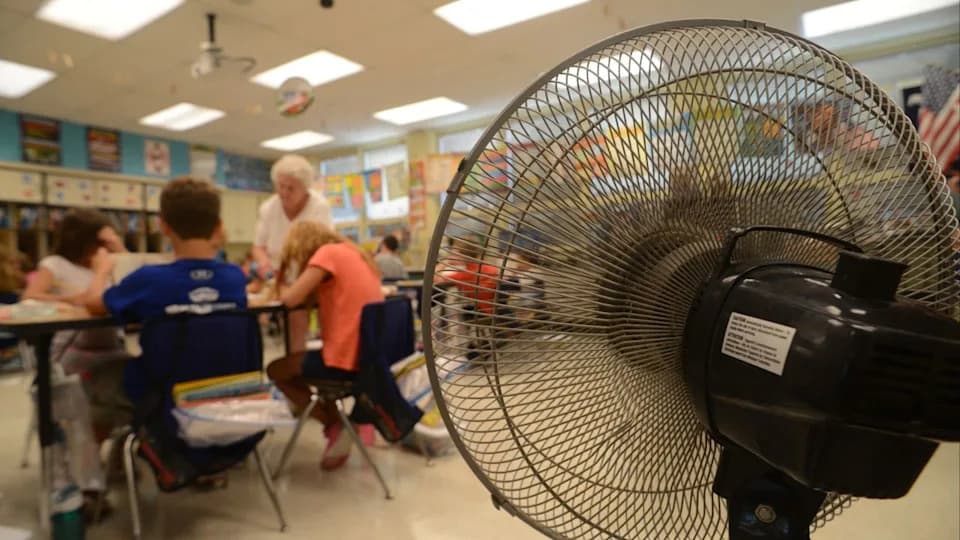
Policy implications include strengthening climate adaptation strategies that protect young children: improving access to clean water, cooling and shaded spaces, heat‑resilient childcare and preschool environments, and targeted support for the most vulnerable households. The researchers emphasize the need for further studies to pinpoint effective interventions and resilience measures as global temperatures rise.
For readers seeking additional background on early childhood development and climate risks, the authors point to resources from institutions such as Harvard University.
Help us improve.