The University of Oxford study warns that nearly 3.8 billion people could face extreme heat by 2050, with the population exposed potentially almost doubling under a 2°C warming scenario. Most of the projected impact could arrive this decade as the world nears 1.5°C. Tropical and developing nations will suffer the largest health and energy burdens, while cold-climate countries risk being dangerously underprepared. Authors call for rapid rollout of sustainable cooling, passive design and urban adaptation measures.
World Unprepared for Extreme Heat Surge — Nearly 3.8 Billion Could Be Affected by 2050, Scientists Warn

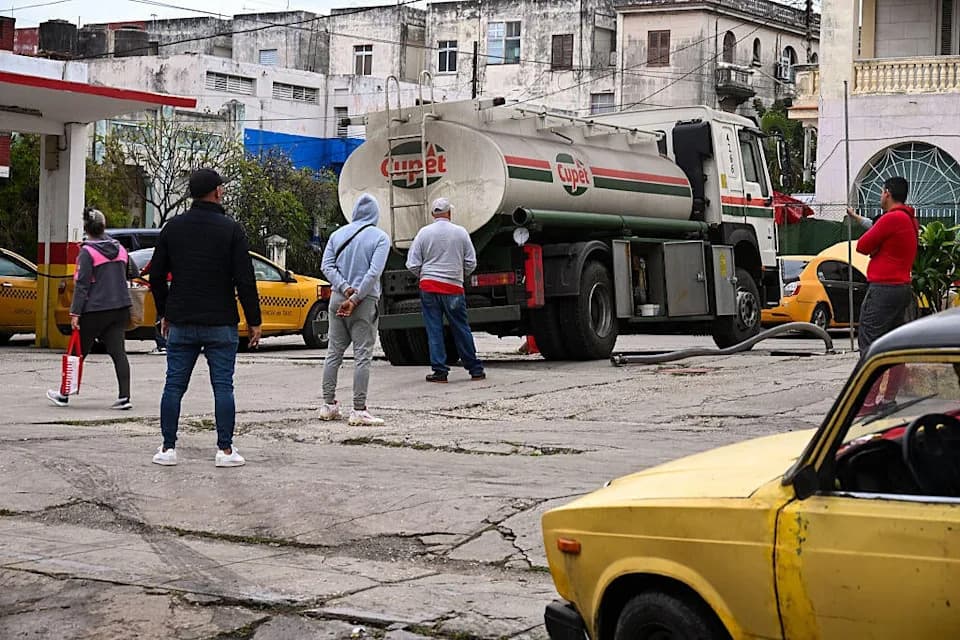
Climate change could mean billions of people face extreme heat around the globe by 2050, mostly in poorer countries but also in cold-climate nations (Mukesh GUPTA)(Mukesh GUPTA/AFP/AFP)
Nearly 3.8 billion people could be exposed to extreme heat by 2050, and researchers warn that governments and cities are running out of time to prepare.
A new study from the University of Oxford, published in Nature Sustainability, modeled multiple warming scenarios and found the population exposed to extreme heat could nearly double by mid-century under a 2°C rise above preindustrial levels. Crucially, the authors say much of the impact will arrive this decade as the world approaches 1.5°C of warming.
Who Will Be Hit Hardest
The greatest burden will fall on tropical and equatorial regions, where "cooling degree days" — the number of hot days requiring mechanical or passive cooling — are projected to climb dramatically. Countries with very large populations such as Brazil, Indonesia and Nigeria, plus many African and South Asian nations (including India, the Philippines and Bangladesh), face steep increases in cooling demand while hundreds of millions currently lack effective air conditioning.
Cold-Climate Nations Aren't Immune
Even typically cool countries — Canada, Russia and Finland among them — may be caught off-guard. Under warming scenarios buildings and public transport systems designed for cold climates often lack ventilation and air conditioning, meaning even modest increases in hot days could have outsized health and infrastructure impacts. The study also projects declines in "heating degree days" in some cold nations, which could reduce heating needs temporarily but likely be offset by rising cooling costs over time.
Health, Energy and Equity Concerns
Prolonged exposure to extreme heat can overwhelm the body's cooling systems and cause illness ranging from dizziness and heat exhaustion to organ failure and death — why heat is often described as a "silent killer." The researchers emphasize that disadvantaged populations will bear the brunt: the regions with the largest projected increases in dangerously hot days are often those with the least access to resilient housing, reliable electricity and affordable cooling.
"The key takeaway is that the need to adapt to extreme heat is more urgent than previously recognised," said Jesus Lizana, the study's lead author. Co-author Radhika Khosla added: "Put simply, the most disadvantaged people will bear the brunt of our trend toward ever-hotter days."
What Needs To Be Done
The authors call for rapid deployment of adaptive infrastructure: sustainable air conditioning, passive cooling techniques, urban greening, and resilient power systems. They stress these measures must be planned and built within the next few years to protect public health and manage surging energy demand, particularly in densely populated developing nations.
Bottom line: The study highlights an urgent, global adaptation challenge — one that crosses income levels and regions. Preparing now for more frequent and intense heatwaves will reduce preventable illness, protect vulnerable communities and help manage the coming spike in cooling-related energy use.
Source: University of Oxford study in Nature Sustainability. Lead author: Jesus Lizana. Co-author: Radhika Khosla.
Help us improve.