Archaeologists recovered a shattered skull beneath the collapsed walls of La Loma and conclude it likely belonged to a Cantabrian defender decapitated during Rome's Cantabrian Wars (29–16 BCE). Radiocarbon, taphonomic, anthropological and DNA analyses place the remains in the late first century BCE and associate them with the siege and Roman occupation. Additional evidence — intensive arrow damage and weapons with cut marks — supports an account of close-quarters fighting and a deliberate Roman display intended to intimidate the local population.
Shattered Skull at La Loma Suggests Romans Displayed Severed Head as Siege Warning

Grisly Find at La Loma: A Warning Displayed by Roman Forces?
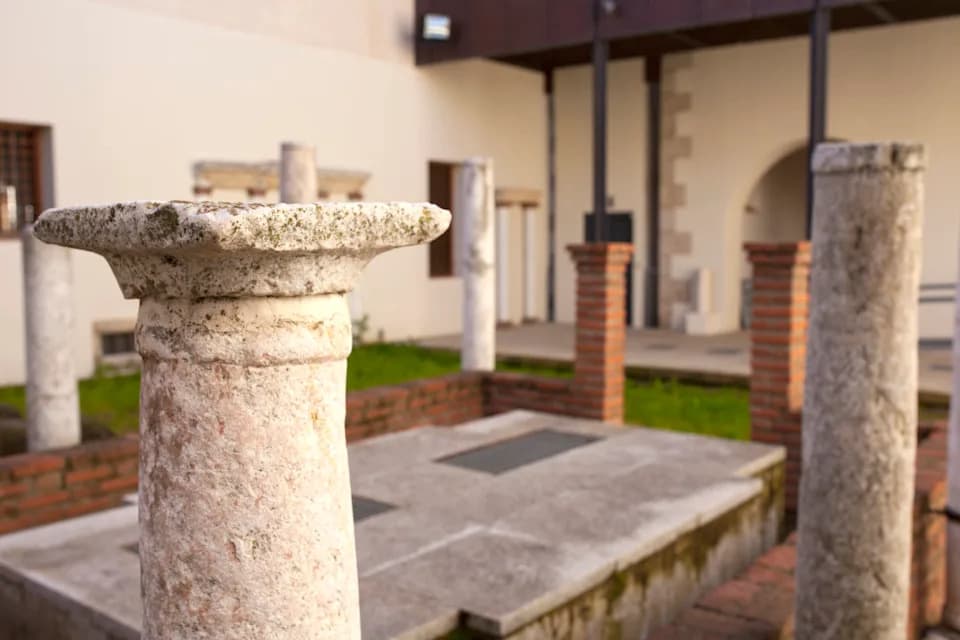
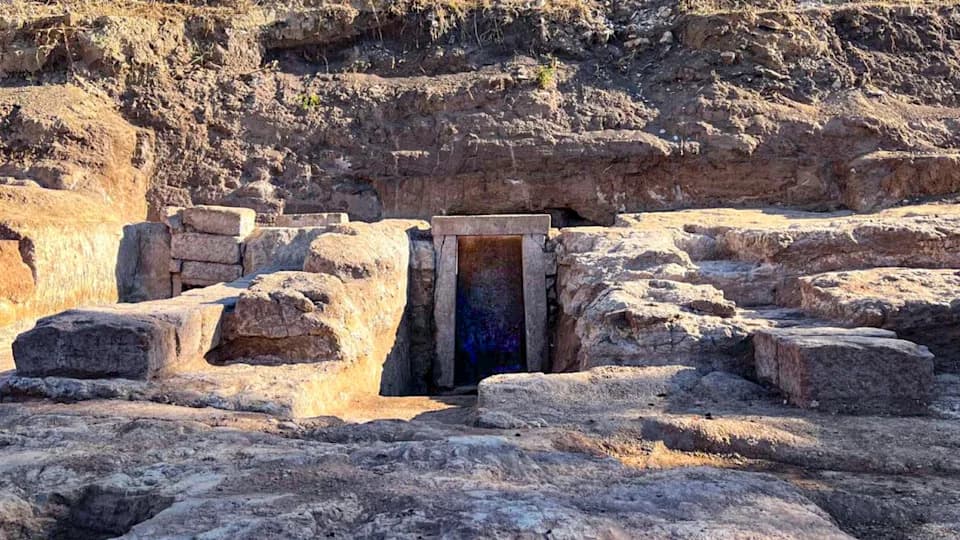
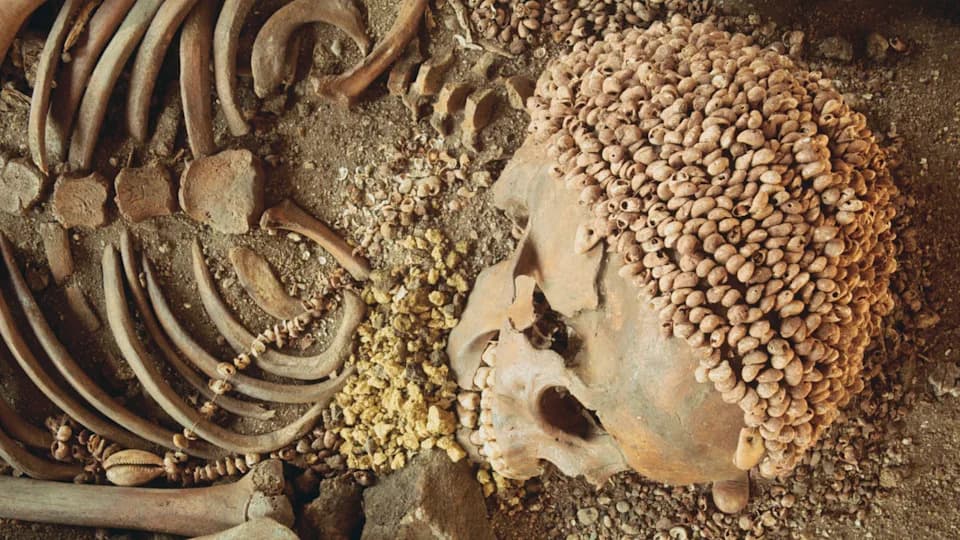
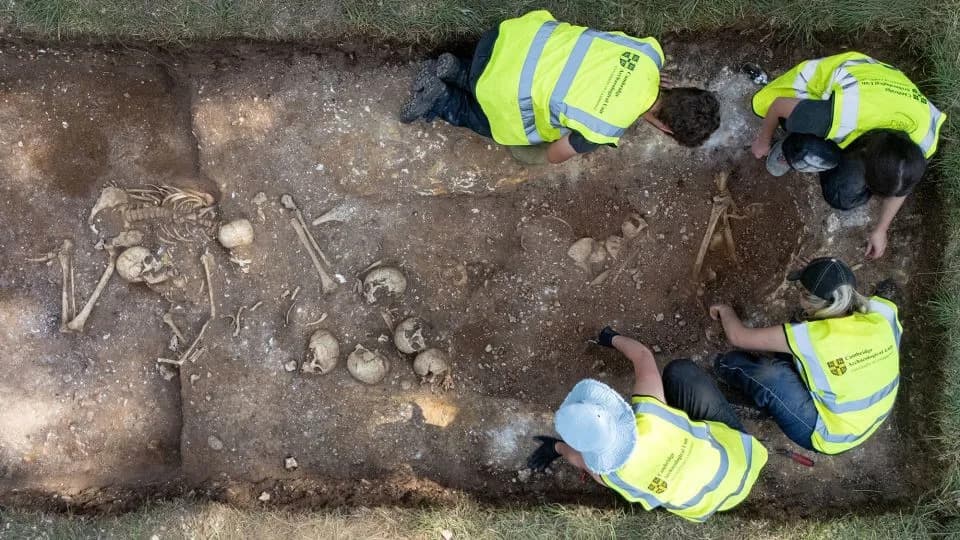
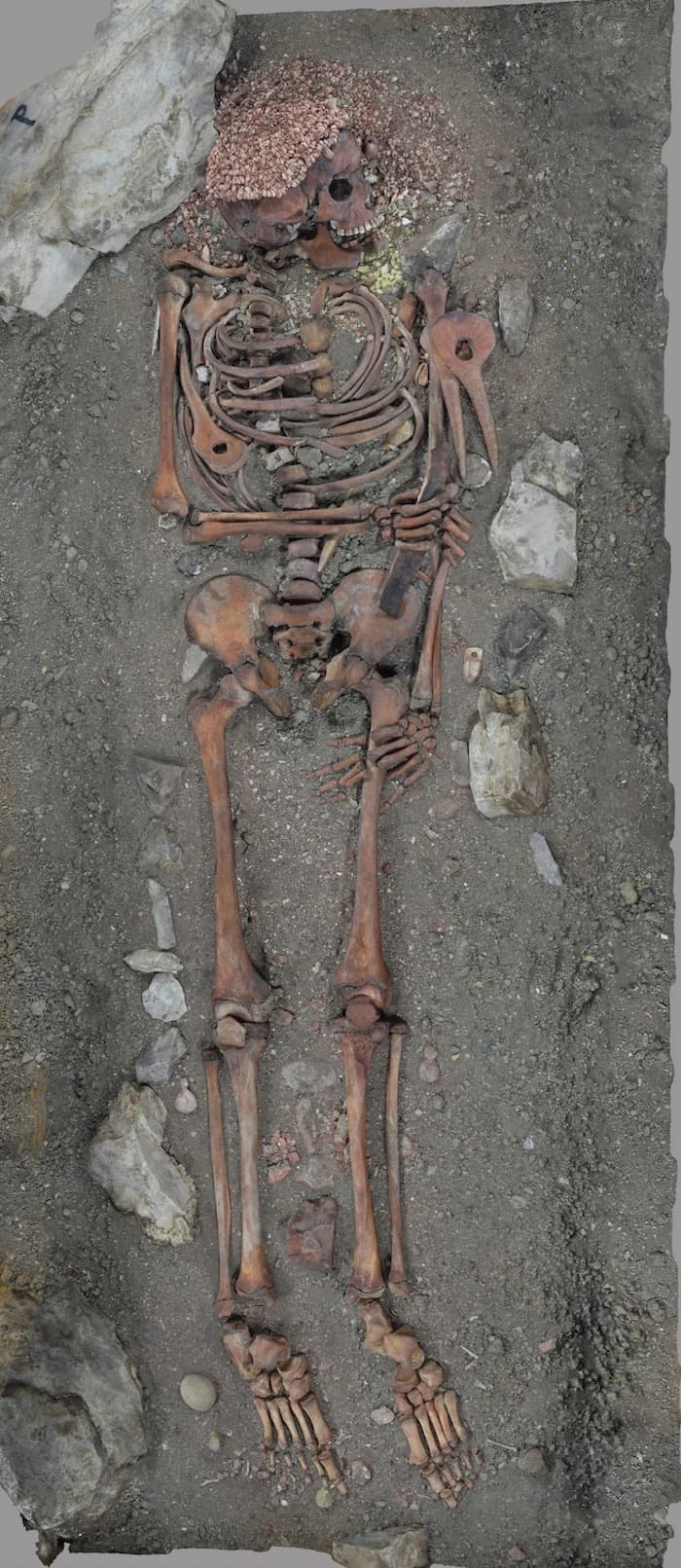
Archaeologists excavating the oppidum of La Loma (Santibáñez de la Peña, Palencia) have recovered a fragmented human skull that they interpret as the decapitated head of a defender, likely displayed by Roman forces during the Cantabrian Wars. The cranium was unearthed in 2020 beneath collapsed fortification walls and reported in a November 2025 article published by Cambridge University Press.
Scientific Evidence Links the Remains to the Siege
Multiple independent analyses support the interpretation that the skull belonged to one of the hillfort's defenders and dates to the late first century BCE. Radiocarbon dating, taphonomic and anthropological study, and DNA analysis place the remains within the timeframe of the Cantabrian Wars (29–16 BCE) and link the individual to the local Cantabrian population.
Researchers note that the skull fragments were recovered in the debris layer associated with the collapse of the walls after Roman occupation, with no signs of deliberate burial, suggesting a chaotic destruction rather than an organized interment.
Context and Interpretation
The team argues that the severed head would have been exhibited on the ramparts as a visible symbol of Roman victory and intimidation before the site was razed to prevent reoccupation. They attribute the siege and subsequent destruction to forces loyal to Octavian (later Augustus), either during his own campaign or under the command of Gaius Antistius Vetus.
Corroborating Battlefield Evidence
Excavators also documented extensive arrow damage to the fort's walls consistent with pre-assault missile barrages. On the interior floors they found fragments of defensive equipment, bladed weapons, belt buckles, and personal ornaments. Many of these items show cut marks and impact damage consistent with close-quarters fighting between Cantabrian defenders and Roman legionaries.
Significance
Taken together, the stratigraphic context and the suite of scientific analyses make a persuasive case that the shattered skull is connected to a violent Roman siege and a deliberate act of psychological warfare. The find illuminates both the ferocity of resistance by the Cantabri and the brutal methods used by Rome to consolidate control in northern Iberia.
Source note: The principal study is published as 'The human skull from the siege of La Loma (Santibáñez de la Peña, Palencia, Spain)' (Cambridge University Press, November 2025). The discovery was originally reported in popular press coverage, including Men’s Journal.
Help us improve.