The fragmented skull recovered at La Loma in northern Spain dates to the Cantabrian Wars and belongs to a man of local Iberian ancestry. Genetic testing (about 53% DNA preserved) allowed recovery of the full mitochondrial genome and identified him as male, with paternal lineages linked to the Basque region and overall affinity to Iron Age northern Spain. Found amid ash, weapons and armor fragments, the weathered cranium likely was exposed outdoors and may represent a Roman trophy used to intimidate local populations.
Roman Trophy at La Loma: Shattered Skull Reveals Brutality of the Cantabrian Wars

Roman Trophy at La Loma: Shattered Skull Reveals Brutality of the Cantabrian Wars
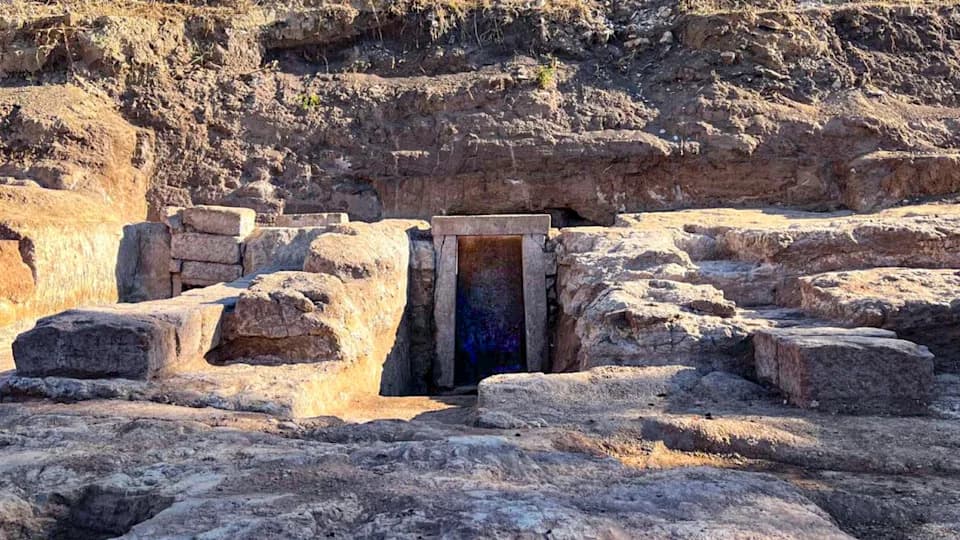
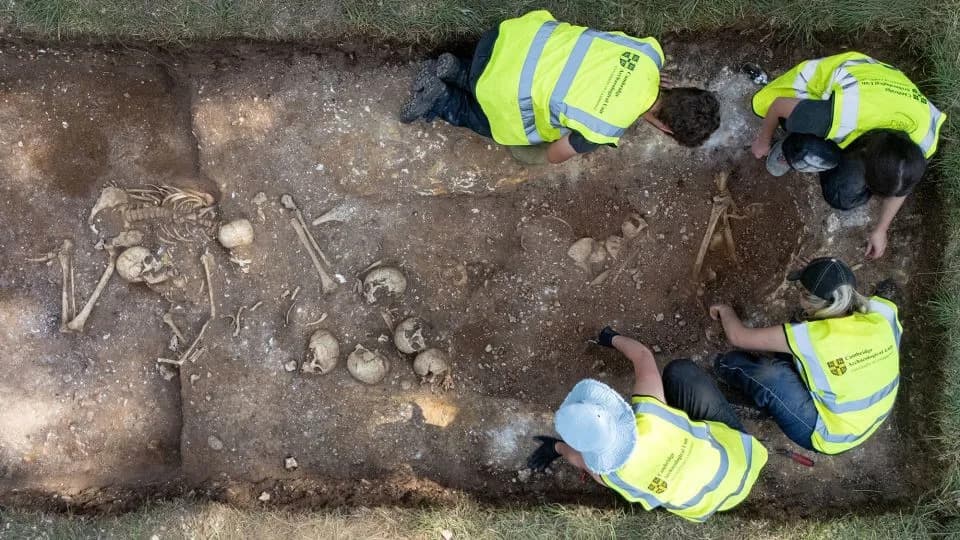
Archaeologists excavating the ruined fort of La Loma in northern Spain have uncovered the fragmented remains of a human skull whose age and genetic profile tie it to the Cantabrian Wars of the late first century B.C.E. The find offers a stark, material glimpse into the violence of Rome’s expansion in the Iberian Peninsula and the practice of displaying enemy remains as instruments of intimidation.
What Was Found
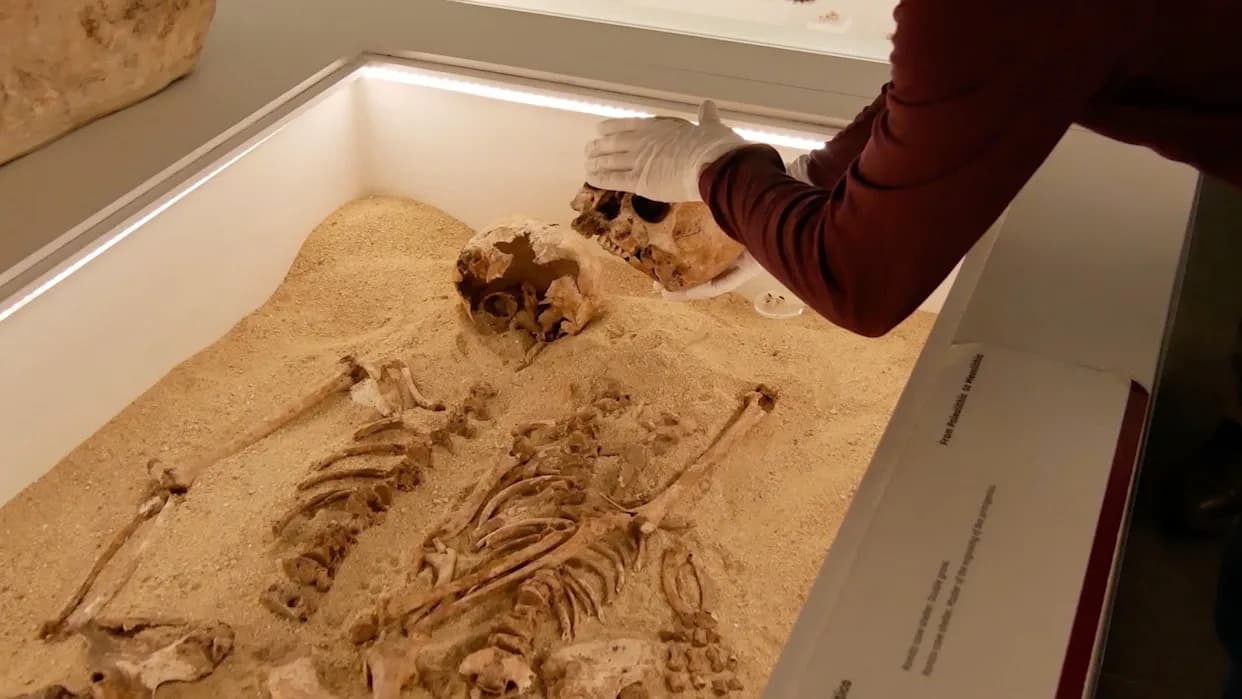
The cranium was recovered amid layers of ash and scattered artifacts — arrowheads, edged weapons, fragments of armor and jewelry — consistent with a violent siege. The skull was fragmented, missing the mandible and other pieces, and showed weathering (cracking, flaking, splitting and whitening) that indicates it had been exposed outdoors for a period of time.
Genetic and Osteological Analysis
Physical examination of the fragmented bones estimated the individual to be an adult between roughly 32 and 58 years old, but bone damage limited morphological certainty. DNA analysis, however, was more informative: about 53% of the specimen's genetic material survived, enabling recovery of the complete mitochondrial genome. Chromosomal ratios identified the individual as male. Maternal and paternal haplogroups link his ancestry to ancient Iberian populations; one paternal lineage traces to the early Bronze Age and persists in the Basque region. Overall, his genetic profile clusters with Iron Age populations from northern Spain.
Santiago Domínguez-Solera, director of Heroica Archaeology and Cultural Heritage and lead investigator at La Loma, noted in the Journal of Roman Archaeology that Augustus sought to complete the conquest of the Iberian Peninsula by defeating the remaining independent Celtic groups and invested considerable military resources to do so.
Interpretation: Trophy or Punishment?
While the remains cannot be matched to a name, their archaeological context and weathering suggest the cranium may have been displayed after death. The Roman army is known from literary and material sources to have exhibited trophies — captured weapons, armor and, at times, body parts — as a public demonstration of victory and a deterrent to resistance. Domínguez-Solera argues these punitive displays were part of strategies of intimidation rather than rituals celebrating enemy valor.
Broader Historical Context
Ancient accounts also document similar practices elsewhere in the Roman world: for example, the presentation of Pompey’s head after his assassination and the public exposure of Cicero’s severed head and hands following his execution. The La Loma cranium is therefore consistent with a wider pattern of how Roman power could be asserted through very public, brutal displays.
Conclusions
The shattered skull from La Loma is a powerful piece of evidence for the violent realities of Rome’s campaigns in northern Iberia. It confirms locally rooted ancestry for the victim, aligns chronologically with the Cantabrian Wars, and — through its archaeological context — supports interpretations that the display of human remains could be used systematically as a tool of conquest and intimidation.
Help us improve.