The US, Qatar and Egypt brokered a fragile Gaza ceasefire that began on October 10, 2023, and the UN has endorsed President Trump’s multi-stage plan. Key elements include Israeli withdrawals, a proposed transitional "Board of Peace," an international stabilisation force and a reconstruction phase — but many details and deadlines are unresolved. Main sticking points are disarmament, governance arrangements, the return of one hostage’s remains and the lack of timelines. The immediate priority is preserving the truce while mediators press both sides to agree on the second phase.
What Comes Next Under the Gaza Peace Plan? Key Steps, Obstacles and Outlook

What Comes Next Under the Gaza Peace Plan?
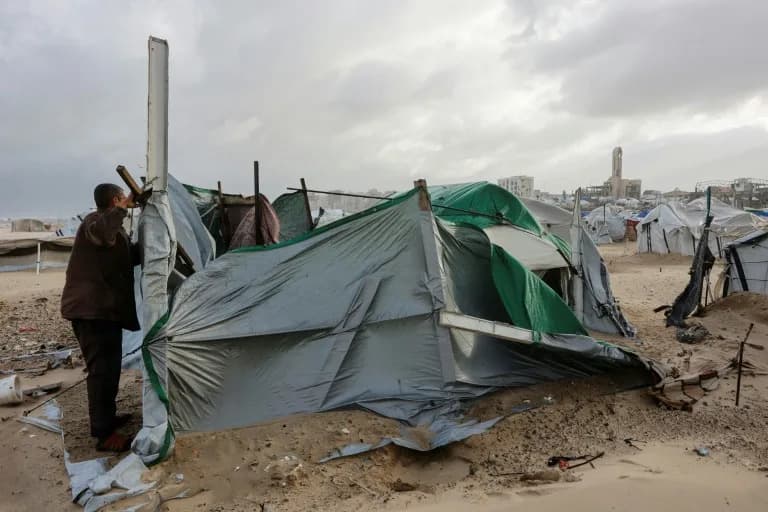
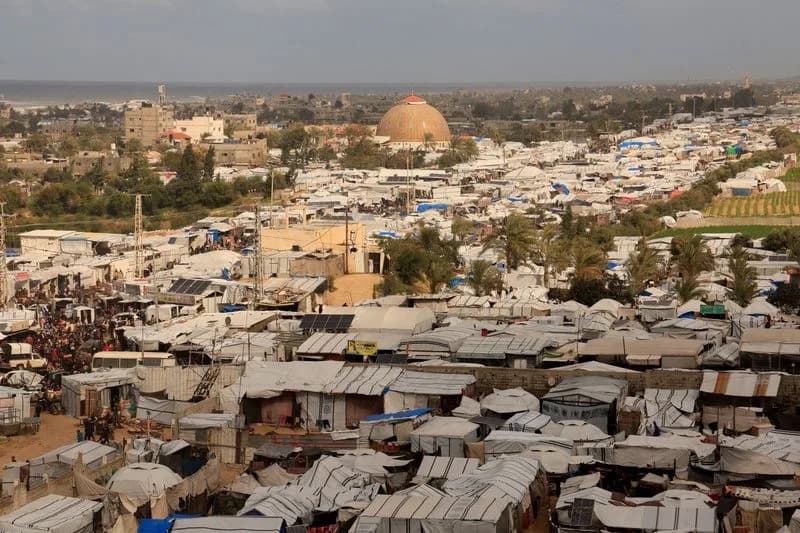
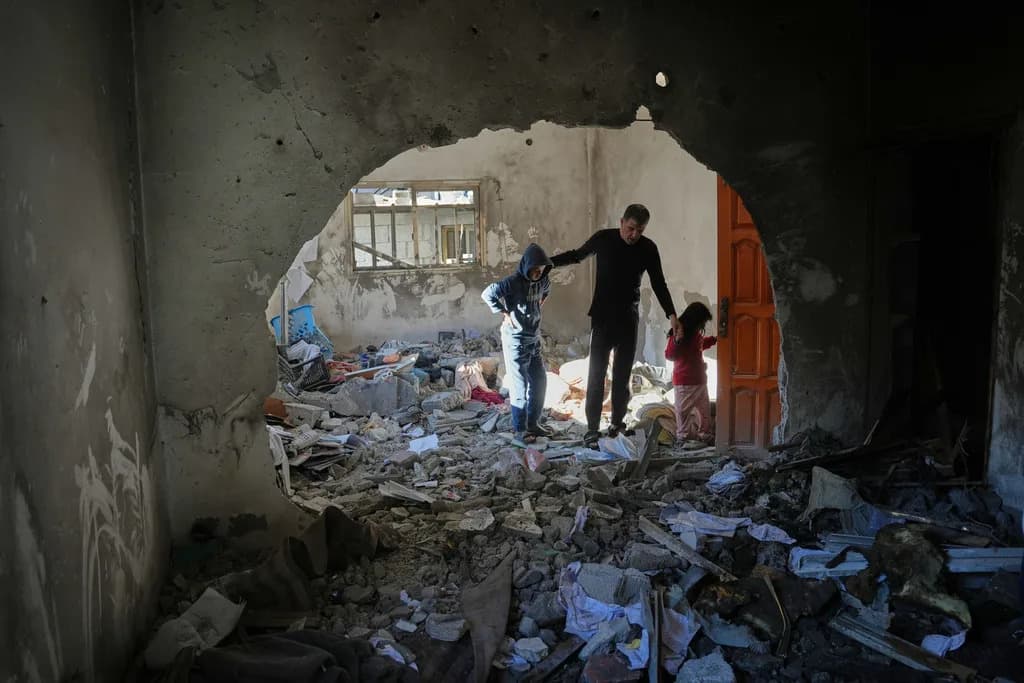
Negotiations over the next phase of the Gaza ceasefire continue but have produced little concrete progress, leaving a fragile truce at risk. The United States, together with Qatar and Egypt, brokered a ceasefire that took effect on October 10, 2023, largely halting two years of fighting between Israel and Hamas. The United Nations endorsed President Donald Trump’s multi-stage plan in November, but major questions remain over reconstruction, disarmament and post-war governance.
What Is The Plan?
Trump’s blueprint outlines three broad stages: an immediate truce; the withdrawal of Israeli forces and establishment of a transitional administration for Gaza; and a longer-term reconstruction phase. The initial measures implemented in the first phase included:
- Israeli forces pulling back on October 10, 2023, to positions that still leave them with military control over much of Gaza.
- The release of hostages held by Hamas and allied groups — all living hostages were freed by October 13, 2023; the remains of one hostage are reportedly still in Gaza.
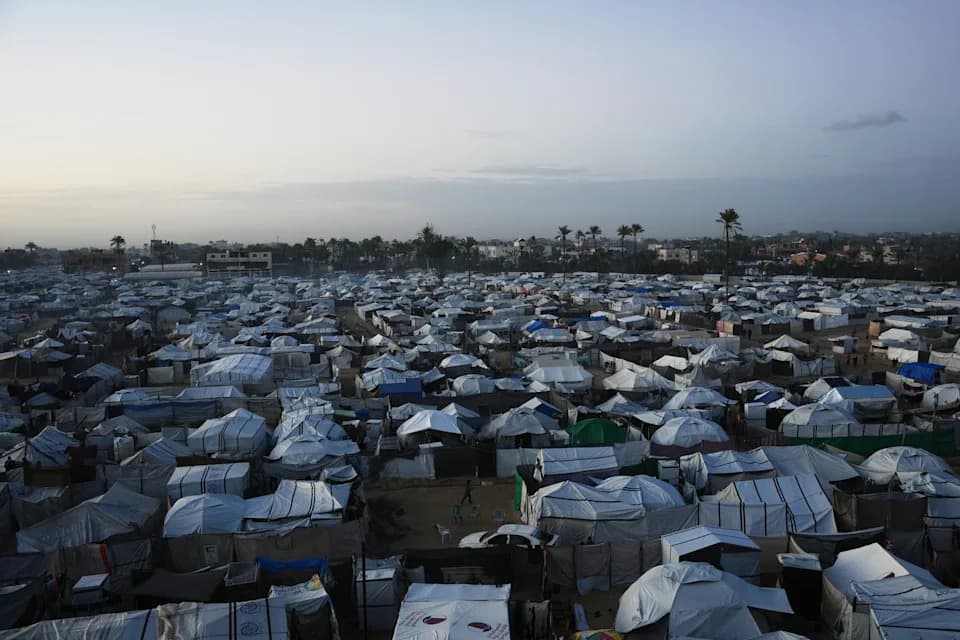
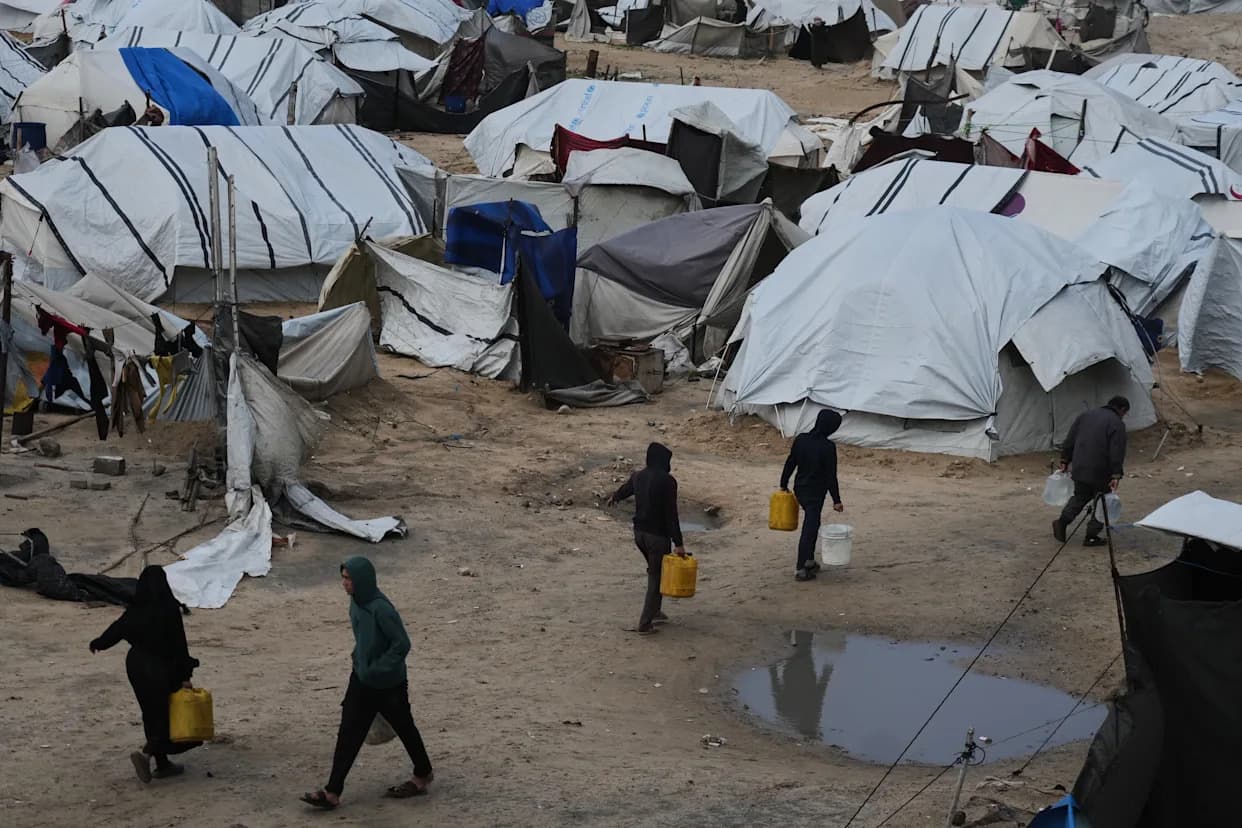
- An increase in humanitarian aid entering the territory.
Mediators for the next steps include the United States, Egypt, Qatar and Turkey. Egypt has agreed to host a reconstruction conference focused on Gaza’s humanitarian needs, but no date has been set. Israel has said it will press for the return of the remaining hostage’s remains before formal talks on the second phase begin.
Why Progress Is Slow
Analysts say the process is stalled largely because the plan leaves key details undefined. The UN Security Council resolution endorsing the plan authorises a "Board of Peace" — a transitional governing body for Gaza that the resolution suggests could be chaired by Trump — and recommends an international stabilisation force to secure borders and aid demilitarisation. However, the resolution sets no timeline and many operational questions remain unsettled.
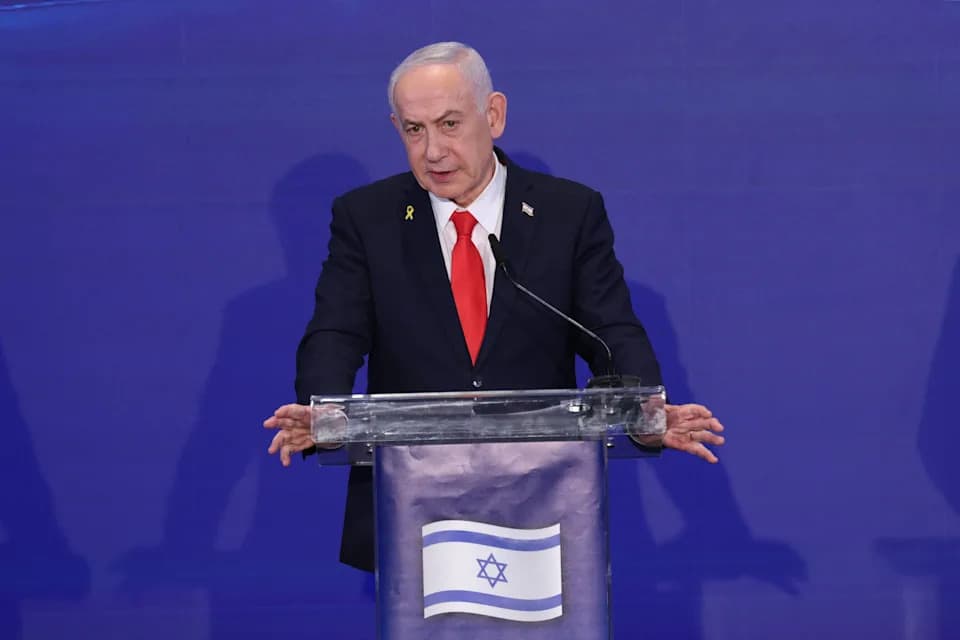
Israel insists on Hamas disarmament; Hamas indicates it might relinquish parts of its arsenal only as part of a broader Palestinian political process. Within Israel, some ministers in Prime Minister Benjamin Netanyahu’s right-wing government have publicly rejected elements of the plan, complicating consensus. Observers caution, however, that political rhetoric may not always reflect final policy positions.
Political Stakes And Roles
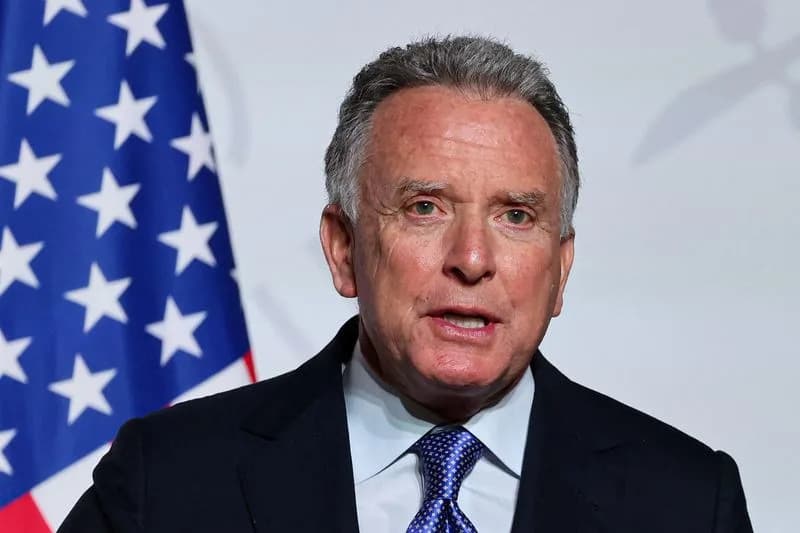
The Trump administration has assumed a central role in shaping implementation, reducing Israel’s latitude in negotiations, according to analysts. If the United States endorses specific partners for the international force, such as Turkey, that decision will strongly influence the outcome. Palestinian factions, under Egyptian facilitation, are compiling candidates for a "technocratic, apolitical" committee of Gazans to manage civil services and day-to-day administration; the suggested names aim to exclude representatives from both Hamas and Fatah.
What To Expect Next
Maintaining the ceasefire is the immediate priority for all parties and mediators. Several substantive issues — demilitarisation sequencing, the role and authority of any transitional administration, reconstruction funding and firm timelines — must be resolved before the second phase can begin. Continued diplomatic pressure from the United States and visits by senior officials suggest intensive behind-the-scenes efforts, but the overall process remains delicate and dependent on political compromises from all sides.
Expert Voices
"Israel doesn't really seem to be putting any serious thought into what the post-war phase is supposed to look like," said Michael Milshtein, a researcher at Tel Aviv University. Joost Hiltermann of the International Crisis Group warned the priority is simply "keeping a ceasefire alive" while Mkhaimar Abusada noted the approved names for a civil administration meet Israel's criteria but stressed the US will be a key interlocutor.
Help us improve.