The Alexandrium fortress, perched about 650 metres above the Jordan Valley, has yielded remains of a newly identified royal palace on its northwestern slope, including two column drums matching Herodian monumental style. Renewed excavations led by Bar-Ilan University resumed in March with Ministry of Heritage support after a hiatus since the 1980s. The finds broaden understanding of the site's scale and function during the Hasmonean and Herodian periods, while debates over conservation, jurisdiction and international collaboration continue.
Archaeologists Uncover Royal Palace Remains on Alexandrium, Revealing Herodian Architecture

New Palace Remains Found on Alexandrium's Mountaintop Fortress
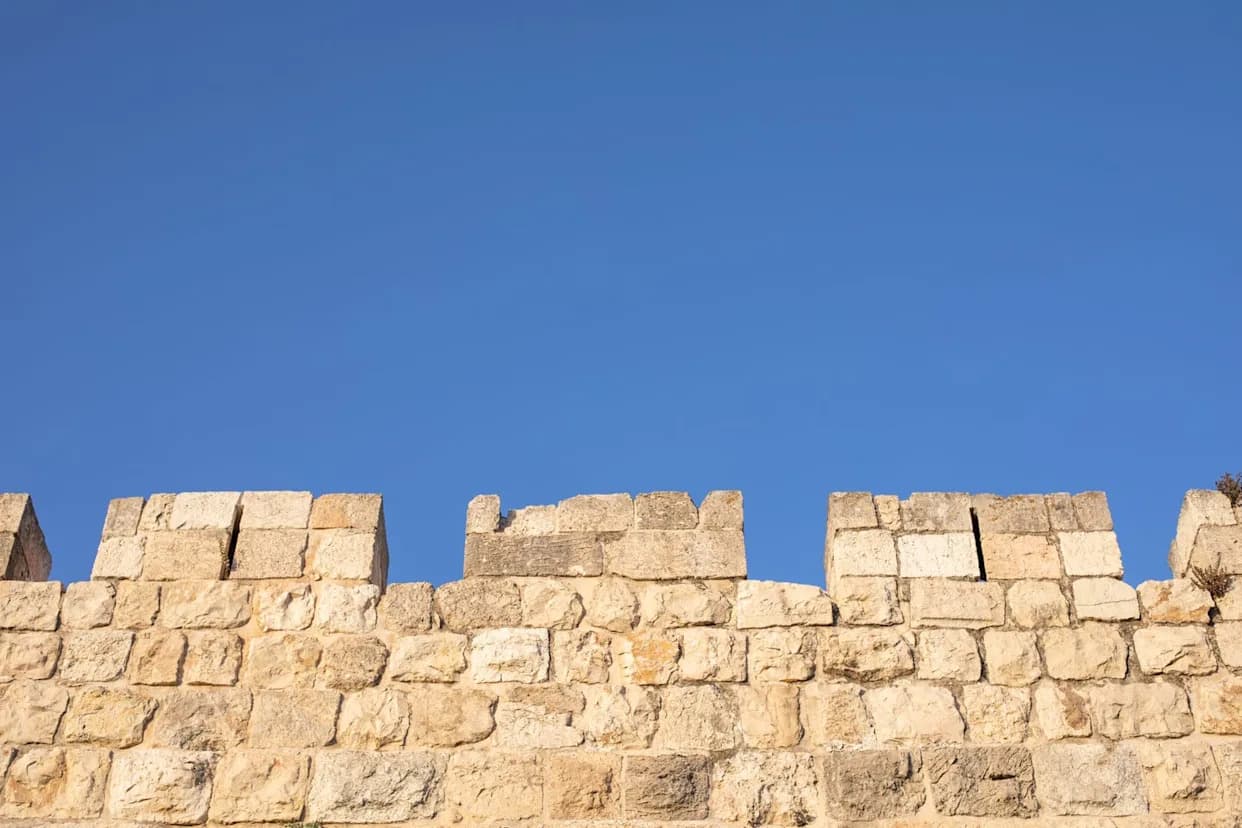
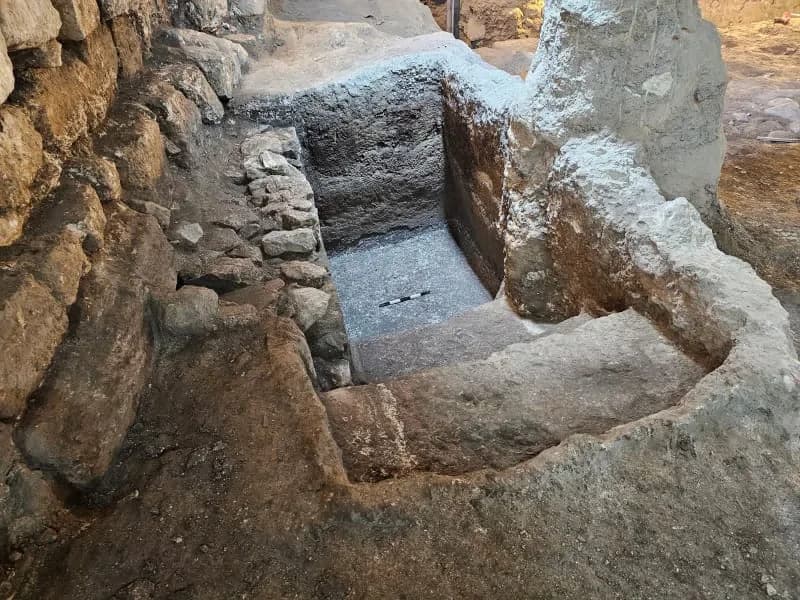
Israeli archaeologists have unearthed structural remains of a previously unknown royal palace on the northwestern slope of the ancient Alexandrium fortress, a dramatic hilltop complex that rises about 650 metres above the Jordan Valley.
Key Discoveries
Among the finds are two column drums measuring roughly 40 cm in diameter and 60 cm tall. Excavation director Dr. Dvir Raviv of Bar-Ilan University says the fragments conform to the monumental Herodian architectural style of the 1st century CE — similar to elements seen at Masada and other desert fortresses — strengthening the interpretation that the site included royal buildings.
"It sheds light on the architectural style and the function of the site, which is not mentioned by Josephus, our only historical source for the period," said Dr. Raviv.
Historical Context
Alexandrium (also called Alexandreion) is historically associated with the Hasmonean king Alexander Yannai and was later renovated by Herod the Great. The first-century historian Josephus described it as "a fortress built in great splendor on a high mountain." The site is known to have played multiple roles over time, including imprisonment, hospitality, and royal burial. Historical accounts place a Roman destruction episode in 57 BCE, a few years after General Pompey's conquest of Judea in 63 BCE. Dr. Raviv says parts of the stronghold may also have been reoccupied by Jewish rebels during the Great Revolt (66–73 CE).
Renewed Excavation
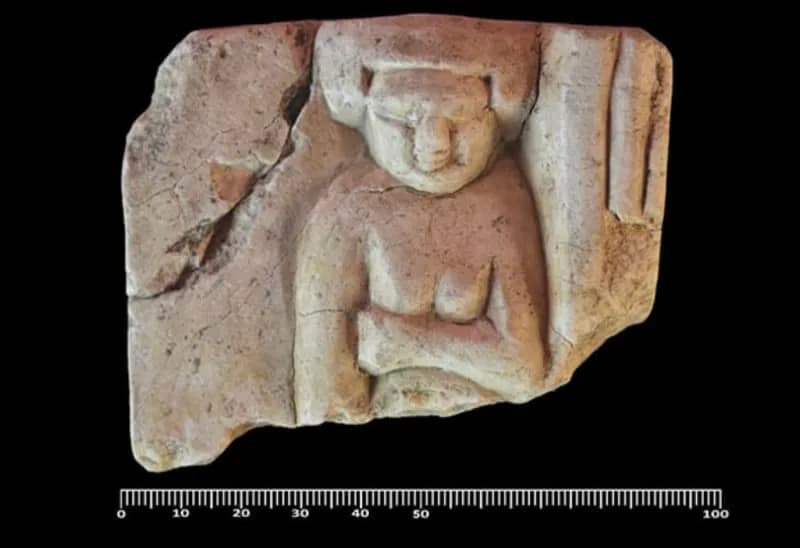
Work at Alexandrium resumed in March with funding from the Ministry of Heritage, marking the first systematic campaign at the site since the 1980s. Because no comprehensive final report was produced after the earlier seasons, the current team began largely from scratch, relying on ostraca (inscribed pottery sherds with Judean names), archival notes, photographs and surviving features such as a white mosaic floor previously recorded on the eastern slope.
Research Goals and Next Steps
The dig, led by Bar-Ilan University in cooperation with the Staff Officer of Archaeology at the Civil Administration (the site is located in Area C and is under Israeli administrative and security jurisdiction), aims to clarify the fortress's architectural development and its role in Hasmonean and Herodian history. According to Raviv, the architectural fragments recovered so far allow preliminary reconstruction of portions of the palace layout and offer new insight into the site's function. "We hope to uncover more," he said.
Conservation, Jurisdiction and Scholarly Debate
Recent reporting highlights controversy surrounding archaeological work in Judea and Samaria. Some Israeli researchers report difficulty publishing findings and limited international cooperation; others warn that political pressures and competing national narratives complicate heritage management. In response, the Israeli government has allocated substantial funding — reported as about $33 million — for the preservation of sites in Area C. Authorities have also pursued land measures near key sites, and a conference on archaeology and site conservation in the region drew researchers from several countries. Proposals have been made to transfer responsibility for excavations and conservation from the Civil Administration's archaeology staff to the Israel Antiquities Authority; advocates say this would improve professional capacity, while critics caution about potential diplomatic and scholarly repercussions.
Note: The preceding account summarizes archaeological findings and reported institutional debates as described by excavation leaders and media reports. Some political and administrative claims are contested and reflect differing perspectives among stakeholders.
Help us improve.