Pakistan has agreed to let the U.N. deliver humanitarian aid into Afghanistan through the Chaman and Torkham crossings, which have been closed for nearly two months. The openings are limited to relief shipments — starting with food and followed by medical supplies — while trade and travel remain suspended. The shutdown followed cross-border clashes and retaliatory strikes; broader talks in Qatar and Istanbul have yet to resolve the dispute. Afghan officials called the closures illegal and have demanded guarantees before fully reopening trade routes.
Pakistan Opens Chaman and Torkham Crossings to U.N. Humanitarian Shipments — Trade Remains Suspended
Pakistan Permits U.N. Relief Into Afghanistan Through Two Key Crossings
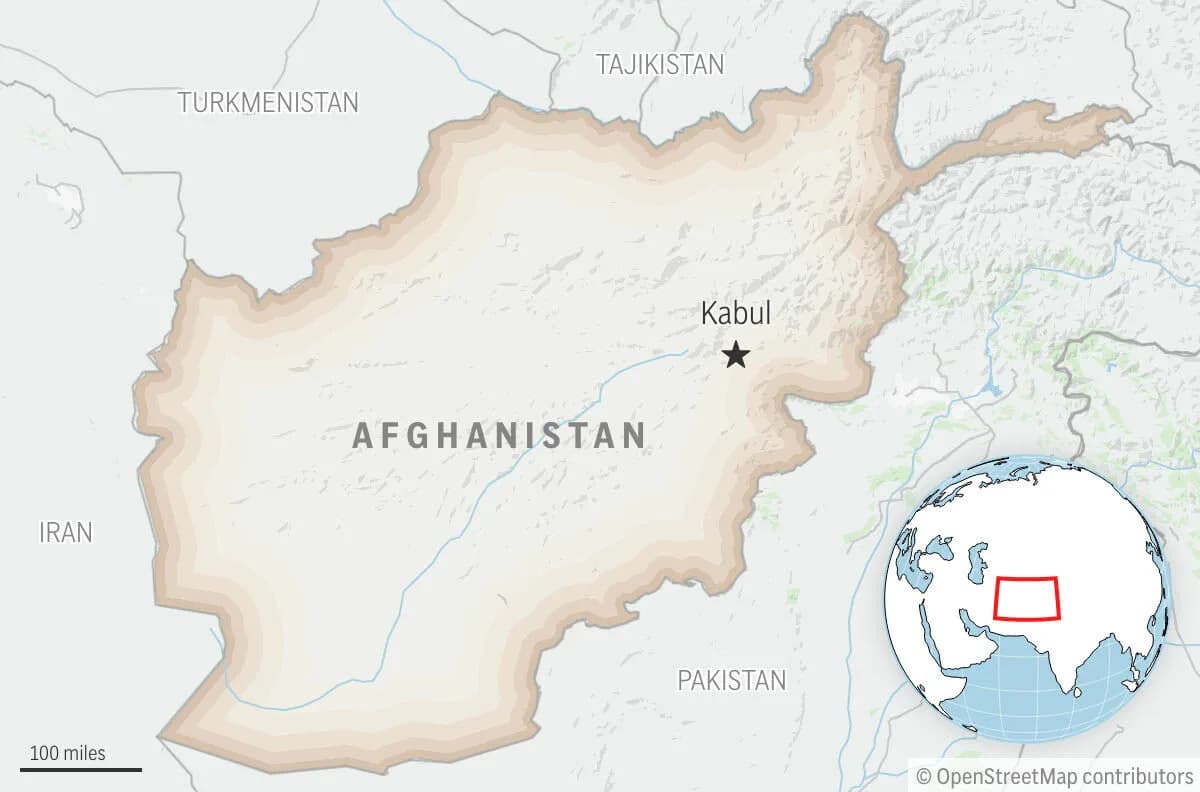
PESHAWAR, Pakistan — Pakistan has agreed to allow the United Nations to deliver humanitarian supplies into Afghanistan through the Chaman and Torkham border crossings, which have been closed for nearly two months, a government spokesperson said Thursday.
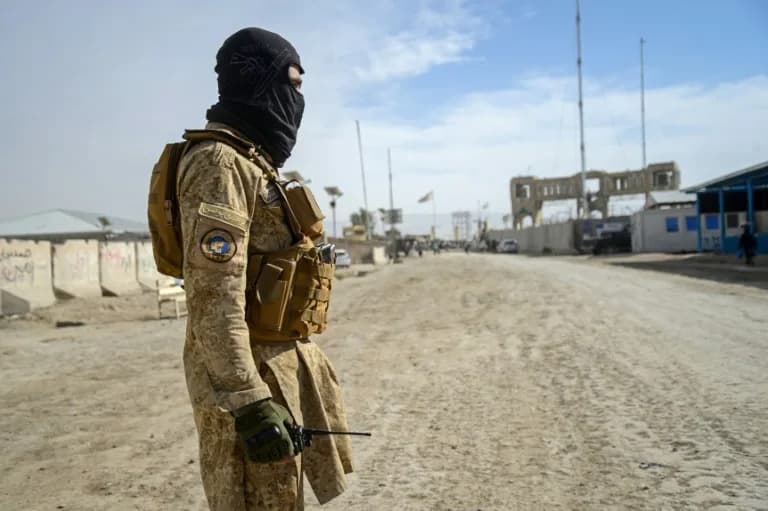
Humanitarian Access Only: Mohammad Anas, a spokesperson for the Khyber district administration, told The Associated Press the two crossings will be opened immediately for U.N.-requested relief consignments. He emphasized that the openings are limited to humanitarian traffic — trade and general travel will remain suspended.
Anas said initial deliveries will consist of food, followed by medical supplies and other essential items, and that arrangements at both border points were in place. He added that as of late Thursday no U.N. truck had reached the crossings.
Background: All major border points between Pakistan and Afghanistan were closed in early October after cross-border clashes. Afghan forces attacked Pakistani military posts in response to what Pakistan says were strikes by its forces deep inside Afghanistan. A ceasefire brokered by Qatar remains in effect, but broader negotiations held in Qatar and Istanbul have not produced a comprehensive settlement, with both sides blaming one another.
Since last month the Chaman and Torkham crossings had been open only to Afghan nationals returning home; commercial traffic has been halted. Pakistan’s foreign minister, Ishaq Dar, said the move followed a U.N. request to allow the use of northwestern and southwestern crossings to deliver urgent food and medicines for Afghan civilians.
In Kabul, Afghan government spokesman Zabiullah Mujahid called the closures "illegally imposed by the Pakistani side as a means of political and economic pressure, causing serious harm to the peoples of both sides." He wrote on X that trade routes should reopen only after Pakistan provides "strong assurances" they will not be blocked again.
Security Concerns and Economic Impact: Islamabad has repeatedly linked the border restrictions to Kabul's alleged support for militants of the Tehrik-e-Taliban Pakistan (TTP). Pakistan has seen a surge in militant attacks in recent months, many claimed by the TTP, a group designated as a terrorist organization by the United States and the United Nations. Although distinct from the Afghan Taliban, the TTP is allied with it and has reportedly been emboldened since the Afghan Taliban's return to power in 2021.
The prolonged closures have inflicted heavy losses on traders in both countries. Afghan authorities have promoted alternative trade routes since October, while Pakistani trade unions and business groups maintain that Chaman and Torkham are the shortest and most efficient paths for commerce with Central Asian markets.
Attribution: This report is based on reporting by The Associated Press. Associated Press writer Abdul Qahar Afghan in Jalalabad contributed to this story.
Help us improve.