
Two and a half months after the Oct. 10 ceasefire, contention persists over whether Israel is allowing sufficient humanitarian aid into Gaza. Israel and the U.S. say a 600-truck daily target has been met, but U.N., WFP and Gaza-linked sources report lower figures and emphasize that most trucks are private commercial vehicles. High fees, approval hurdles and restrictions on certain items have reduced effective aid delivery; the IPC says food security has improved but remains fragile.
Aid Into Gaza Under Scrutiny: The Truck-Count Dispute Between Israel, Aid Groups and Gaza Authorities

Palestinians walk along street market where fruits and vegetables are displayed for sale in Gaza City, Friday, Dec. 19, 2025. (AP Photo/Abdel Kareem Hana)(ASSOCIATED PRESS)
Two and a half months after the ceasefire took effect on Oct. 10, the flow of supplies into Gaza remains a tense and closely watched issue. Disagreement centers on whether Israel is meeting a key ceasefire commitment to allow sufficient humanitarian aid into the territory; Israel and the United States say it has, while U.N. agencies, humanitarian groups and Gaza-linked authorities report lower figures and point to serious gaps in effective assistance.
The Core Dispute
The ceasefire includes a target of at least 600 trucks a day, but it is unclear whether that number refers only to humanitarian convoys or to all truck traffic. Israel and the U.S. — which coordinates deliveries from a hub in southern Israel — say the 600-truck threshold has been met since the ceasefire began. Outside groups and Gaza-based entities dispute those counts and emphasize that truck numbers alone do not measure how much aid actually reaches people in need.
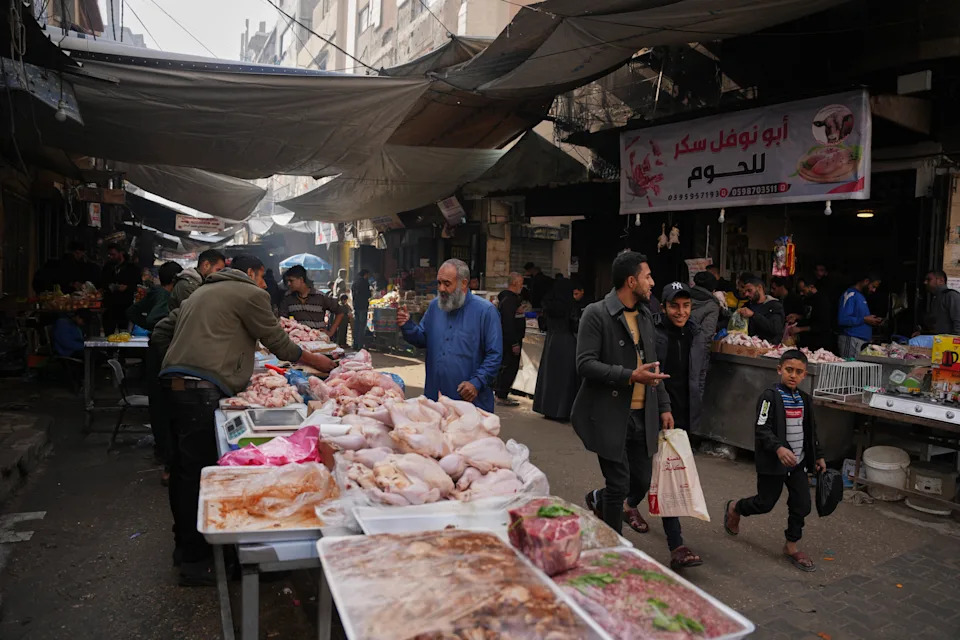
A Palestinian looks at chicken cuts displayed for sale at a local street market in Gaza City, Friday, Dec. 19, 2025. (AP Photo/Abdel Kareem Hana)(ASSOCIATED PRESS)
What Israel Says
COGAT, the Israeli military agency that coordinates movement to Gaza, says roughly 80% of truck traffic is private-sector commercial deliveries and that about 70% of truck cargo is food, with the remainder carrying medical supplies, shelter materials, clothing and other humanitarian items. COGAT has declined to publish raw data about cargo breakdowns, saying release could aid Hamas. A COGAT-run data dashboard stopped updating after the ceasefire began.
Alternative Counts And Transparency Concerns
Observers note that Israel controls the crossings and therefore holds the most comprehensive tracking data. Rights groups say there is limited transparency about what is entering Gaza and in what quantities. Independent analyses have produced divergent numbers: one study relying on data it said was provided by Israel reported averages of about 540 trucks per day in October and 581 in November — both below the 600-truck target. Gaza-based sources cited in a World Food Program (WFP) report put the early-December average at roughly 256 trucks per day.
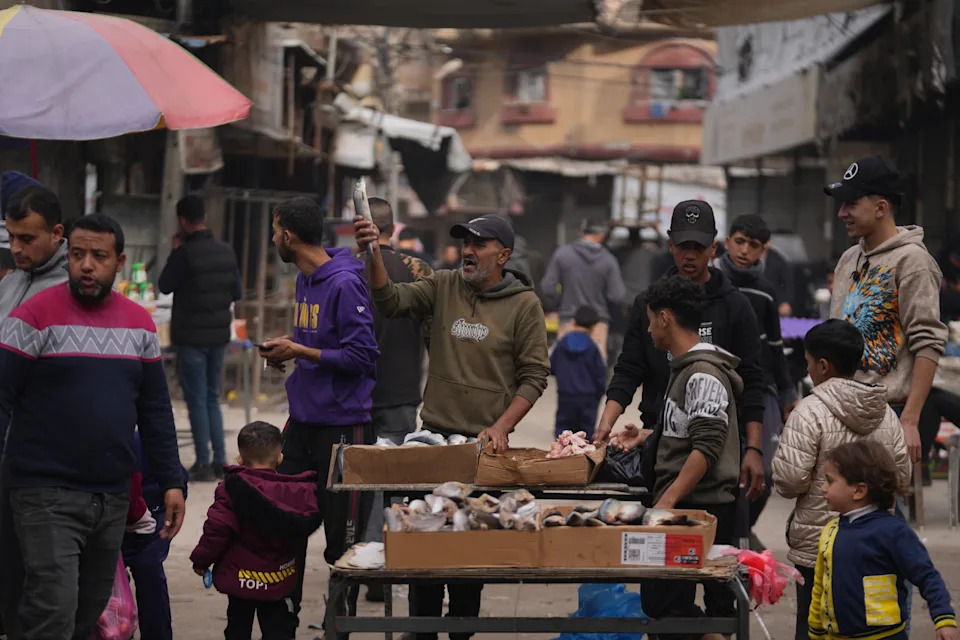
A Palestinian vendor displays sardines for sale on a street of a local market in Gaza City, Friday, Dec. 19, 2025. (AP Photo/Abdel Kareem Hana)(ASSOCIATED PRESS)
“There is little transparency about how much and what exactly is getting in,”
— Shaina Low, Norwegian Refugee Council
Humanitarian And U.N.-Tracked Deliveries
Noncommercial trucks — those operated by U.N. agencies, international aid organizations and some national donors — account for a minority of crossings. According to the U.N. dashboard, from Oct. 10 through Dec. 21, 9,379 U.N.-tracked trucks reached intended distribution points in Gaza, with food comprising more than 80% of that aid by weight. That equates to roughly 130 U.N.-tracked aid trucks per day on average during that period. The dashboard also records 156 trucks that were disrupted by crowds or armed groups.
Why Numbers Differ
Counts diverge for several reasons: differing definitions (total trucks vs. U.N.-tracked aid trucks), gaps in transparency, and complex clearance processes. The WFP and Gaza business groups say commercial deliveries face a multi-layer approval process and often carry high fees — sometimes several thousand dollars per truck at Rafah or from the West Bank — which inflates retail prices inside Gaza and restricts access for poorer households.
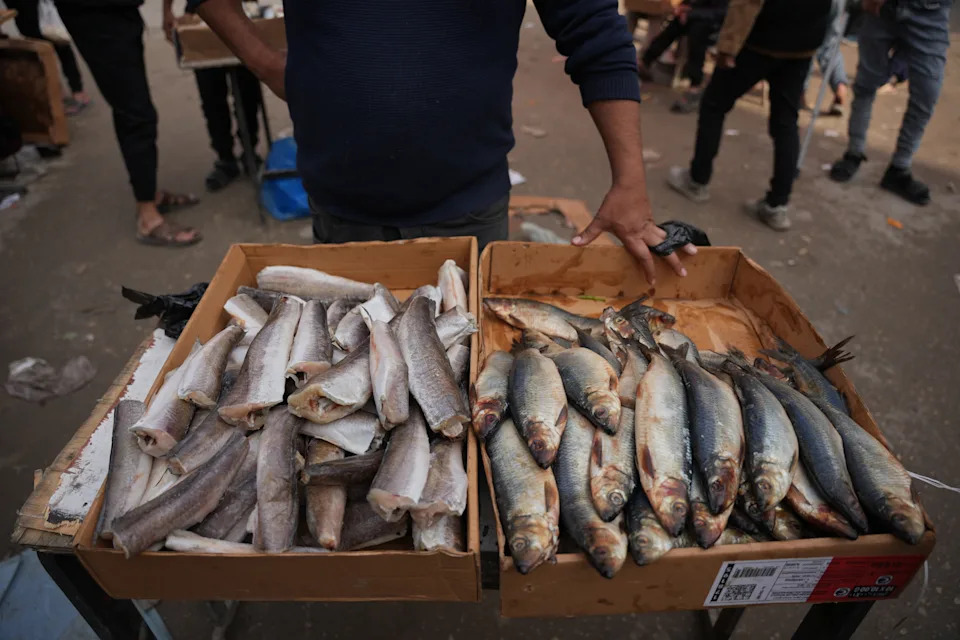
A Palestinian vendor displays sardines for sale on a street of a local market in Gaza City, Friday, Dec. 19, 2025. (AP Photo/Abdel Kareem Hana)(ASSOCIATED PRESS)
Israeli restrictions on certain items it deems potentially military — for example, some types of tents — also change what can be shipped and how much cargo trucks carry, producing variability in distributions and occasional reductions to rations.
Impact On Food Security
The Integrated Food Security Phase Classification (IPC) has reported “notable improvements” in food availability since the ceasefire but warned the situation remains highly fragile and that unobstructed, sustained aid is essential. Humanitarian workers and residents say markets now contain more goods but that affordability and unequal access persist: many households cannot buy available supplies, and some of the food entering Gaza is low in nutritional value.
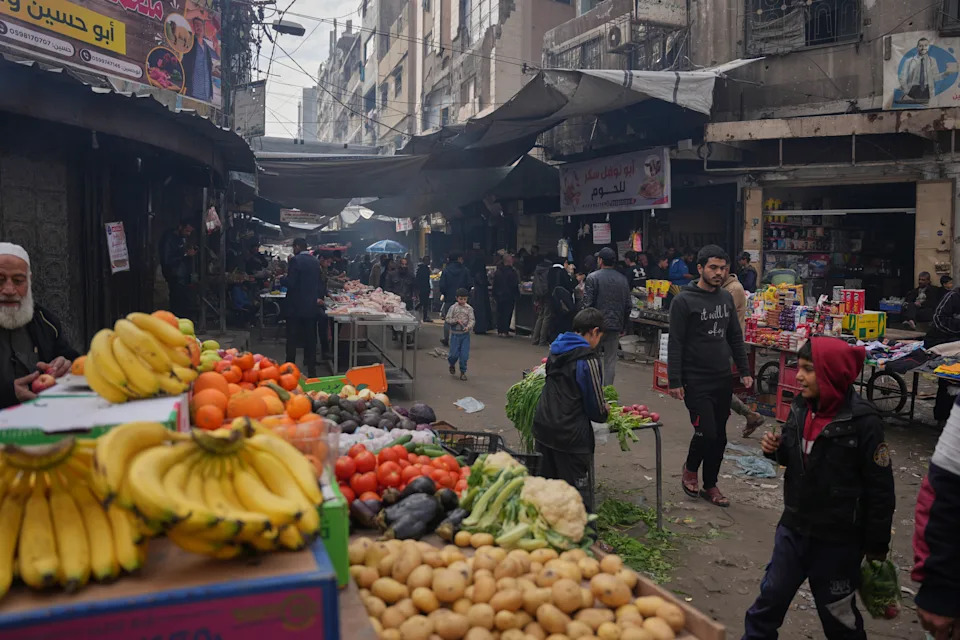
Palestinians walk along street market where fruits and vegetables are displayed for sale in Gaza City, Friday, Dec. 19, 2025. (AP Photo/Abdel Kareem Hana)(ASSOCIATED PRESS)
Earlier this month the World Food Program said some households received rations covering about 75% of minimum daily caloric needs so limited supplies could be spread more widely.
What Needs To Happen
Humanitarian groups call for clearer, shared data on truck content and destination, lower fees and streamlined approvals for commercial and aid deliveries, and the lifting of restrictions that impede essential nonmilitary supplies. Without greater transparency and more consistent deliveries of nutritious food, medical supplies and shelter materials, improvements in Gaza’s food security are likely to remain fragile.
Anna reported from Lowville, New York. Sally AbouAlJoud contributed from Beirut.


