After a Dec. 4 meeting in Beijing, Pakistan and China issued a joint statement urging "visible and verifiable" steps to dismantle terrorist groups operating from Afghanistan and to stop Afghan territory being used for cross-border attacks. China praised Pakistan's counterterrorism efforts and protection of CPEC projects, where thousands of Chinese workers are employed. The statement referenced attacks blamed on the outlawed TTP and recent cross-border strikes that were paused by a Qatar-brokered ceasefire in Doha; follow-up talks in Istanbul produced no new breakthroughs.
Pakistan and China Demand "Visible and Verifiable" Action to Curb Afghan-Based Terror Groups
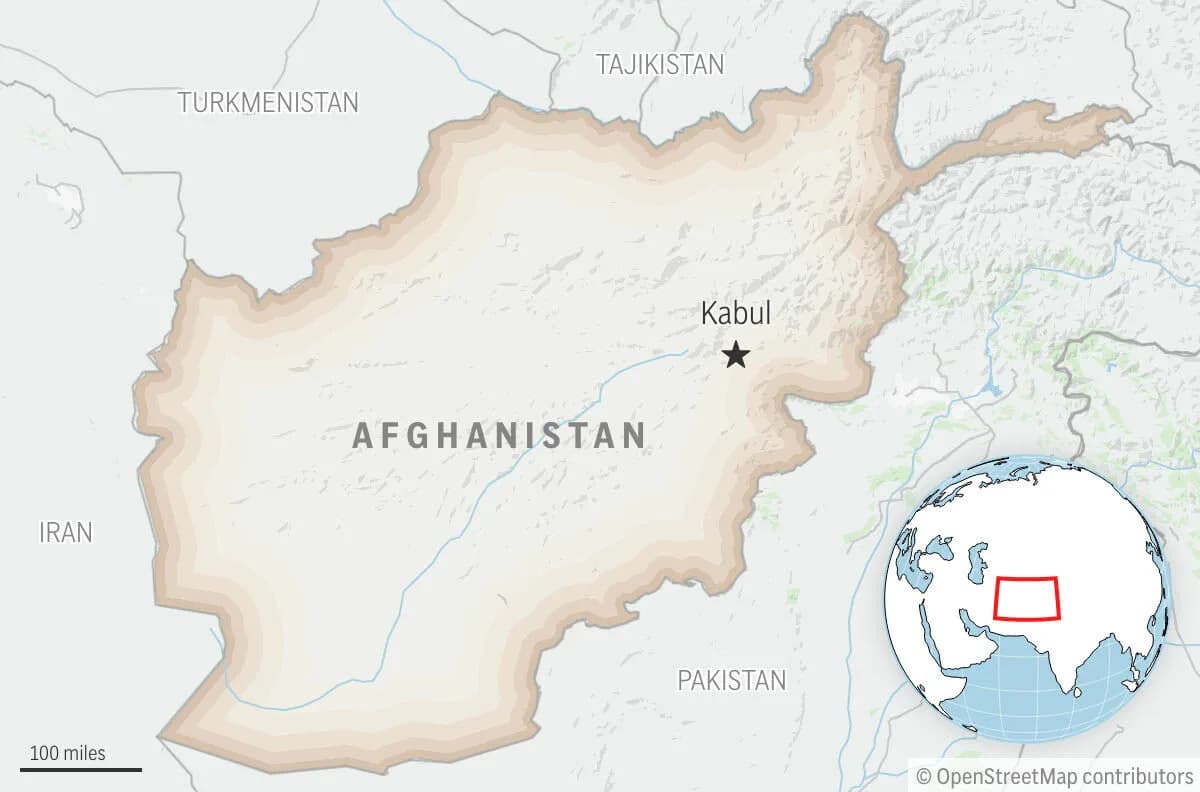
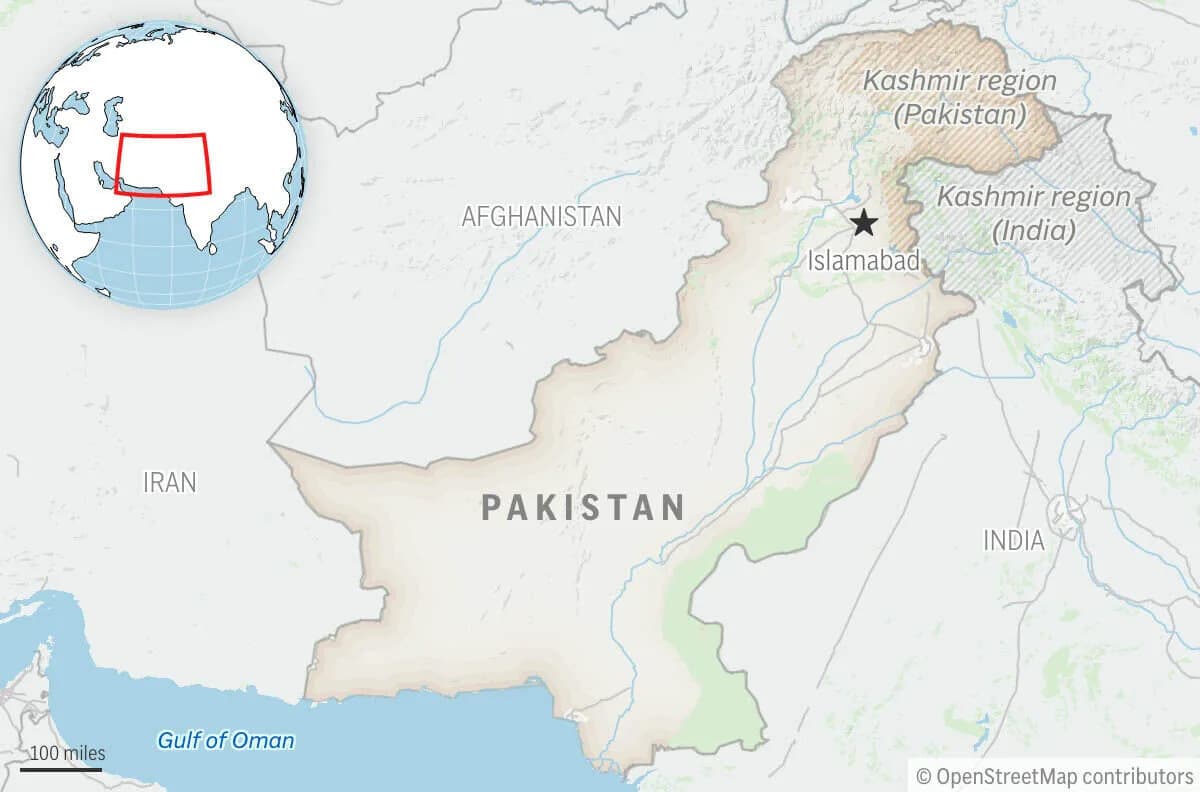
This is a locator map for Afghanistan with its capital, Kabul. (AP Photo)
Pakistan and China on Monday issued a joint statement after a Dec. 4 meeting in Beijing calling for "visible and verifiable" measures to dismantle terrorist groups operating from Afghanistan and to prevent Afghan territory from being used to stage attacks against other countries.
The statement followed a meeting between Pakistan's Foreign Minister Ishaq Dar and China's Foreign Minister Wang Yi. It warned that "terrorist groups operating from Afghanistan continue to pose serious threats to regional and global security" and urged concrete action to stop such groups from carrying out cross-border attacks.
China Praises Pakistan, Raises Regional Security Concerns
China commended Pakistan for what it described as "comprehensive counterterrorism measures" and for safeguarding Chinese nationals and projects tied to the China–Pakistan Economic Corridor (CPEC), part of Beijing's Belt and Road Initiative. Thousands of Chinese engineers and workers are involved in CPEC projects aimed at improving road and rail links between China’s Xinjiang region and Pakistan’s Gwadar port.
In 2024, five Chinese nationals were killed when a suicide car bomber struck a bus in northwest Pakistan, underscoring the risks to foreign workers and infrastructure in the region.
Diplomatic Talks and Unresolved Tensions
In August, senior diplomats from Pakistan, China and Afghanistan met in Kabul and pledged to explore extending CPEC into Afghanistan, but that effort has made little visible progress since then. There was no immediate response from Afghanistan’s government in Kabul to the joint appeal.
Pakistan has repeatedly accused Afghanistan’s Taliban rulers of providing sanctuary to the outlawed Tehrik-e-Taliban Pakistan (TTP), which Islamabad blames for a rise in attacks inside Pakistan since 2021. The TTP is distinct from Afghanistan’s Taliban government, which says it does not permit its territory to be used for cross-border attacks.
Recent Cross-Border Violence and Ceasefire
Tensions escalated in early October when Pakistan launched airstrikes it said targeted Pakistani Taliban hideouts inside Afghanistan, an operation Islamabad said killed dozens of alleged insurgents. Afghan forces retaliated by striking Pakistani military posts and claimed to have killed 58 Pakistani soldiers; Pakistan acknowledged the loss of 23 troops.
Hostilities eased after Qatar brokered a ceasefire agreement in Doha. Subsequent follow-up talks in Istanbul did not produce further breakthroughs, leaving the underlying security issues unresolved.
"Preventing the use of Afghan soil for attacks against other countries requires visible, verifiable action," the joint statement said.
As Pakistan and China press for concrete steps, the situation highlights the fragile security dynamics in South Asia and the challenge of protecting major regional infrastructure projects while addressing cross-border militancy.
Help us improve.