Summary: A Rand Corporation analysis found that nearly 75% of Arizona students eligible for Education Savings Accounts were already enrolled in private school or homeschooled before receiving state support. The study raises concerns that universal ESAs shift public dollars to families who had already opted out of public schools and may not effectively target the neediest students. Policymakers and advocates point to outreach, program design and affordable private-school supply — including microschools — as ways to broaden access.
Rand Study: Nearly Three-Quarters Of Arizona ESA Recipients Were Already In Private School Or Homeschool

Rand Analysis: Most Arizona ESA Recipients Had Already Chosen Alternatives To Public School
A recent Rand Corporation analysis finds that nearly three-quarters of students eligible for Arizona’s universal Education Savings Account (ESA) program were already enrolled in private schools or were homeschooled before receiving state funds. The study examined more than 64,000 eligible students as of April and highlights how universal ESAs have shifted public dollars toward families who had already opted out of traditional public schools.
Who Is Using ESAs?
Rand’s researchers report that ESA recipients tend to live in districts with higher median incomes, larger shares of white families and stronger school test scores. Susha Roy, the study’s lead author, summarized the trade-off:
If the goal is to have tax dollars follow students, then a universal policy can achieve that. But if the goal is to reach the neediest students or those in failing schools, what we’re seeing in Arizona suggests that a universal policy is not the best way to expand access.
Shifting Trends And State Variations
State data show recent changes: 57% of students who enrolled in Arizona’s ESA program last year came from public schools — up from 21% in 2023 — suggesting growing public-to-private movement. Other states show different patterns. For example, Indiana data indicate more than half of ESA students live in families earning $100,000 or less, while North Carolina prioritizes the lowest-income families with larger scholarship amounts.
Barriers To Access
Critics and advocates alike identify several access barriers: ESA amounts often don’t cover full private-school tuition; additional fees and transportation costs can be prohibitive; and lack of awareness or Spanish-language materials has limited takeup in some communities. A Florida survey found nearly 20% of families who did not use ESAs said the funding did not cover their preferred school’s tuition; similar shares cited fees or transportation as obstacles.
Supply-Side Responses: Microschools And New Options
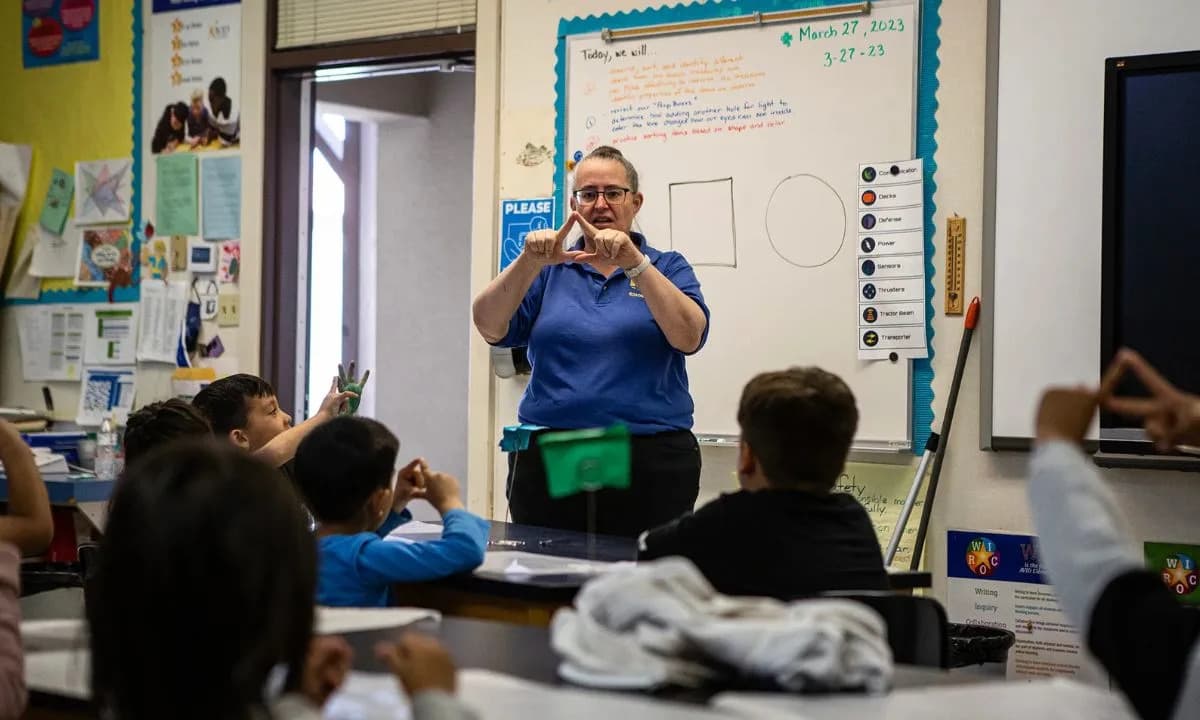
Proponents point to expanding supply—particularly microschools and affordable private options—as a solution. Organizations such as the San Juan Diego Institute and the Drexel Fund have funded small, lower-cost private schools designed to align tuition with typical ESA amounts (often around $7,000–$8,000). Examples include Hands2Teach, serving deaf and hearing students, and Vita High School, a Montessori-style microschool teaching A.I. skills.
Researchers note that many ESA-funded private schools are very small—often around 30 students—and some studies show voucher-like programs increased private school enrollment by roughly 3%–4%. However, Rand and other research groups say there is insufficient evidence to conclude whether microschool students outperform peers in traditional public schools.
Federal Policy And The Debate Ahead
Rand’s findings carry implications for a proposed federal tax-credit scholarship program included in federal tax proposals. The program, which regulators plan to define in upcoming rules, would let taxpayers donate up to $1,700 annually to scholarship organizations in exchange for a dollar-for-dollar tax credit. Scholarship size would depend on fundraising, and eligibility could extend to families earning up to three times a region’s median income — potentially including very high-income households in wealthy areas.
Critics warn the federal tax-credit approach could cost at least $10 billion a year and may disproportionately benefit wealthier families, undermining equity goals. They also raise civil-rights concerns about whether private and religious schools accepting public support will provide the same protections for LGBTQ students and students with disabilities as public schools.
Voices From The Field
Advocates and parents offer mixed perspectives. Some see ESAs as an important tool that, over time and with better outreach, can serve marginalized communities; others say the current design favors families already able to find or afford alternatives. Personal stories — such as a North Carolina family whose children improved academically after switching to a microschool supported by a state scholarship — illustrate how the policy can matter for individual households even when overall patterns show disproportionate use by those already outside the public system.
Bottom Line: The Rand study suggests universal ESAs do move public dollars with students, but they may not be the most effective mechanism to target the neediest families without additional outreach, eligibility design and investment in affordable private-school options.
Help us improve.