Cuba suffered a major blackout that left the western provinces, including Havana, without power for several hours before service was restored early afternoon. Officials blamed an aging, fossil-fuel dependent grid and recent hurricane damage, while the government cited long-standing U.S. restrictions as an additional hurdle. The outage follows multiple large failures in 2024 that helped spark protests and coincide with a sharp population decline driven by migration. Authorities emphasize immediate restoration work and longer-term investments in solar projects with China to modernize the system.
Western Cuba Hit by Major Blackout as Government Pushes to Modernize Aging Power Grid

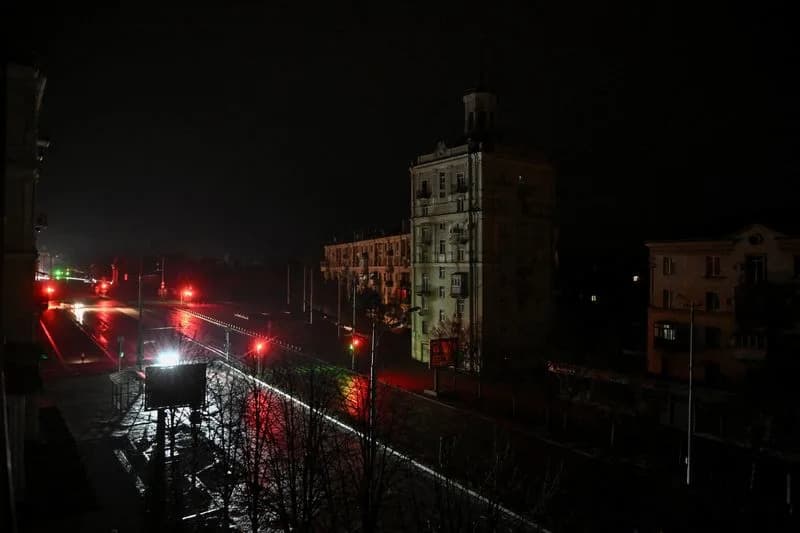
Cuba experienced a widespread blackout that left the island's western provinces, including Havana, without electricity for several hours before service was restored in the early afternoon. Authorities said the outage began at about 5:00 a.m. local time (10:00 GMT) and that power was re-established around 1:26 p.m. (18:26 GMT).
The outage affected a broad swath stretching from Pinar del Río at the island's western tip to Mayabeque province just east of Havana. For much of the morning, government officials and utility crews worked to reconnect networks and repeatedly reassured residents that restoration efforts were underway.
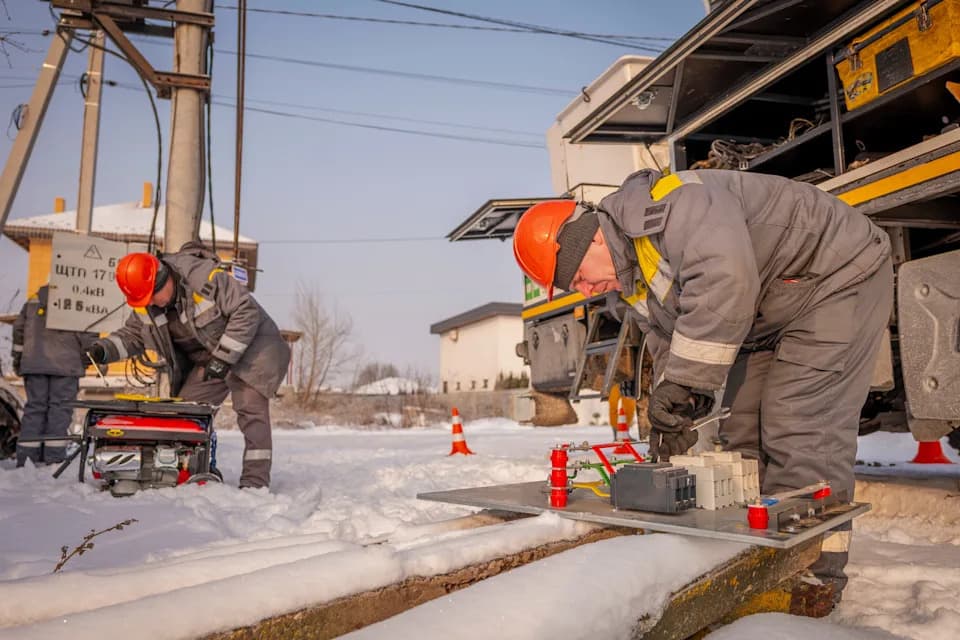
Prime Minister Manuel Marrero Cruz wrote on social media that "workers at the Ministry of Energy and Mines immediately began restoration efforts and are working to restore service as quickly as possible," praising their efforts to re-establish supplies.
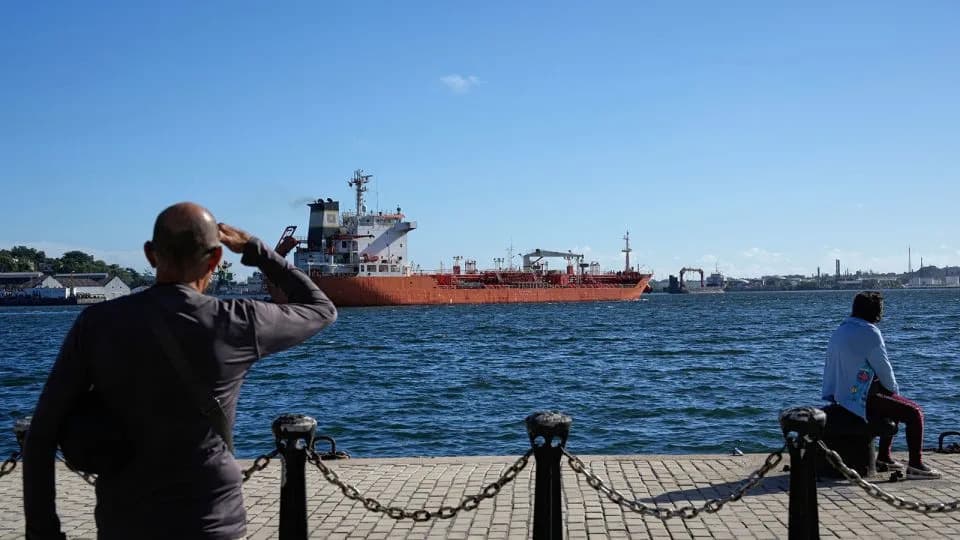
Frequent blackouts have underscored the fragility of Cuba’s National Electric System (SEN). The grid is aging: many components date back to the Cold War era after a construction surge in the 1980s that expanded coverage to about 95% of households by 1989. The network also remains heavily dependent on fossil fuels, including shipments from allied countries.
In 2024 alone, at least five major power failures disrupted daily life and helped trigger rare public protests in cities such as Santiago de Cuba. The trend continued into late 2024 with a large-scale blackout blamed on a malfunction at a thermoelectric plant, and intermittent outages have persisted since.
To reduce reliance on fossil fuels and modernize the system, Cuba has begun investing in renewable energy. In April 2024 the government signed an agreement with China to build 92 solar farms by 2028, and the first of those solar plants opened in February 2025. Officials say these projects are part of a longer-term effort to stabilize supply and increase resilience.
Natural disasters remain a major challenge. Hurricanes in recent seasons — including storms that brought flooding, landslides and widespread damage — have repeatedly damaged transmission lines and distribution infrastructure, complicating restoration and reconstruction.
Government officials also point to U.S. economic restrictions, dating back to the 1960s, as a constraint on Cuba’s ability to access financing, equipment and parts needed to upgrade infrastructure. International condemnations of the embargo continue: in October the U.N. General Assembly again passed a non-binding resolution urging the United States to lift the sanctions.
President Miguel Díaz-Canel wrote that "the workers at the Ministry of Energy and Mines, who never rest amid the daily challenges imposed by the blockade and recovery efforts after recent hurricanes, are already working to resolve the issue," and expressed confidence in the restoration teams.
The recurrent blackouts have aggravated public frustration and contributed to migration from the island. Government figures show a decline in population from an estimated 11,113,215 in 2021 to roughly 9,748,532 in 2024 — a drop attributed largely to emigration. U.S. Customs and Border Protection reported 200,287 Cuban migrant encounters in fiscal year 2023 and 217,615 in fiscal year 2024.
Authorities say ongoing restoration work is focused on reconnecting affected areas and assessing damage, while longer-term priorities include accelerating renewable projects, upgrading aging equipment and improving storm resilience to reduce the frequency and severity of future outages.
Help us improve.