Archaeological investigations at the Palace of Westminster have revealed artefacts spanning about 6,000 years, from Stone Age flint tools likely dated to c.4300 B.C.E. to Roman and medieval remains. Excavators recovered more than 60 struck flints, a Roman altar fragment, an 800‑year‑old leather boot and post‑medieval objects such as clay pipes and a beer jug. Crucially, the team located surviving stone walls of the medieval Lesser Hall (1167), indicating parts of the medieval palace endured the 1834 fire. The work continues as part of the palace's Restoration & Renewal programme.
6,000 Years Beneath Westminster: Stone‑Age Tools, Roman Relic and Medieval Walls Unearthed

Archaeologists working within the Palace of Westminster estate have uncovered a sequence of finds spanning roughly 6,000 years, revealing evidence of prehistoric activity, Roman presence, and substantial medieval remains beneath one of the UK's most iconic political sites.
What was discovered
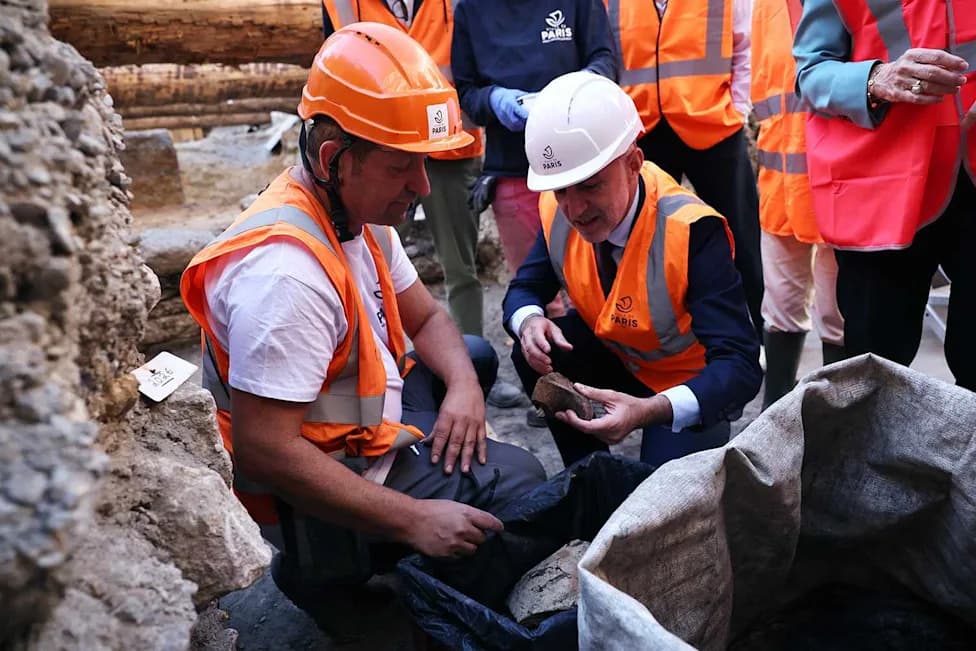
As part of a three‑year archaeological programme tied to the Palace's Restoration & Renewal work, teams dug 14 trial pits and sank 10 geoarchaeological boreholes across the estate. Their investigations revealed a rich and continuous record of human activity, including:
- More than 60 struck flint flakes and tools, likely dating to around 4300 B.C.E., indicating Stone Age (late Mesolithic/early Neolithic) hunting and fishing activity on Thorney Island.
- A carefully worked flint implement that may date to the late Mesolithic period.
- A Roman altar fragment more than 2,000 years old.
- Medieval finds such as a leather boot with soles and straps (roughly 800 years old) and a medieval floor tile from Westminster.
- Post‑medieval objects including fragments of decorated clay tobacco pipes, a 19th‑century five‑pint beer jug, and a stone crucible used to heat lead—possibly linked to the manufacture of medieval window frames.
- An ornate lead badge shaped like a flowering heart, a popular motif for badges, seals and rings in the 14th and 15th centuries.
Medieval architecture rediscovered
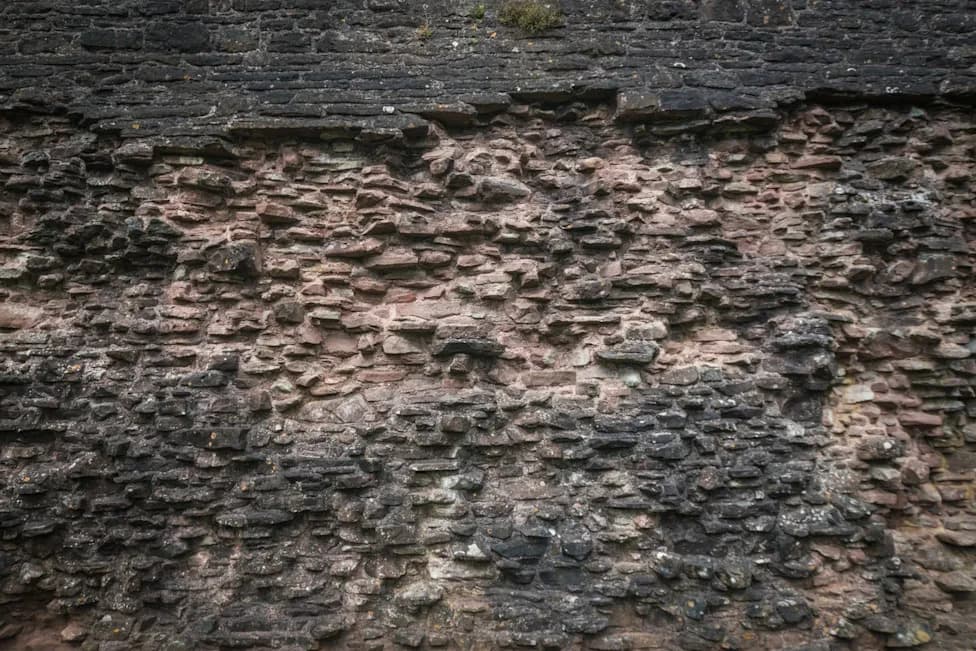
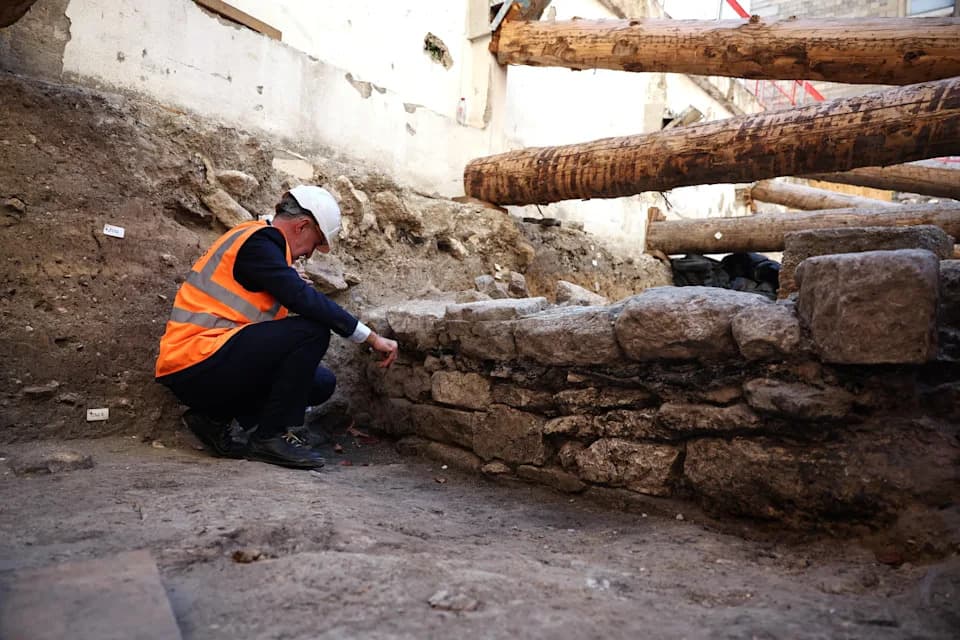
Excavators also located substantial surviving stone walls and foundations of the medieval Lesser Hall (White Hall), originally constructed in 1167. Previously thought to have been largely destroyed in the Great Fire of 1834, the evidence suggests the hall's stone walls survived the blaze, were restored and re‑roofed, and remained in use until their demolition in 1851.
"The initial finds from archaeological investigations confirm the richness of Westminster as a site. They testify to the variety of human experience on this site," said David Brock, head of the Government Historic Estates Unit at Historic England.
Simon Thurley, archaeologist and chair of the Restoration & Renewal Delivery Authority Board, described the early trial excavations as both revealing and surprising: "It is the start of a fascinating and important journey of discovery." Judith Cummins, deputy speaker of the Commons and chair of the Programme Board, said the work will deepen understanding of the building and the millennia of history beneath the seat of Parliament.
The programme will continue across the estate, focusing on areas where future restoration work is planned, with the aim of recording and protecting the sequence of occupation and activity beneath this World Heritage Site.
Help us improve.