Archaeologists uncovered the 14th-century Château de l'Hermine beneath the courtyard of Hôtel Lagorce in Vannes during excavations in 2021 and 2023. INRAP identified the ducal residence of John IV of Brittany, exposing a 42 × 17 metre ground floor with walls up to 5.6 metres high, a moat and a square tower. Finds include 15th–16th century coins, jewelry, cooking tools and wooden objects preserved by damp conditions. The scale and quality of the remains point to high-level medieval craftsmanship.
Hidden for 640 Years: Château de l'Hermine Unearthed Beneath Private Mansion in Vannes
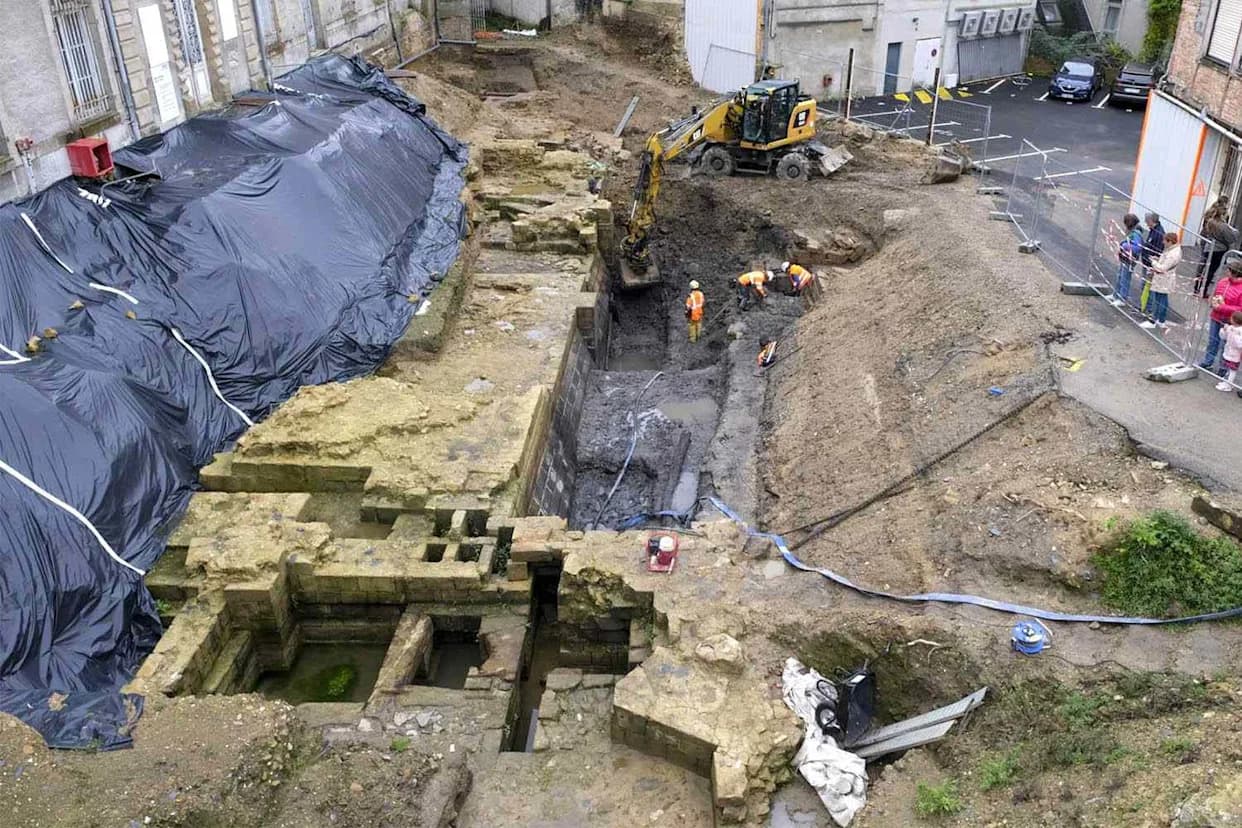
A castle built in the 1380s discovered under a hotel in Vannes, FranceEmmanuelle Collado, Inrap
Archaeologists in France have uncovered substantial remains of the Château de l'Hermine, a medieval ducal residence built in the 1380s, beneath the courtyard of the private Hôtel Lagorce in Vannes.
Discovery and Excavation
The National Institute for Preventive Archaeological Research (INRAP) first identified structural traces during groundwork in 2021. A more extensive excavation was carried out in 2023 ahead of construction for the new Vannes Museum of Fine Arts to map the full extent of the remains and document finds.
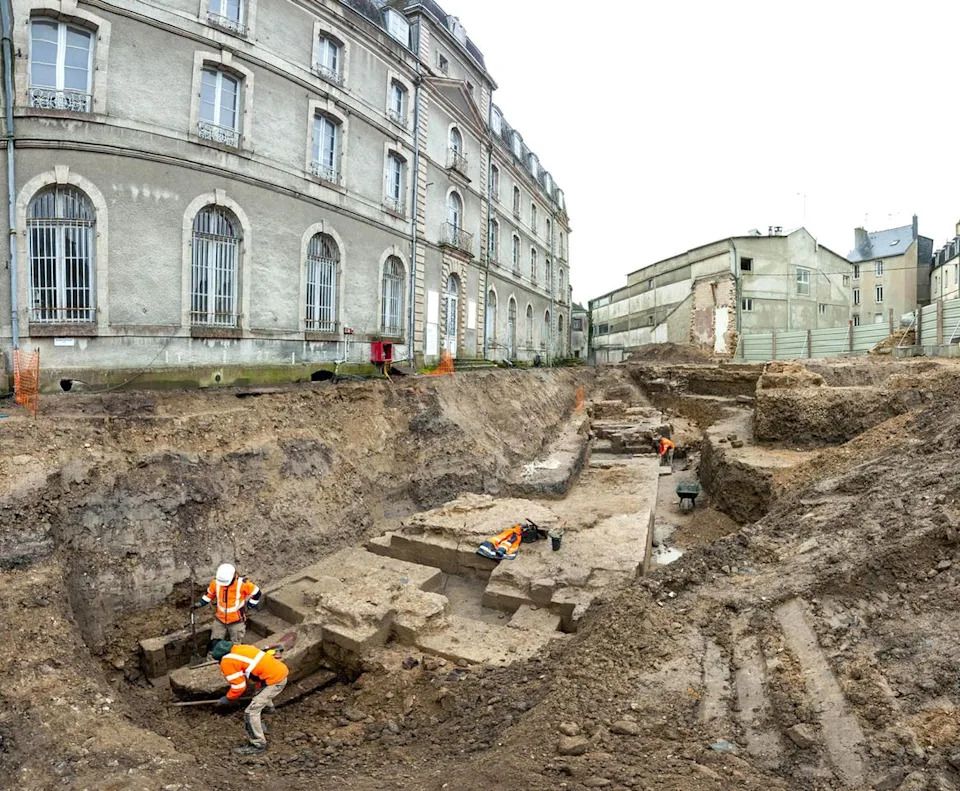
People working on the grounds of the 14th century castle in Vannes, FranceEmmanuelle Collado, Inrap
What the Team Found
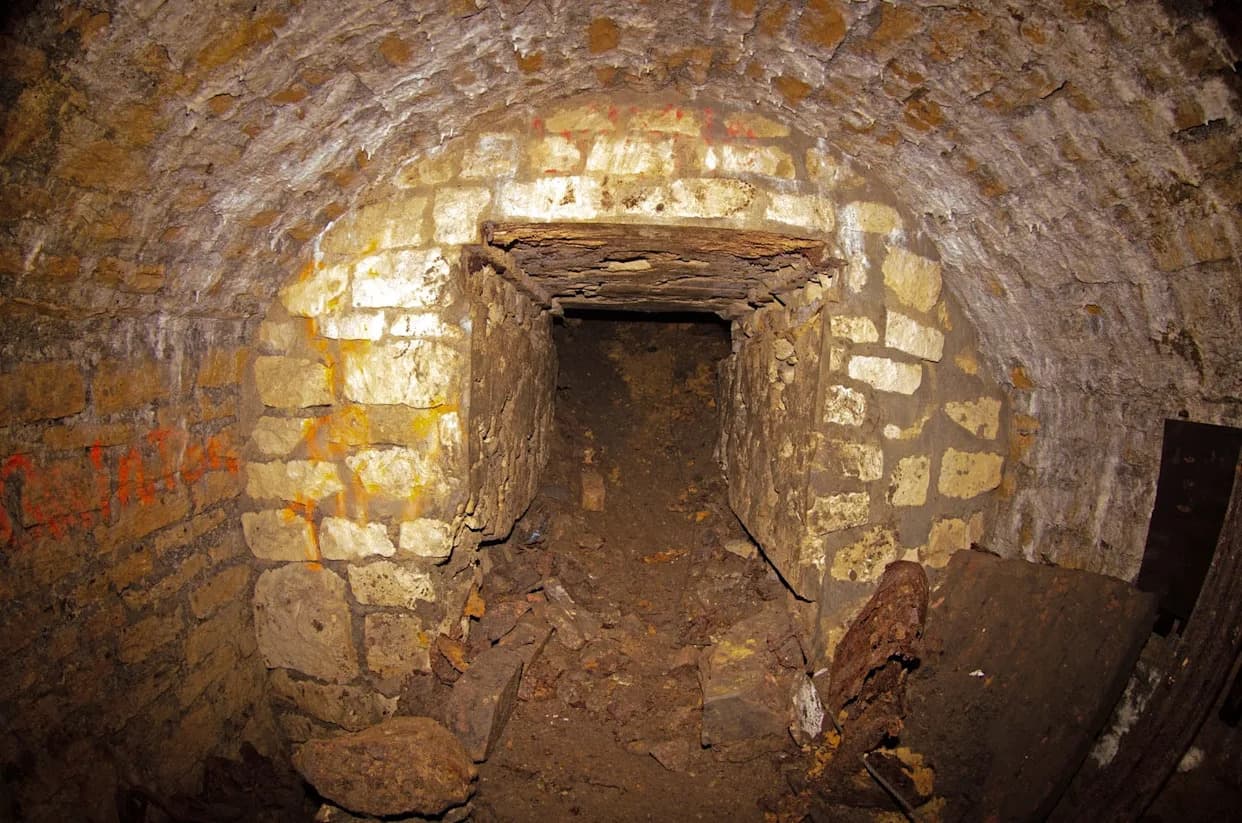
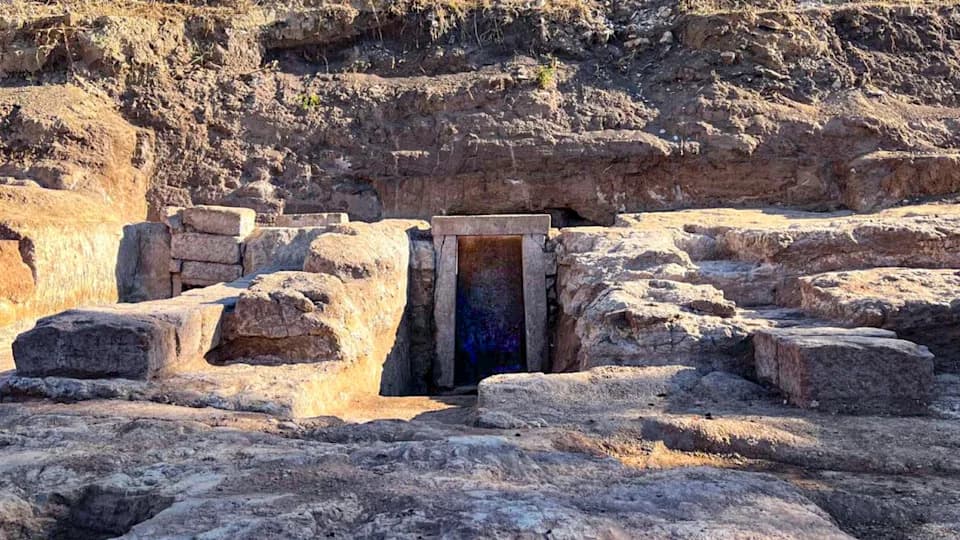
INRAP identified the unearthed complex as the ducal residence of John IV of Brittany. Archaeologists exposed the building's ground floor to a depth of about one metre and revealed an ornate façade, multiple rooms and circulation areas, and several staircases. A central corridor connects a north-facing town gate to another gate flanked by two large towers built on the city wall and shown on historic maps; that second gate overlooked the outer moat.
The uncovered ground floor measures roughly 42 metres long by 17 metres wide, with masonry walls rising up to 5.6 metres in the best-preserved sections. The structure was directly bordered by a moat and is flanked on the east by a square tower, evidence that led researchers to conclude the castle likely rose three or even four stories.
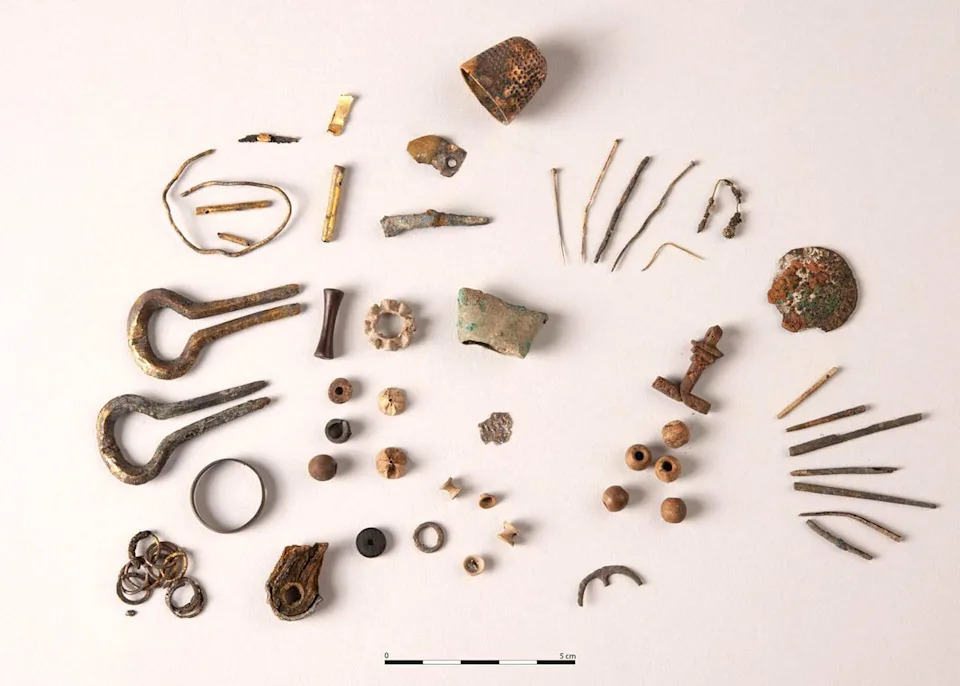
Well-preserved objects discovered with the castle in Vannes, FranceEmmanuelle Collado, Inrap
Artifacts and Preservation
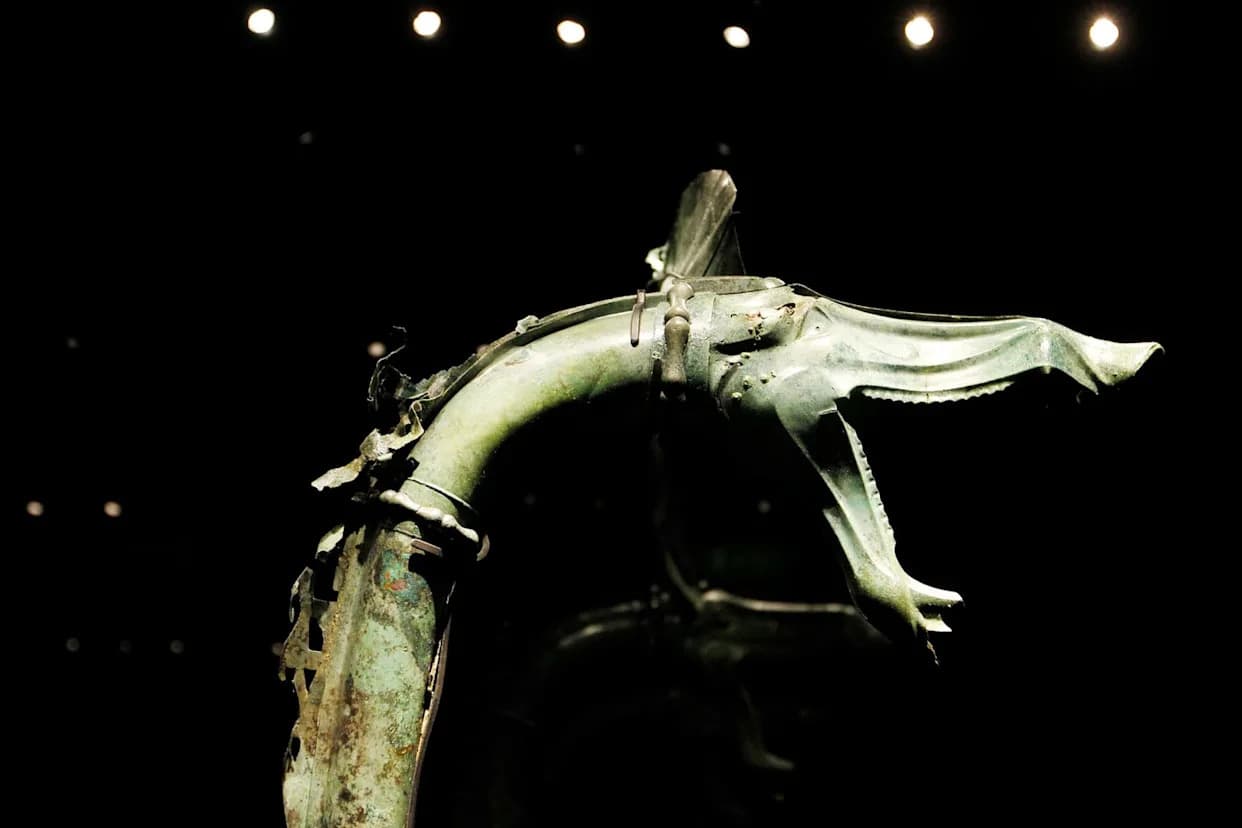
Excavations produced well-preserved objects associated with daily life at the residence: coins and jewelry, cooking tools such as pots, pans and roasting spits, and wooden items including bowls and barrel fragments. Many organic finds survived because of the damp, anaerobic conditions of the site, allowing archaeologists to recover fragile materials rarely preserved in open-air contexts. Several artifacts date to the 15th and 16th centuries, indicating continued occupation or use after the castle's construction.
Significance
The scale and craftsmanship of the masonry and recovered objects suggest John IV employed leading engineers and skilled craftsmen of his era when constructing and outfitting the residence. The discovery refines our understanding of late medieval urban fortifications and ducal presence in Vannes.
Photography and site information: Emmanuelle Collado, INRAP.
Help us improve.