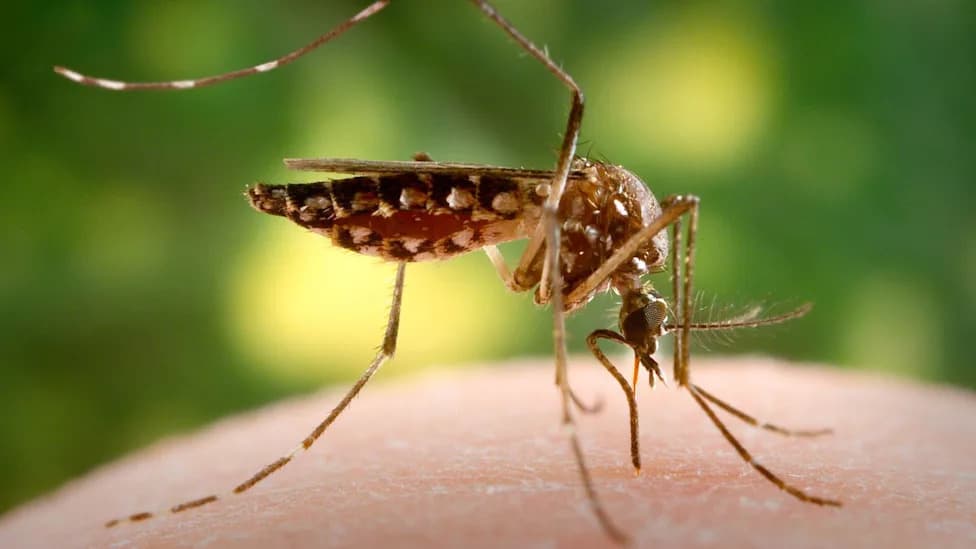
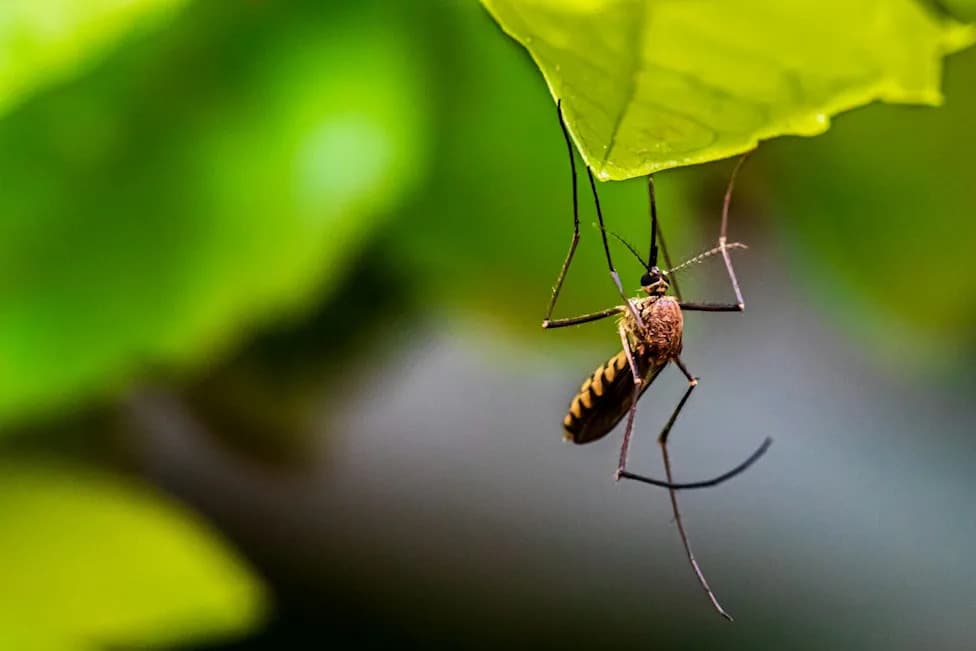
A new genetic analysis of roughly 12,000 DNA samples reveals that the human‑biting form of the urban mosquito Culex pipiens form molestus — commonly called the “London Underground” mosquito — likely originated more than 1,000 years ago, probably in or around Ancient Egypt. This challenges the long-held idea that the human‑biting form evolved only within the last 200 years as a response to modern urbanization.
The researchers traced genetic lineages and found that while mixed feeders (mosquitoes that bite both birds and people) are not as numerous as previously believed, they occur more frequently in larger cities. That pattern suggests urban environments increase the likelihood of mosquitoes feeding on both birds and humans.
Why this matters
Mosquitoes that feed on both birds and humans can transfer viruses from avian reservoirs into human populations. That host‑switching behavior raises the chance of spillover events for diseases such as West Nile virus, making densely populated urban areas potentially more vulnerable to outbreaks.
Context and implications
Princeton University associate professor Lindy McBride, the study's senior author, notes that the findings “provide new insight into how this mosquito varies genetically from place to place — insight that we think will help us better understand the role this species plays in transmitting West Nile virus from birds to humans.” The results illustrate how long‑term human expansion into natural habitats can influence wildlife behavior and disease risk.
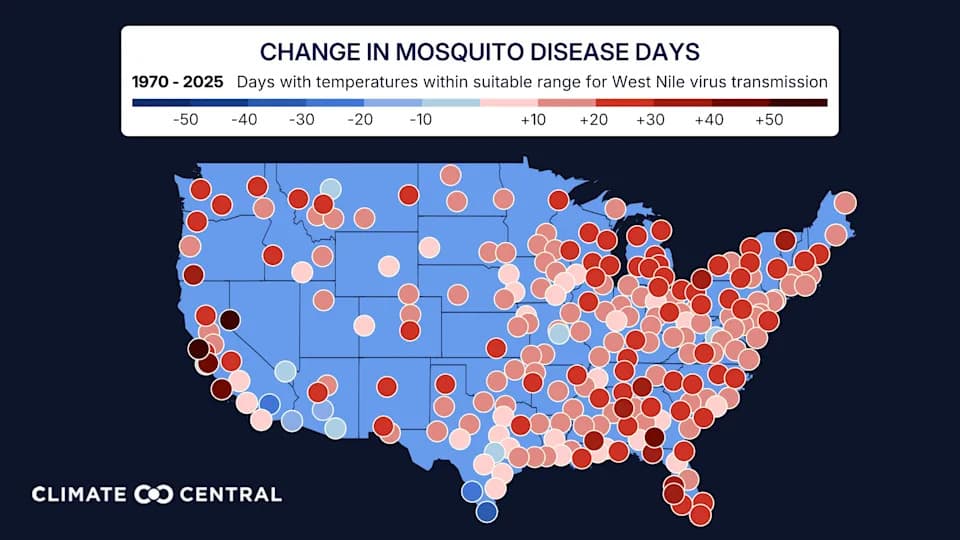
Climate change may amplify the threat: rising temperatures and longer warm seasons — linked to continued fossil fuel use — extend the period when mosquitoes are active, increasing opportunities for transmission. Public health initiatives such as the Global Vector Control Response (GVCR 2017–2030) aim to strengthen surveillance and control of vector‑borne diseases at national and international levels.
How individuals can reduce risk
Simple personal precautions can lower the chance of mosquito bites: wear long sleeves and pants when outdoors during peak mosquito hours, use EPA‑registered insect repellent, reduce standing water around homes, and support community vector‑control measures.
Key takeaways: The human‑biting lineage of the London Underground mosquito likely arose over a millennium ago; urban areas show a higher frequency of hybrid bird‑and‑human feeders, which increases the risk of West Nile virus spillover. Climate and continued urban growth may raise these risks further.