Iran’s rial tumbled to a record 1.2 million per U.S. dollar amid renewed sanctions and stalled nuclear talks with Washington. The currency collapse is driving up prices for staples such as meat and rice, deepening economic hardship for many Iranians. Citizens also fear a return to hostilities after June’s 12-day conflict, while experts warn sanctions have constrained foreign‑currency inflows and government capacity to maintain infrastructure.
Iran’s rial plunges to a record 1.2 million per dollar as sanctions tighten

Iran’s rial fell Wednesday to a new record low of 1.2 million to the U.S. dollar, as renewed nuclear-related sanctions and stalled talks over Tehran’s nuclear program squeeze an already fragile economy.
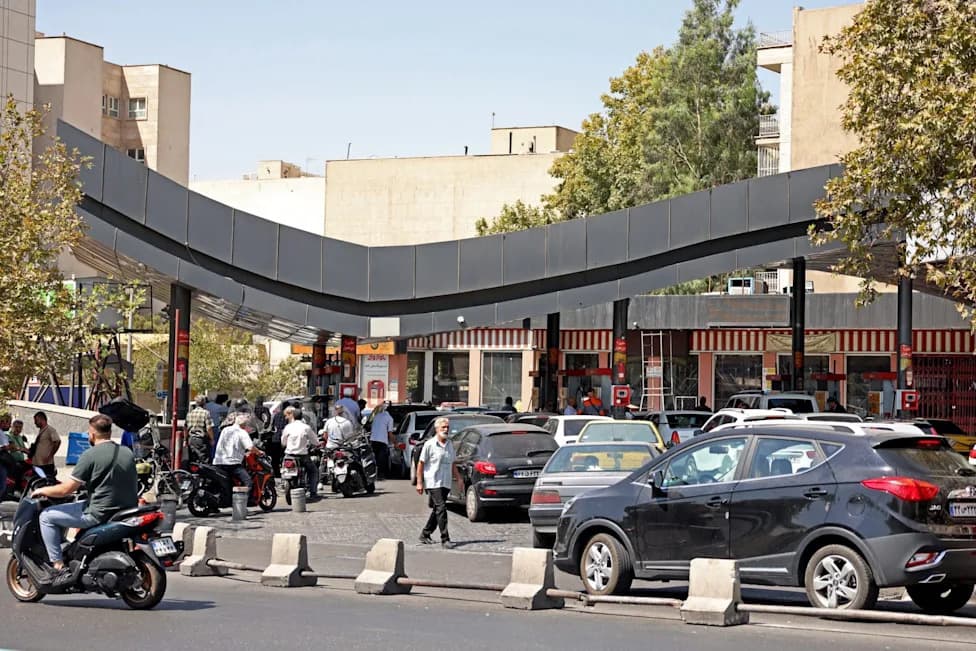
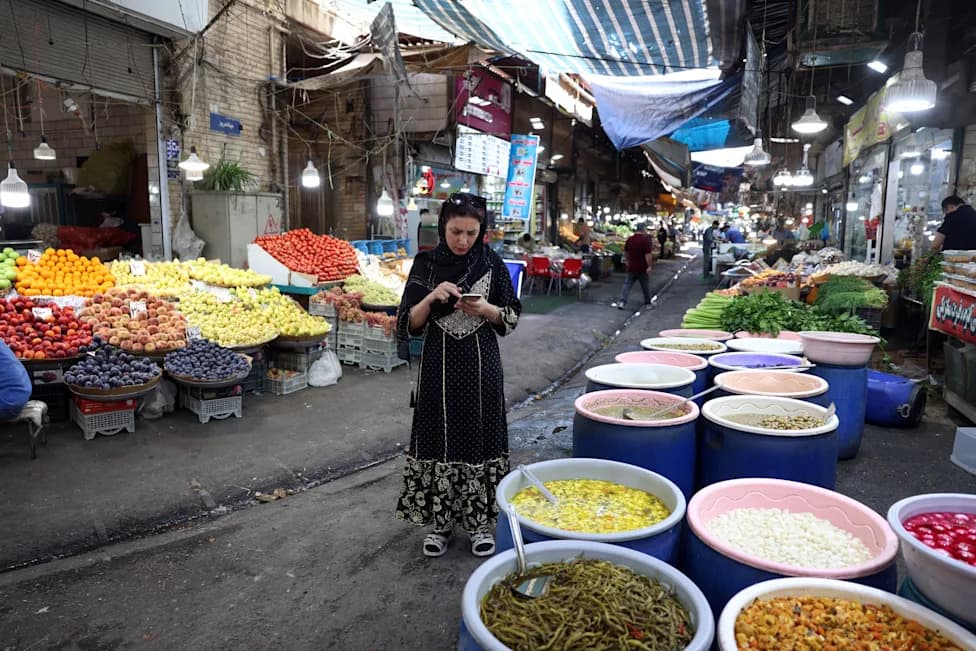
Traders were quoting the new exchange rate as efforts to revive negotiations between the United States and Iran remain stalled. The steep depreciation is pushing up prices for food and other essentials, intensifying daily hardship for many households.
Rising costs and public concern
Prices for staples such as meat and rice have climbed noticeably, affecting budgets across Iranian cities and towns. Citizens are also anxious about the prospect of renewed hostilities after June’s 12-day conflict involving Iran and Israel, and some fear the situation could widen to involve the United States.
“Life will not only become more difficult for ordinary people, but it will also fuel public concern over whether the government — given the limited inflow of foreign currency caused by sanctions — has the resources to maintain and repair the country’s aging infrastructure,” said Ali Moshtagh, a 53-year-old electrical engineer.
Sanctions and the exchange-rate slide
Iran’s economy has been sharply affected by international sanctions. In 2018, the United States withdrew from the 2015 nuclear agreement and later pursued a so-called “maximum pressure” campaign targeting Tehran, including sanctions on firms that trade Iranian crude oil. At the time of the 2015 deal, when Iran agreed to limit uranium enrichment in exchange for sanctions relief, the rial traded at roughly 32,000 to the dollar.
In late September, the United Nations imposed nuclear-related measures on Iran using a mechanism described by diplomats as a “snapback.” Those measures are reported to include freezes on some Iranian assets abroad, curbs on arms deals and penalties tied to development of Iran’s ballistic missile program.
The combination of international pressure, limited foreign-currency inflows and geopolitical uncertainty is weighing on the currency and raising questions about how the government will manage public services and infrastructure spending if the situation persists.
Help us improve.