Experts warn a proposed Alberta-to-Pacific heavy-oil pipeline could traverse poorly instrumented seismic zones in northern British Columbia and the Rocky Mountain trench. Unlike Alaska’s Denali project, the region lacks dense fault mapping and monitoring needed to design earthquake-resilient crossings. Fjords at the likely terminal—Douglas Channel—have recorded numerous past landslides, which could trigger tsunamis. Scientists call for urgent, detailed geophysical studies and monitoring before any construction proceeds.
Experts Warn Proposed B.C. Pipeline Faces Severe Seismic, Landslide and Tsunami Risks Without Urgent Monitoring

A proposed heavy-oil pipeline from Alberta to the Pacific could cross poorly understood and sparsely instrumented seismic zones in northern British Columbia and the Rocky Mountain trench, experts warn. Without detailed mapping and monitoring, the project could face catastrophic risks from ground rupture, landslides and fjord-generated tsunamis.
Lessons from Alaska's Denali pipeline
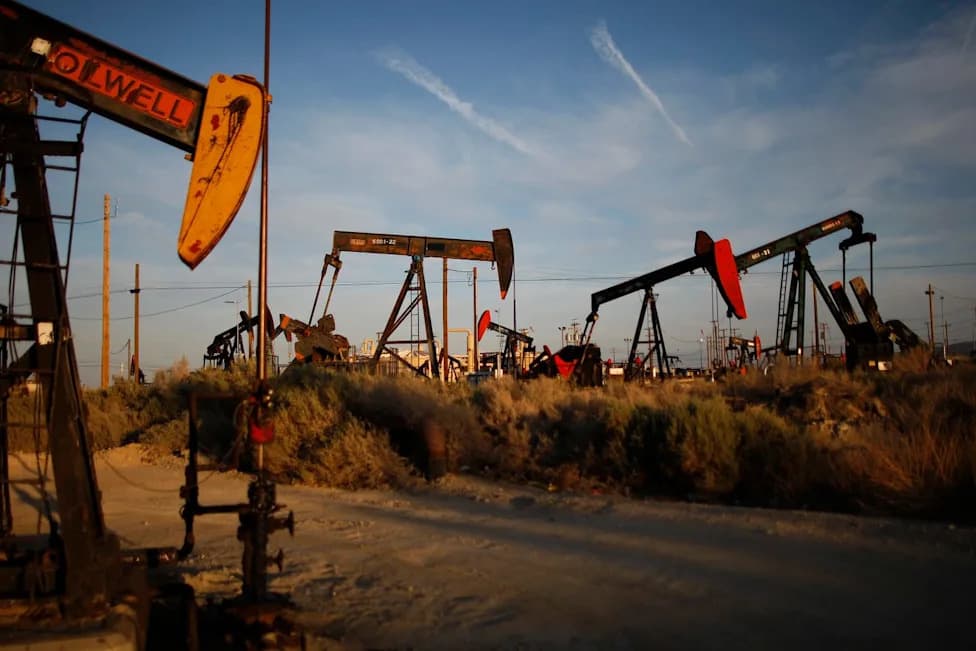
When a powerful earthquake struck Alaska in 2002, an 800-mile oil pipeline that crossed the Denali fault survived because engineers designed specific sections to accommodate fault movement using rail-style supports. "It worked because they could pinpoint how and where to build: they could put their hand right on the fault," said Edwin Nissen, a seismologist at the University of Victoria. That level of site-specific study does not exist for the proposed Canadian route.
Poor monitoring and big unknowns
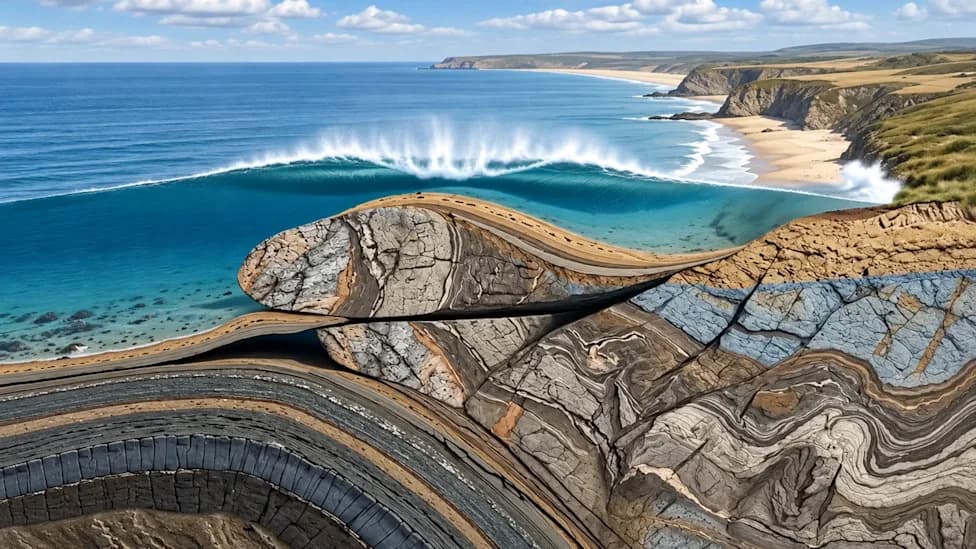
Much of Canada’s seismic monitoring network is concentrated near the southern border, leaving northern B.C. and prospective pipeline corridors poorly instrumented. "In the places where the pipeline might get built, there’s basically no monitoring of earthquakes. There’s no monitoring of landslides," Nissen said. He warned that several faults—some long considered dormant—may still be capable of surface-rupturing earthquakes, and that the tectonics of coastal mountain areas are "very poorly understood."
"What’s going on in these regions? Where are the faults? What is the risk of an earthquake on each of them? These are questions we should be asking—and answering—before any construction decisions are made," Nissen said.
Fjord geography multiplies the danger
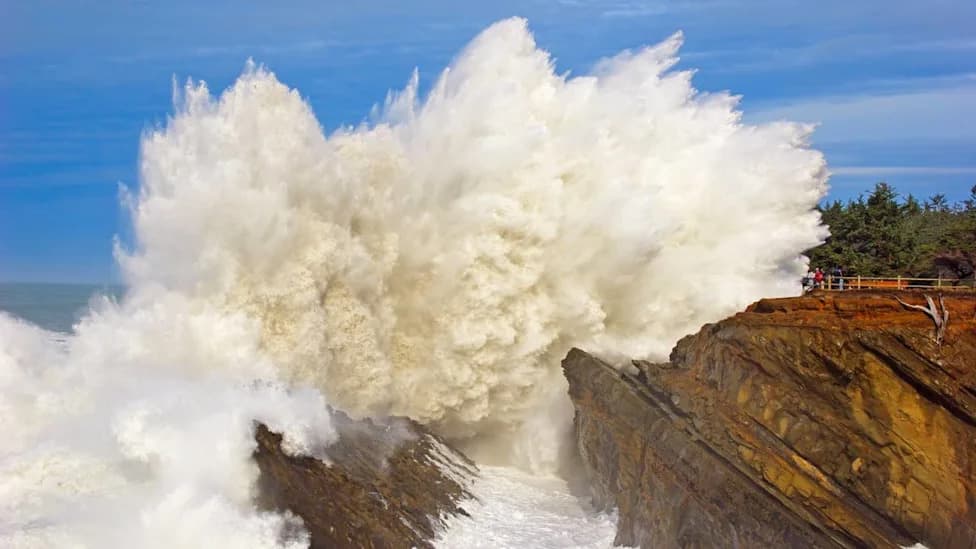
Fjords can amplify tsunami waves produced by landslides because their narrow, steep-walled geometry traps and focuses wave energy. In 1958, an earthquake-triggered landslide in Lituya Bay, Alaska, produced a megatsunami with a wave height of roughly 553 metres. Dan Shugar, a geomorphologist at the University of Calgary, cautions that similar fjord topography at the Douglas Channel—the likely terminal for large tankers—could produce catastrophic waves if a large submarine or coastal landslide occurred.
Canada’s geological survey has run high-resolution sonar mapping of the Douglas Channel and identified about 100 past submarine and coastal landslides, some of which are "truly gigantic," Shugar said. Although many events happened thousands of years apart, better data can produce recurrence estimates that are essential for planning infrastructure with multi-decade lifespans.
Political and Indigenous concerns
First Nations and provincial leaders have raised strong objections to the project, arguing that coastal communities would shoulder much of the environmental risk while receiving little of the economic benefit. British Columbia’s premier has criticized federal-provincial discussions that did not fully involve his government. "The oil sands will capture most of the profit, but all of the risk is being placed on B.C. and its coastal communities," said Nissen, reflecting concerns voiced by Indigenous leaders.
What scientists recommend
Experts urge that the federal government and any proponents first fund comprehensive geophysical studies: dense seismic and GPS monitoring, detailed fault mapping, high-resolution bathymetry of fjords, and landslide hazard assessments. Engineering can reduce risk, but site-specific design and mitigation are expensive and depend on reliable scientific data. "Black swan" events are rare but must be considered when planning infrastructure that could cause long-term environmental harm.
Decisions about major pipelines should be informed by robust, transparent science and meaningful consultation with affected communities. Without that groundwork, the technical and social risks of building through northern B.C.'s complex terrain remain unacceptably high.
Help us improve.