The Trump administration has increasingly intervened in California energy matters, challenging state and local decisions on an offshore pipeline, a hydropower decommissioning and the Ivanpah solar plant. Federal agencies have reversed or disputed state authorities and approvals, citing cost and national-security concerns, while California regulators and commissions have pushed back. The disputes raise investor risk and regulatory uncertainty that could complicate California’s efforts to meet growing power demand and climate goals.
Federal-State Energy Showdown: Trump Administration Takes On California Over Pipelines, Dams and Solar
SACRAMENTO, California — The Trump administration has moved beyond shaping national energy policy and is increasingly intervening directly in California’s energy decisions. Over the past year, federal officials have used a range of agencies and authorities to challenge state and local actions — from offshore pipeline oversight to hydropower decommissioning and disputes over a large solar plant.
Federal Interventions Across Multiple Fronts
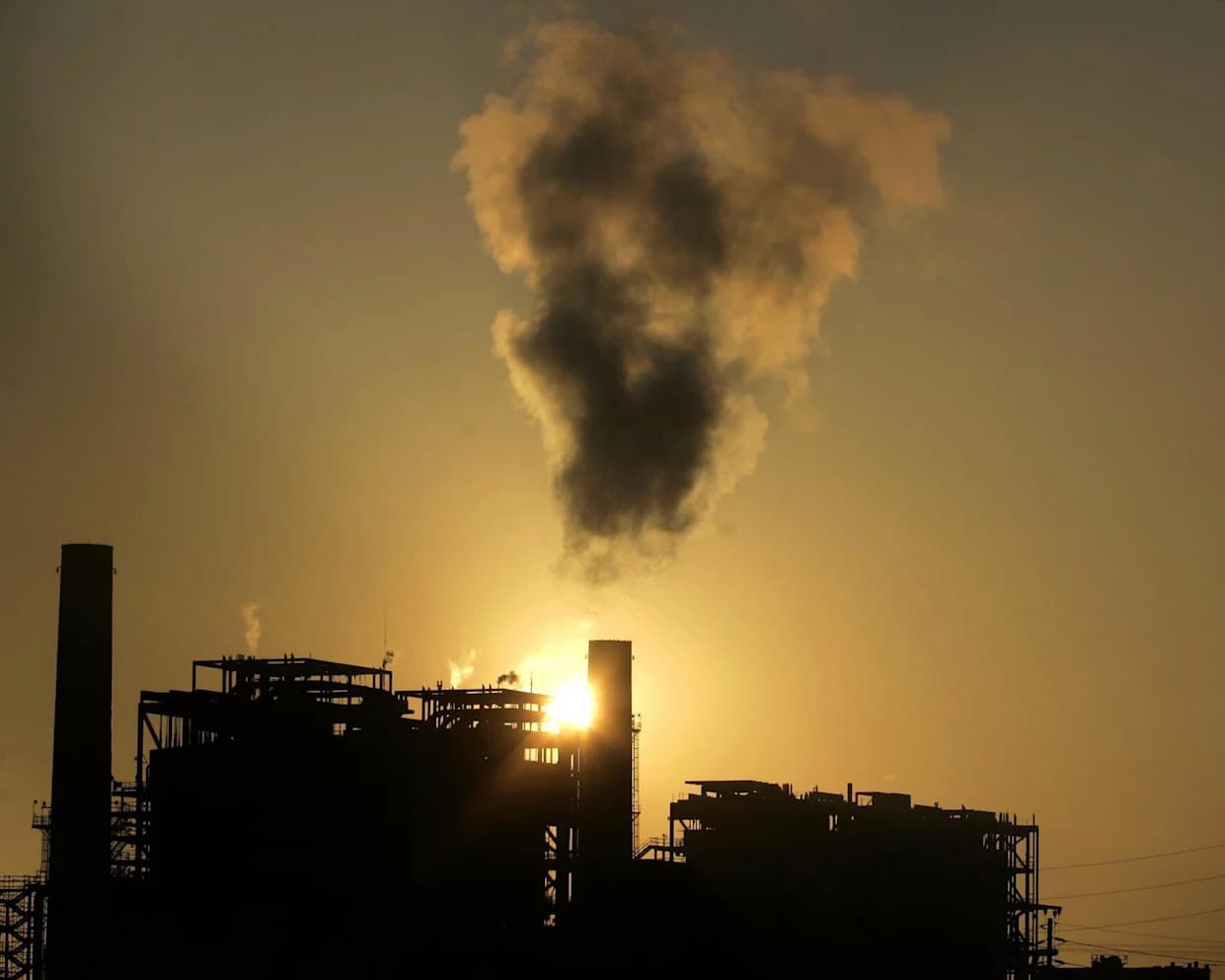
Since declaring a national energy emergency and prioritizing domestic oil production, the administration has repeatedly stepped into Golden State matters. Notable actions include cutting funding for an offshore wind port in Humboldt County, blocking a proposed California hydrogen hub, and asserting federal authority in several high-profile energy disputes.
Last month, federal pipeline regulators removed oversight of the pipeline system owned by Sable Offshore Corp. from the California Office of the State Fire Marshal and approved Sable’s restart plan. The California Coastal Commission has asked for review authority and has not received a federal response, according to spokesperson Joshua Smith.
White House spokesperson Taylor Rogers framed the interventions as responses to market and security concerns: “Not only do California’s energy policies result in astronomically high prices, but they also pose a national security risk,” Rogers said.
Hydropower, Water and FERC
The administration has also intervened in Pacific Gas & Electric’s plan to decommission a century-old hydroelectric project and associated dams on the Eel River. PG&E argues the project is no longer economical to maintain and filed for decommissioning with the Federal Energy Regulatory Commission (FERC) last year. Agriculture Secretary Brooke Rollins filed to intervene in the FERC proceeding and urged commissioners to deny PG&E’s request.
Rollins framed the move as pushing back against what she described as decades of unchecked state authority in an op-ed for the Mendo Voice. PG&E is seeking a final FERC decision by 2028.
Solar Plant Dispute: Ivanpah
Another flashpoint is the Ivanpah solar power facility in the Mojave Desert. Plant owners and federal officials say Ivanpah’s electricity is too costly to remain competitive. The Department of Energy — which provided three loan guarantees totaling $1.6 billion to Ivanpah in 2011 — has been involved in negotiations over contract termination or restructuring.
But the California Public Utilities Commission (CPUC) rejected contract-termination agreements negotiated by PG&E with Ivanpah’s owners, citing concerns that a federal stance hostile to renewables could undermine the state’s ability to meet rising demand. Greg Beard, a senior adviser in DOE’s Office of Energy Dominance Financing, said he planned to appeal the CPUC decision. DOE spokesperson Theresa Garner said the agency is evaluating next steps and working with the parties.
Legal Actions Over Local Gas Bans
The U.S. Justice Department last week sued two Northern California local governments over ordinances restricting natural-gas hookups. City officials in those jurisdictions maintain the measures were not being actively enforced.
“If a state like California has to import oil from overseas because of policies restricting oil off its coast, that's a fight worth taking on,” wrote Rich Goldberg, a former senior counselor to the Trump administration’s National Energy Dominance Council.
Former FERC commissioner Jon Wellinghoff warned that the federal-state antagonism raises risks for private investors, particularly in renewable energy. “Companies will demand a higher risk premium when state and federal priorities clash, which makes progress slower and less efficient,” he said.
Why This Matters
The disputes are about more than individual projects. They reflect a broader clash between a federal agenda favoring fossil fuels and California’s climate and clean-energy policies. The conflicts could increase regulatory uncertainty and raise financing costs for projects in the state, potentially slowing the transition to cleaner energy even as demand grows.
Federal and state officials are now locked in a series of regulatory and legal battles that will shape energy investment, grid planning and environmental policy in California for years to come.
Help us improve.