The study shows that anacondas reached an average length of about 17 feet (5.2 m) roughly 12.4 million years ago and have remained that size to the present. Researchers measured 183 fossil vertebrae from at least 32 individuals in Venezuela and used ancestral state reconstruction to infer past body lengths. Despite climate cooling and ecosystem changes in the Pliocene and Pleistocene, anacondas did not shrink, and the reasons for this long-term stability remain uncertain.
Anacondas Went Giant About 12 Million Years Ago — and They've Stayed That Big

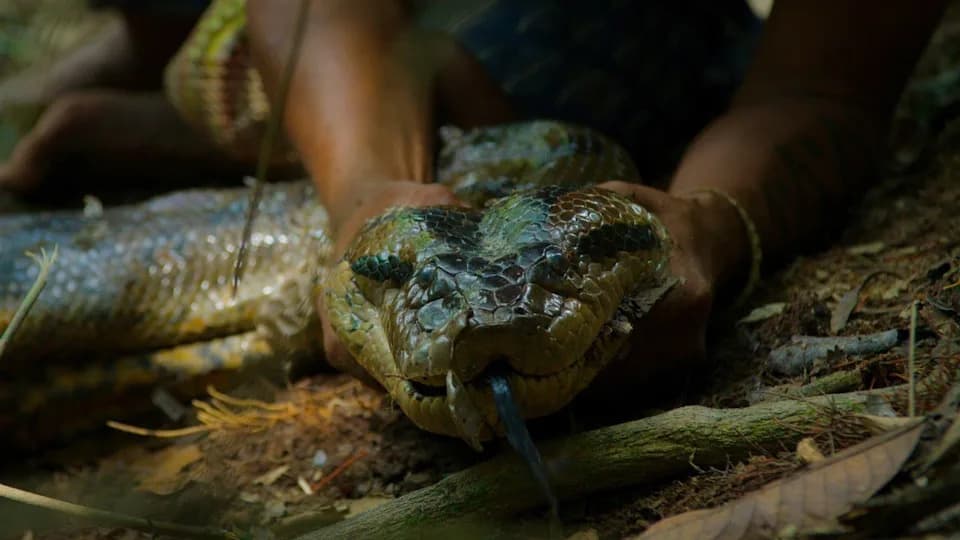
A new study finds that anacondas reached their enormous size roughly 12.4 million years ago and have remained about the same size ever since. Researchers combined fossil measurements and evolutionary modeling to show that the average body length of anacondas has been effectively stable from the Middle Miocene to today.
The research, published Dec. 1 in the Journal of Vertebrate Paleontology, was led by vertebrate paleontologist Andrés Alfonso-Rojas of the University of Cambridge and colleagues. To estimate past sizes, the team measured 183 fossilized anaconda vertebrae representing at least 32 individual snakes recovered from Venezuela and used ancestral state reconstruction techniques to infer likely body lengths for extinct ancestors.
Their analyses indicate that anacondas averaged about 17 feet (5.2 meters) long when they first appear in the fossil record approximately 12.4 million years ago — a length similar to modern averages. Today’s green anacondas are among the heaviest snakes on Earth, typically about 13–16 feet (4–5 m) in length, with the largest individuals reaching up to about 23 feet (7 m).
“This is a surprising result because we expected to find the ancient anacondas were seven or eight meters [23 to 26 feet] long,” Alfonso-Rojas said. “But we don't have any evidence of a larger snake from the Miocene when global temperatures were warmer.”
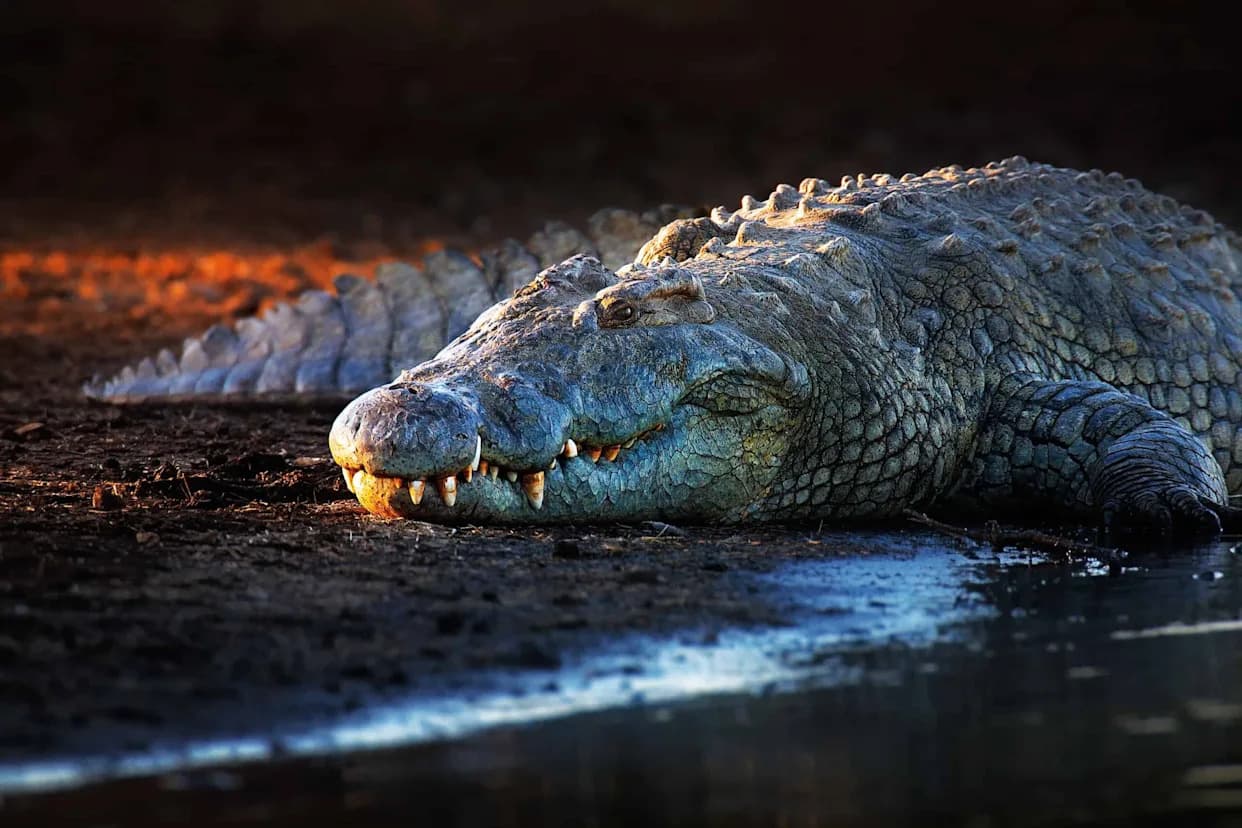
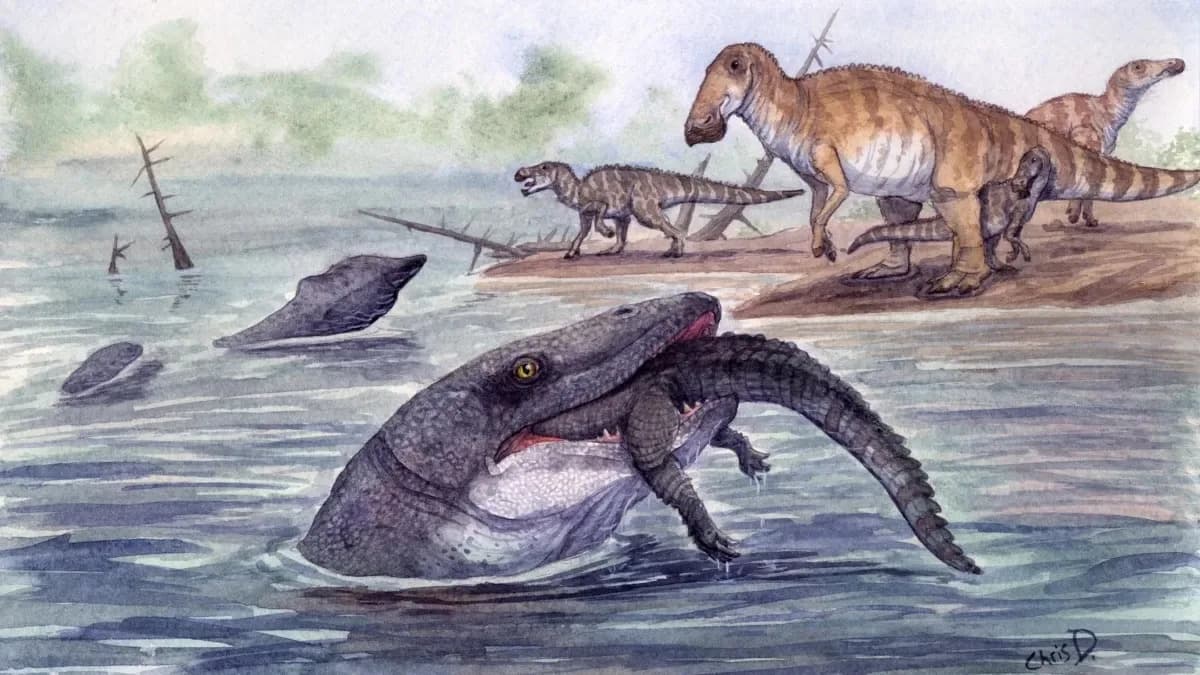
During the Middle and Upper Miocene (roughly 12.4 to 5.3 million years ago), warmer climates, widespread wetlands and abundant prey allowed many species to grow much larger than their modern relatives. Many of those giants — for example, enormous crocodiles and turtles — later declined or went extinct as climates cooled and habitats contracted. But the fossil and modeling results suggest anacondas maintained their large body size through the Pliocene and Pleistocene despite those changes.
The authors argue that neither long-term climate cooling nor the arrival of new predators and competitors in South America clearly forced anacondas to shrink. While abundant prey and reduced competition may have helped them become large initially, the snakes’ persistence at similar sizes suggests other factors — physiological limits, reproductive advantages, or ecological flexibility — could be important in maintaining their giant stature. The exact causes of this long-term stability remain an open question for future research.
Implications: The study highlights that some lineages can reach and maintain extreme body sizes over millions of years, challenging assumptions that Miocene warmth alone explains the occurrence of giant species. Further fossil discoveries and biomechanical or ecological studies will be needed to pinpoint the mechanisms behind anacondas’ enduring largeness.
Help us improve.