The Submariners’ Advocacy Group, formed in 2024, released a Nov. 8 report calling for declassification of historical submarine atmospheric surveys and new research into air-quality hazards aboard submarines. SAG highlights potential exposure to benzene, asbestos, monoethanolamine and other contaminants in low-oxygen, high-CO2 environments and estimates about 130 chemicals may circulate in submarine atmospheres. The group urges the VA to recognize related illnesses, improve clinician and claims training, and wants Congress to extend presumptive benefits to submarine service.
Submarine Veterans Demand Declassified Air Surveys, New Research and Presumptive VA Benefits

The Submariners’ Advocacy Group (SAG), a nonprofit formed in 2024 to represent current and former U.S. Navy submarine personnel, published a report on Nov. 8 urging fresh research into hazardous exposures aboard submarines and calling on the Department of Veterans Affairs to recognize a range of illnesses as service-related for submariners.
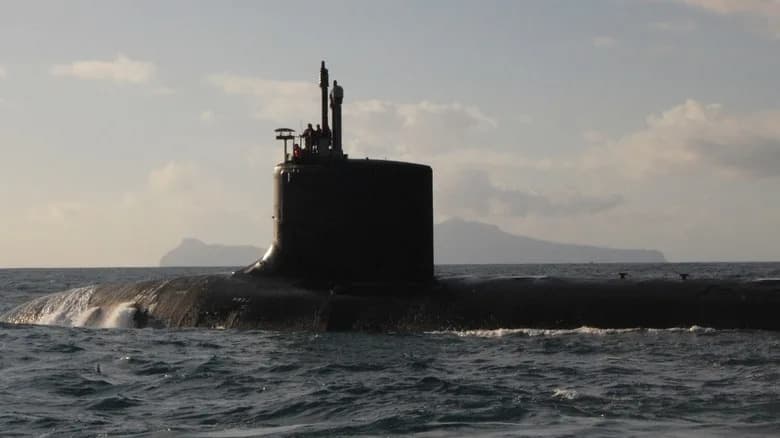
The report catalogs chemicals and other hazards identified in submarine atmospheres and describes life aboard ballistic missile and fast-attack submarines as a sealed, often hypoxic environment where crew members routinely experience lower oxygen and higher carbon dioxide levels. In that atmosphere, submariners may have been exposed to known and suspected toxicants including benzene, asbestos, monoethanolamine (used in CO2 scrubbing), ozone, lubricating oils and, in some circumstances, ionizing radiation.
SAG leaders say much of the Navy’s historical research is either outdated or remains classified. The group is demanding that the Navy declassify atmospheric surveys conducted from the 1960s through 2000 and fund new, comprehensive studies of submarine air quality. They estimate as many as 130 chemicals may circulate within submarine atmospheres and argue that up-to-date, public data are essential for veterans to understand their health conditions and pursue VA disability claims.
“For decades, our submariners were told their environment was safe. In reality, they were breathing low-oxygen atmosphere tainted by toxins like monoethanolamine and benzene,” said SAG Chairman and CEO Stanley Martinez, calling the current burden of proof placed on veterans seeking care “impossible.”
The report notes that the National Research Council’s Committee on Toxicity has studied submarine contaminants and issued exposure recommendations, and that the Navy has established guidance levels for many substances. However, SAG contends that key atmospheric surveys from the 1990s and 2000s have not been released publicly and that research has not kept pace with modern toxicology or the needs of affected veterans.
SAG Executive Director David Bozarth said the advocacy group grew out of conversations among veterans about shared health problems, limited information on potential exposures and difficulty obtaining VA benefits. The organization represents a community of roughly 300,000 people who served in the submarine force and seeks to be their unified voice.
The report includes personal accounts from former submariners. One member, Joshua Goodenough, who served from 1981 to 1996 as a nuclear electrician’s mate, described a medical history that ultimately led him off submarines and later to successful VA claims for conditions he believes originated while aboard subs.
To strengthen its findings, SAG consulted experts at the National Jewish Health’s Center for Deployment-Related Lung Disease in Denver, a center noted for research on burn-pit exposures that contributed to the PACT Act. SAG plans to meet with members of Congress, VA and Department of Defense officials, and researchers to press for policy changes.
What SAG is asking for
- Release and declassification of all submarine atmospheric survey records from 1960–2000.
- Federal funding for new, comprehensive air-quality studies aboard modern submarines, including examination of an estimated 130 chemicals.
- Recognition by the VA of illnesses linked to submarine service, plus improved VA training for clinicians and claims adjudicators about submariner exposures.
- Legislative action to extend presumptive VA benefits to submarine service—similar in effect to provisions in the PACT Act—so veterans do not face an undue burden proving exposure-related illnesses.
SAG leaders argue that acknowledging the unique, continuous exposures inherent to submarine duty would ensure fair treatment of this community and remove a heavy evidentiary burden from veterans seeking care. As SAG Executive Director Bozarth put it: “We want Congress to mandate that submarine duty can be enough to trigger presumptive disability eligibility—whether it’s radiation, atmosphere, or other hazards. Everybody is exposed.”
The report does not attempt to assign legal liability but focuses on transparency, research and policy changes to help veterans get timely care. SAG is seeking endorsements and support from other veterans’ organizations as it pursues meetings with lawmakers and federal agencies.
Help us improve.