
Project Recover uses underwater drones, dive teams and forensic DNA analysis to locate and recover U.S. service members missing from past conflicts. Founded after a 1993 discovery of a World War II wreck in Palau, the nonprofit has completed 100+ missions across 25 countries and repatriated 24 Americans. Teams have identified dozens of crash sites in Palau tied to nearly 100 missing personnel, and Project Recover is currently fundraising for a 2026 search for a B-52 lost off the Texas coast in 1968.
Underwater Detectives: How Project Recover Uses Drones and DNA to Bring Missing Service Members Home

Project Recover members stand with folded American flags during a ceremony honoring fallen World War II aviators.
More than 80,000 U.S. service members remain listed as missing in action from past conflicts. The Defense POW/MIA Accounting Agency (DPAA) estimates that the remains of roughly 38,000 of those veterans could potentially be recovered through modern research and technology. The nonprofit Project Recover partners with the DPAA to locate wreckage underwater, recover remains when possible, and use forensic analysis to identify and repatriate lost service members.
From a Chance Discovery to a Global Mission
Project Recover was founded after Dr. Patrick Scannon discovered a downed World War II aircraft while touring the Palau islands in 1993. That single 65-foot wing inspired a focused effort to find, document and recover aircraft and shipwreck sites tied to missing personnel.
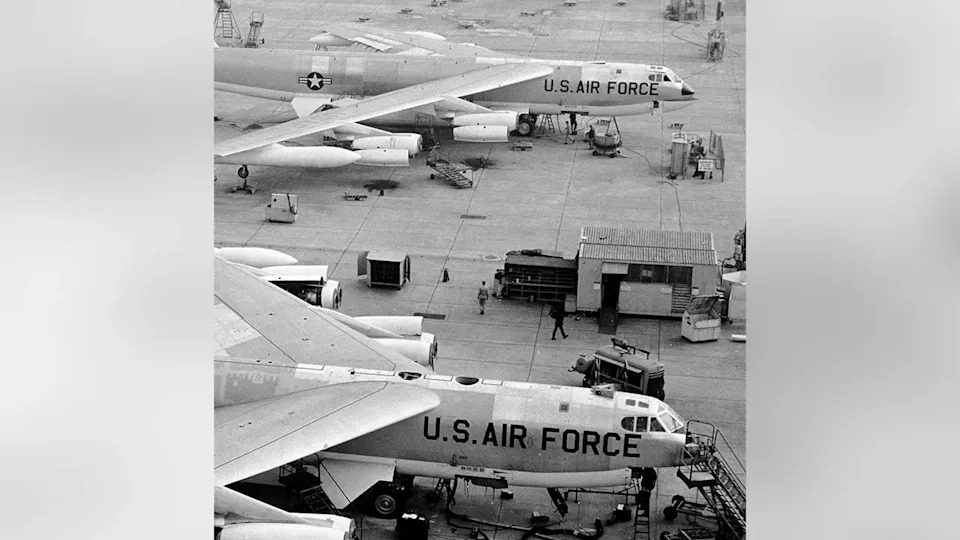
U.S. Air Force B-52 bombers are parked on a military airfield.
Technology, Teams and Tough Underwater Work
Former Navy Rear Admiral Tim Gallaudet, a member of Project Recover's advisory council, described the effort as "a great American story." Project Recover combines remotely operated vehicles (ROVs), autonomous underwater vehicles (AUVs), dive teams and archival research to locate wreck sites. Once a site is found, recovery requires carefully documented dives, extraction of remains or artifacts, and forensic and DNA testing to confirm identities.
"The recovery is difficult. We first have to find the aircraft or ships. And then we’ve got to go determine if there are any remains there and then ID them, match them to the service members." — Tim Gallaudet
Palau: A Focus of World War II Recoveries
Project Recover teams have located dozens of aircraft sites across the Palau islands, tied to nearly 100 service members listed as missing. In 1944, U.S. forces fought a costly 74-day campaign on Peleliu, part of the Palau group, where difficult terrain and hidden positions compounded losses and left many aircrews and sailors unaccounted for.
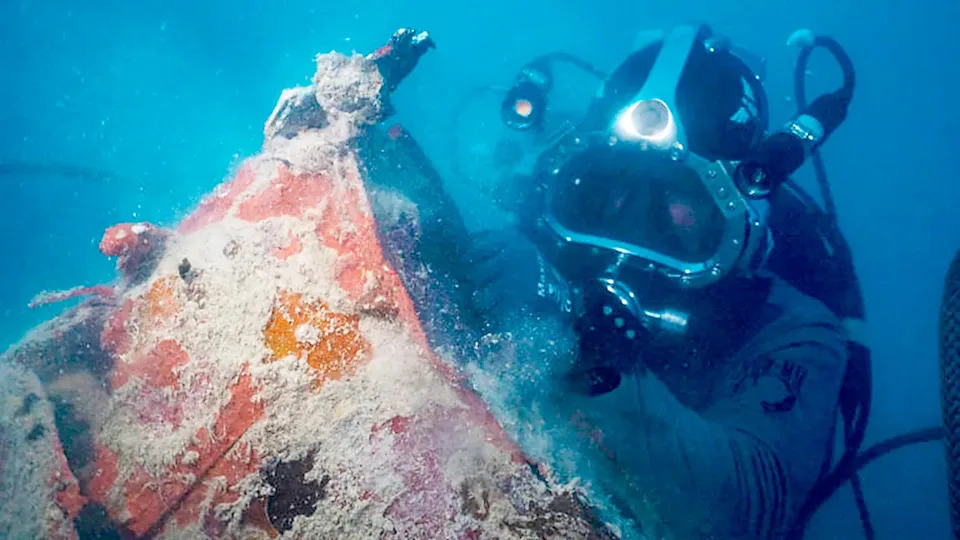
A diver examines a wreck during an underwater mission to locate and recover missing U.S. service members.
A Case Study: Three Airmen Reunited With Their Families
One notable recovery involved the crew of a plane lost during pre-invasion strikes in September 1944. Lt. Jay Manown, AOM1c Anthony Di Petta and ARM1c Wilbur Mitts were located in 2015. After more than a dozen dives to document the wreck and careful recovery work, remains were extracted and sent for forensic analysis and DNA testing. Identification occurred over several years, and the final serviceman was eventually repatriated for burial in his West Virginia hometown.
The recovery forged a close bond among the three airmen's nieces, who described a deep emotional connection and gratitude that their uncles were returned and identified.
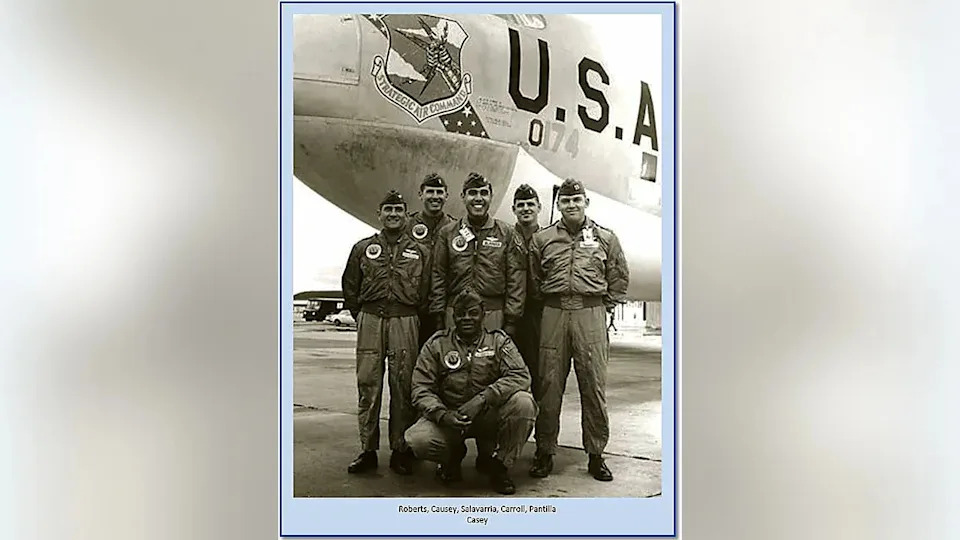
U.S. Air Force B-52 crew members pose for a group photo.
Current Priorities: A Missing B-52 and Fundraising
Beyond Palau, Project Recover has completed more than 100 missions across 25 countries, locating more than 200 missing-in-action cases and repatriating 24 missing Americans. The organization is currently fundraising for a planned 2026 search for a B-52 bomber lost off the Texas coast during a routine training flight in February 1968. Eight crewmen were aboard; three pieces of debris washed ashore near Corpus Christi at the time, but the main wreck has not been located.
Because the B-52 loss occurred during a non-conflict training accident, DPAA policy does not permit the agency to fund a search until remains or wreckage are located and recovery is feasible. Project Recover has raised more than $300,000 toward the search and estimates it needs an additional $200,000 to mount the operation. If the nonprofit locates the wreck and recovers remains, DPAA would then be able to allocate resources for a formal recovery mission.
Why This Work Matters
Searching for missing service members combines historical research, advanced underwater technology and forensic science — and it reunites families with long-awaited answers. Many relatives of missing service members remain alive today and are still seeking closure. Organizations such as Project Recover play a crucial role in filling gaps left by earlier searches, using modern tools to pursue recoveries that were once impossible.
To learn more or support ongoing missions, visit Project Recover's official website.


