Federal budget proposals from the administration and the Republican-led House would cut or eliminate several programs that schools use to fund high-impact tutoring, even as research shows tutoring remains central to pandemic recovery. Key programs at risk include Title I (proposed 26% cut), Title II and Title III (targeted for elimination), Title IV and rural education funds, plus reductions to Work‑Study and AmeriCorps. Administrative moves to shrink or move Education Department offices add further uncertainty. The piece urges Congress to protect funding and staff that sustain tutoring so students do not lose critical support.
Cuts to Federal Education Funding Would Jeopardize High‑Impact Tutoring — Students Would Suffer

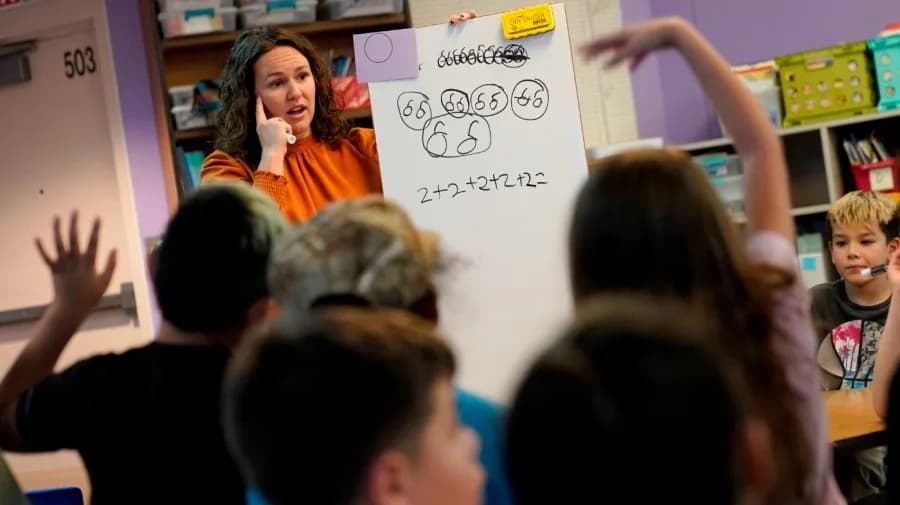
As pandemic-era federal relief funding has phased out, many schools have worked to sustain high-impact tutoring programs that helped address learning loss. New survey evidence shows strong continued demand for tutoring: 93% of schools offering tutoring in 2024–25 served the same number or more students than the prior year, according to RAND and the Partnership for Student Success.
Federal cuts put tutoring at risk
Despite bipartisan concern about slow post-pandemic recovery in student achievement and broad recognition of tutoring as an evidence-based response, several federal budget proposals would sharply reduce or eliminate the funding streams schools use to run tutoring programs. Those proposals include:
Title I, Part A (ESEA): The primary federal K–12 program provides roughly $18.4 billion this year to high-poverty and low-income schools. A House appropriations bill reported out of committee would cut Title I by about 26% (roughly $4.7 billion).
Title II: Approximately $2.2 billion that districts use to train and compensate staff for tutoring is targeted for elimination in both the administration’s budget plan and the House bill.
Title III: The roughly $890 million that supports tutors and services for English learners is also proposed for elimination, threatening specialized supports for students learning English.
Title IV (Parts A and B): These programs, which fund tutoring during and after school (about $2.7 billion), face elimination in the administration’s proposal. The Rural Education Achievement Program ($220 million), often used to hire tutors in rural districts, is also at risk.
Other programs that expand tutoring capacity
Federal Work‑Study: Colleges can subsidize wages for students who serve as reading or math tutors; the administration’s budget would cut Work‑Study by about $980 million (nearly 80%), while the House bill would reduce it by about $450 million.
AmeriCorps: National service programs supported by AmeriCorps are already seeing staff reductions and reduced direct assistance to students. The administration’s proposal would cut AmeriCorps by more than $1 billion (around 91%), and the House plan would cut roughly $619 million.
Administrative changes are amplifying uncertainty
Beyond funding reductions, administrative moves have created additional disruption. Earlier this year the administration eliminated the Office of English Language Acquisition, which oversaw Title III. During a recent shutdown it sought to remove most staff from the Office of Elementary and Secondary Education, which manages Title I and Title II. The department has also proposed transferring administration of some K–12 funds to the Department of Labor, a shift that has added confusion amid announcements about staff reassignments and terminations.
Bottom line: At a moment when many districts are expanding tutoring to accelerate academic recovery, these budget and organizational changes would make it harder for states and districts to sustain and scale high-quality tutoring. Congress should consider protecting the programs and personnel that make tutoring possible to avoid undermining student recovery.
Sources: RAND and the Partnership for Student Success (national survey), federal program appropriations and budget proposals for Title I, II, III, IV, Work‑Study, and AmeriCorps.
Help us improve.