This Texas A&M study found that molybdenum disulfide "nanoflowers" reduce oxidative stress in stem cells, triggering genes that boost mitochondrial production. Treated stem cells donated roughly twice the normal number of mitochondria to nearby cells, with a 3–4x increase observed in heart smooth muscle cells, improving survival after chemotherapy exposure in lab tests. The technique shows therapeutic promise but remains preliminary; animal studies are needed to assess safety, dosing, and long-term effects.
Scientists Boost Stem Cells to 'Swap' Fresh Mitochondria and Restore Aging Cells

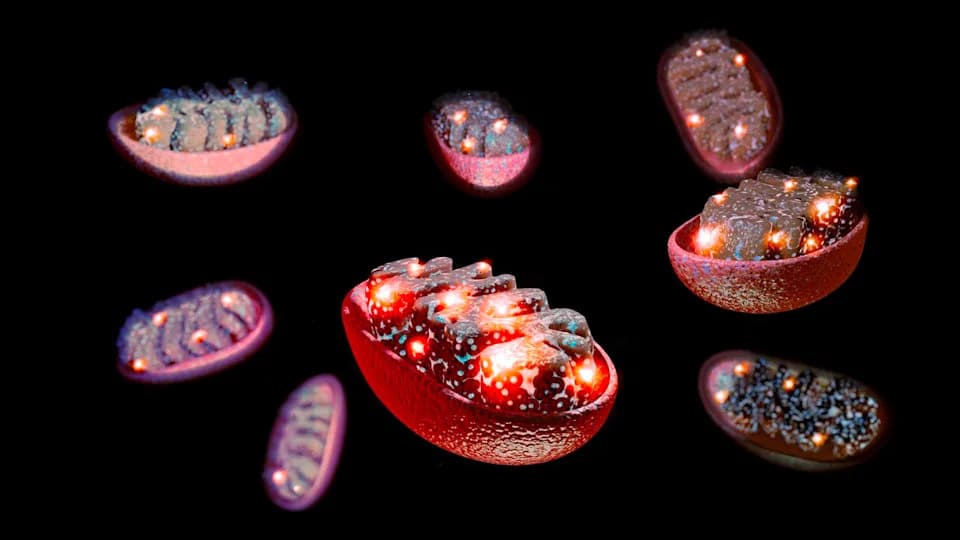
New laboratory research from Texas A&M University shows that specially engineered nanoparticles can stimulate stem cells to produce extra mitochondria—the cell's energy units—and then transfer those mitochondria to older or damaged neighboring cells. The approach acts more like a battery swap than a literal recharge, helping weakened cells regain function without genetic modification or drugs.
How the method works
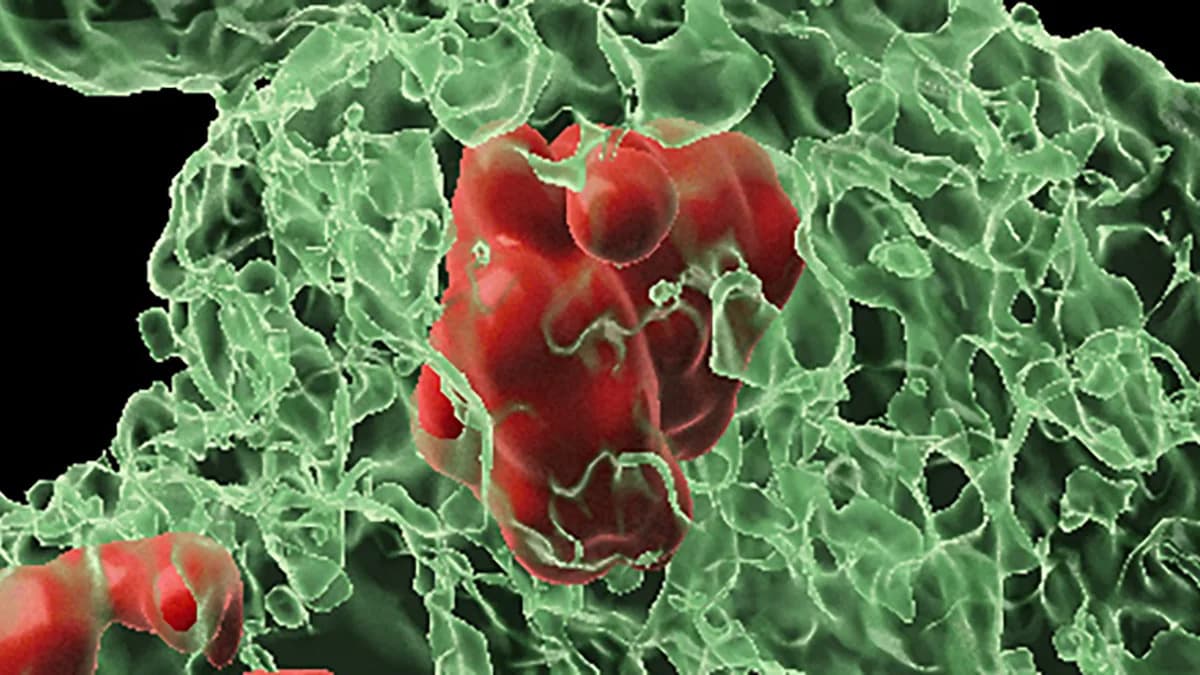
Researchers designed flower-shaped nanoparticles made of molybdenum disulfide, nicknamed "nanoflowers," with porous surfaces that scavenge reactive oxygen species (ROS). Lowering oxidative stress in treated stem cells activated gene programs that increase mitochondrial biogenesis. Because stem cells naturally donate mitochondria, the treated cells carried substantially more spare mitochondria to share with nearby cells.
Key findings
The team reports roughly a twofold increase in mitochondrial transfer overall, with heart smooth muscle cells receiving three- to four-times more donated mitochondria in these laboratory experiments. In heart cells exposed to harmful chemotherapy agents, receiving mitochondria from treated stem cells noticeably improved cell survival.
"We have trained healthy cells to share their spare batteries with weaker ones," said biomedical engineer Akhilesh Gaharwar, a coauthor of the study.
Geneticist John Soukar, another collaborator, described the findings as an encouraging early step with broad potential: delivering enhanced stem cells near the heart for cardiovascular disease or into skeletal muscle for disorders such as muscular dystrophy.
Limitations and next steps
The authors emphasize these results are preliminary and were obtained in cell-culture experiments. Critical next steps include testing safety and efficacy in animals, determining optimal implantation sites and dosing, and studying longer-term effects and immune responses. Only after rigorous preclinical and clinical testing could the approach be considered for human therapies.
The full study is published in the Proceedings of the National Academy of Sciences (PNAS).
Help us improve.