The Trump administration and four Republican-led states — Florida, Indiana, Iowa and Ohio — reached a settlement in which the states agreed to help DHS test and expand the SAVE citizenship-verification system by providing driver’s license records via the Nlets law-enforcement network. Each state may supply up to 1,000 randomly selected records for quality checks, and the settlement asks the states to support DHS efforts to access Nlets. Supporters say the changes improve election integrity; critics warn they centralize sensitive data and risk federal overreach.
Four Republican States Agree to Let DHS Access Driver’s License Records for Expanded Citizenship Verification

Four Republican-led states — Florida, Indiana, Iowa and Ohio — have agreed in a federal settlement to assist the Department of Homeland Security (DHS) in obtaining driver’s license records through the National Law Enforcement Telecommunications System (Nlets) to support an expanded citizenship-verification program known as SAVE.
What the settlement requires
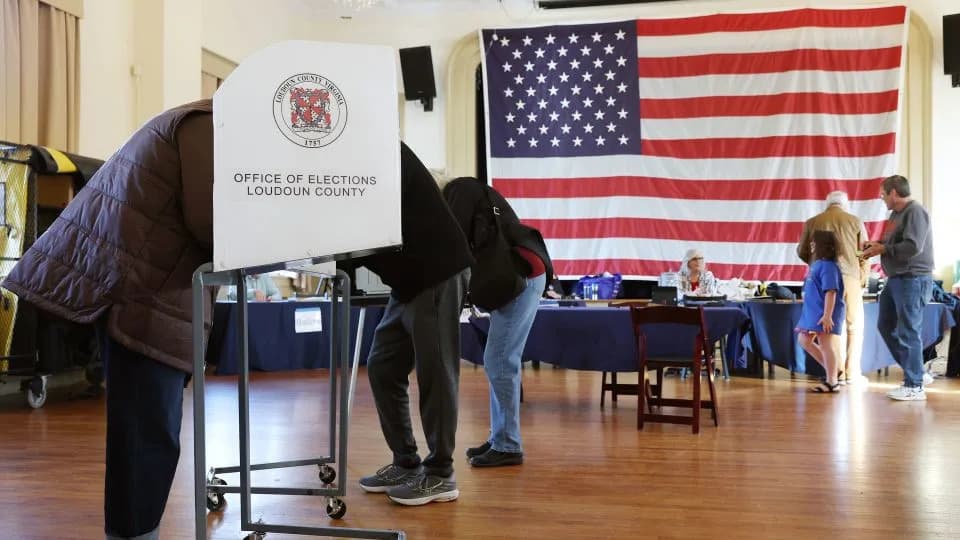
Under the agreement filed in federal court, each of the four states may provide up to 1,000 randomly selected driver’s license records within 90 days for use in a SAVE quality-improvement check. The states also agreed to "make best efforts to support and encourage DHS’s efforts to receive and have full use of state driver’s license records from the National Law Enforcement Telecommunications System" and from state driver’s license agencies.
How SAVE has changed
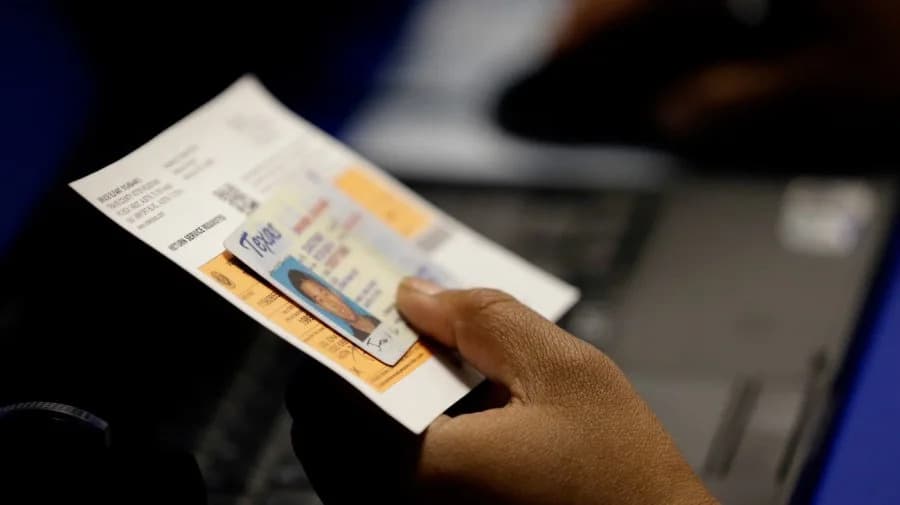
SAVE (Systematic Alien Verification for Entitlements) was originally designed to help officials verify the immigration status of noncitizens applying for certain public benefits. Officials have retooled the system so it can perform bulk searches and, earlier this year, connected it to Social Security data. Federal notices indicate DHS intends to use driver’s license and state identification numbers to confirm identity information.
Why DHS is seeking Nlets
Nlets is a nonprofit network that allows law enforcement agencies to query driver records across state lines. Because connecting to 50 separate state databases can be cumbersome, DHS officials have said a single access point like Nlets would simplify large-scale checks. Member states determine what data they share via Nlets and which agencies may access it.
Supporters and critics
Supporters, including the Trump administration and some Republican state officials, say the changes to SAVE and access to Nlets will help identify potential noncitizen voters and improve election integrity. Iowa Secretary of State Paul Pate said the settlement adds a layer of protection by helping officials ensure only eligible voters remain registered; his office previously used SAVE to review thousands of potential noncitizen registrants and reported confirming hundreds as noncitizens.
"The SAVE program provides us with critical information, but we must also continue to utilize information from other state and federal partners to maintain clean and accurate lists," Paul Pate said in a statement.
Critics argue the changes centralize highly sensitive personal data and risk federal overreach. David Becker, executive director of the Center for Election Innovation & Research, cautioned that DHS is seeking access to full driver records, not just numbers, and questioned the agency’s need for such broad access in an election context.
"They’re not just talking about driver’s license numbers, they’re talking about the driver’s records. What possible reason would DHS have in an election or voting context — or any context whatsoever — for obtaining the ‘full use of state driver’s license records?'" Becker said.
Minnesota Secretary of State Steve Simon warned that combining driver’s license numbers with Social Security numbers and dates of birth creates a "potentially dangerous mix" if future uses and safeguards remain unclear.
Broader legal context
The settlement dovetails with other federal moves: the Justice Department has sought unredacted state voter rolls and sued several states that refused to provide the data. Meanwhile, a group of 12 state secretaries of state criticized the SAVE overhaul in a public comment, saying the revisions could "degrade, not enhance" secure elections and enable the federal capture and distribution of sensitive voter data.
The agreement also asks the court to retain jurisdiction for 20 years to enforce its terms, a provision that could make the current configuration of SAVE more durable across administrations. Still, some analysts believe a future administration could change how the system operates or how states may access it.
Homeland Security and the Department of Justice did not immediately respond to requests for comment. Matthew Tragesser, a spokesperson for U.S. Citizenship and Immigration Services, said the agency is committed to helping states verify voter eligibility and "eliminating barriers to securing the nation’s electoral process."
Reporting: Robin Opsahl. Jonathan Shorman contributed.
Help us improve.