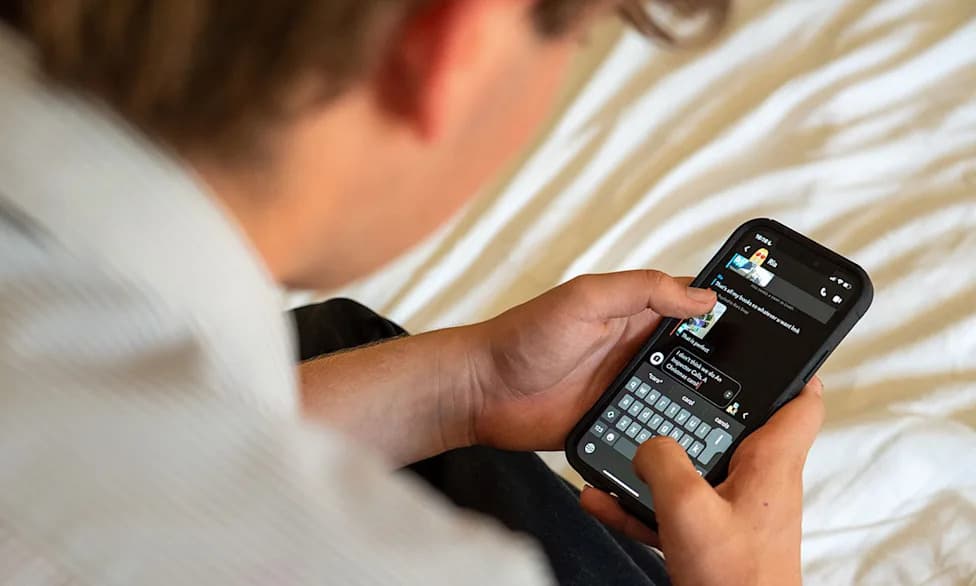
A Pediatrics study of more than 10,000 adolescents found that 12-year-olds who own smartphones had 31% higher odds of depression, 40% higher odds of obesity and 62% higher odds of insufficient sleep. Earlier phone ownership was also linked to greater rates of obesity and sleep problems. The authors recommend a structured framework and dedicated oversight rather than blanket bans. The findings come as Congress debates revisions to the Kids Online Safety Act and related youth-safety legislation.
Owning a Smartphone at 12 Linked to Higher Odds of Depression, Obesity and Sleep Loss, Study Finds
A new analysis of more than 10,000 adolescents finds that 12-year-olds who own smartphones are significantly more likely to experience depression, obesity and insufficient sleep compared with peers who do not own phones. The study, published in the January issue of the journal Pediatrics, reports strong associations between early smartphone ownership and several adverse health outcomes.
Key findings
The researchers observed that, among 12-year-olds, smartphone ownership was associated with:
• 31% higher odds of depression
• 40% higher odds of obesity
• 62% higher odds of insufficient sleep
The analysis also found that earlier ownership of a smartphone correlated with increased rates of obesity and sleep problems. The authors stress these are associations and do not prove that phones directly cause these outcomes, but they do suggest a meaningful link that warrants attention.
“Given our findings, it is evident that a concrete framework is needed to advise on childhood and early adolescent smartphone ownership to support the healthier development of youth,”
The research team emphasized they are not calling for blanket bans on smartphone access for preteens. Instead, they recommend what they describe as “dedicated oversight”—structured guidance and parental or clinical support to help families manage device use and reduce potential harms.
“This is particularly true because there may be various adverse consequences and challenges for certain youths who do not own smartphones, which underscores the need to protect these youths who require smartphones and support families as they embark on this rite of passage,”
Policy context
The findings arrive as lawmakers consider a package of bills on children’s online safety and privacy. The House Energy and Commerce Committee is set to review 19 measures, including proposals to strengthen privacy protections and require app stores to verify user ages.
Central to the debate is the Kids Online Safety Act (KOSA). A previous version passed the Senate last year but did not advance in the House. House leaders have proposed a revised bill that would remove a controversial “duty of care” clause requiring companies to take reasonable steps to prevent harms to minors — a change that has drawn criticism from parent advocates urging lawmakers to restore stronger protections.
Practical takeaways for families
While the study does not mandate policy changes, it supports the need for clearer guidance for parents, schools and clinicians. Practical steps include setting consistent screen-time boundaries, monitoring sleep and mood changes, using parental controls appropriately, and discussing online behavior and safety with children.
Further research will be important to understand which types of smartphone use and what contexts are most strongly linked to negative outcomes. For now, the study offers evidence that early smartphone ownership is associated with measurable risks to preteens’ mental and physical health—and that mindful oversight can be an important part of protecting youth wellbeing.
Help us improve.